Spanien 3
(13. Juni – 8. Juli 2026)
(Geschrieben von Flinke Feder vom 19. Juni bis 12. Juli 2026, redigiert vom grün gefiederten Papageienvogel; dem Ara,)
(Die Red.) Die weitere Reise vom Solatrike durch Spanien von der kurzen Pause bis über die Pyrenäen nach Frankreich. Die spannenden Geschichten sind exklusiv im Reisemagazin «Leise Reisen» zu lesen.
Spain 3
( June 13. – July 8. 2026)
(Written by Power Pen from June 19. to July 12. 2026, edited by the green-feathered parrot bird, the macaw)
(The editors) The Solatrike’s onward journey through Spain, from the short break across the Pyrenees to France. You can read these exciting stories exclusively in the travel magazine “Gravel Travel".

Kurzurlaub in der Schweiz
Flinke Feder (FF): Anstelle von Spanien berichten wir erst vom Kurzaufenthalt in der Schweiz. Warst du erholt angekommen?
David Brandenberger (DB): Ich genoss einen entspannten Flug mit herrlichen Aussichten auf die Pyrenäen und die Alpen. Spätabends kam ich an und am Samstagabend waren alle Geschäfte im Flughafen geschlossen. Ich reiste zurück nach Urdorf, wo ich bei meiner Mutter unterkam. Am Sonntag ergatterte ich mir am Bahnhof in Zürich eine SIM-Karte und die notwendigen Tageskarten für die Bahn. Abends traf ich mich mit meinem Jugendfreund Dominik für einen Austausch. Montags hastete ich von einem Laden zum nächsten, um Ersatzteile zusammen zu tragen. Den Nachmittag verbrachte ich diskutierend mit meinem Freund Beat.
FF: Erhieltest du die Ersatzteile, die du in Portugal vergeblich aus dem Zoll lösen wolltest?
DB: Ein Wunder geschah und das Paket kam rechtzeitig vor meiner Rückkehr zurück. Bei Eva und Walti empfing ich die ersehnten Teile in. Am Mittwoch nahm Urs mich und unsere Mutter schon mit und wir fuhren los nach Scuol im Engadin.
FF: Wieso seid ihr nach Scuol gereist?
DB: Diego, der Sohn von Urs und mein «Patenkind», heiratete dort am Donnerstag in Zivil und am Samstag kirchlich. Darum waren wir am Vortag angereist. Am Donnerstag und Freitag machte ich mit meiner Mutter kleine Ausflüge nach Motta Naluns und Susch, um das Unterengadin zu geniessen. Am Freitagabend wurde von Urs und Margarita ein Grill- und Kennenlernabend organisiert, damit sich die Hochzeitsgäste schon einmal beschnuppern konnten. Bei südamerikanischer Live-Musik wurde getanzt, gegessen, getrunken und geplaudert. (Fotos hier)
FF: Wie war der Hochzeitstag?
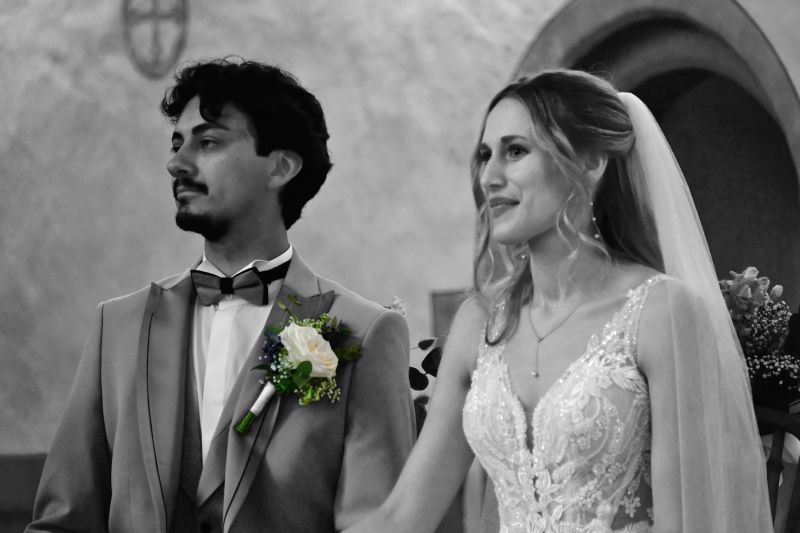
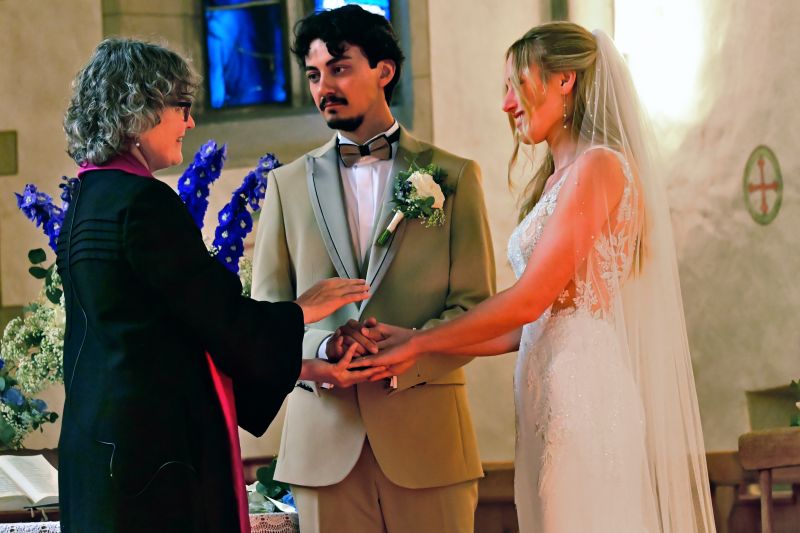
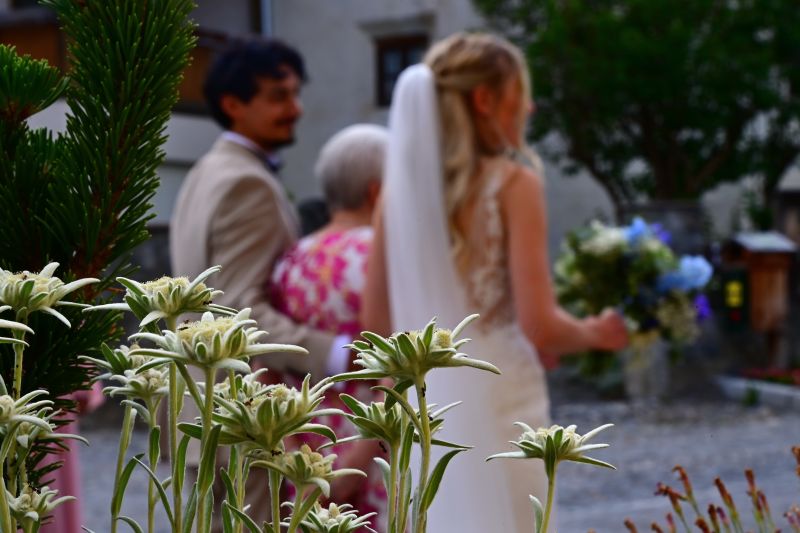


Hochzeit von Diego und Roxy
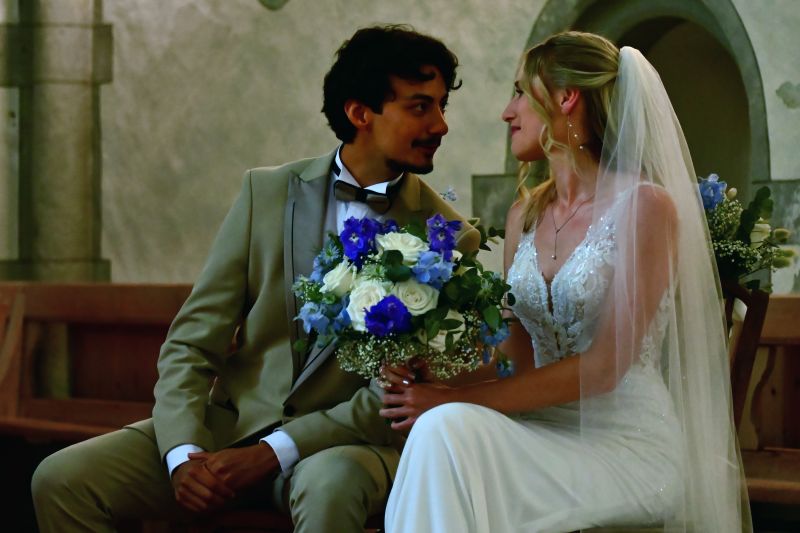
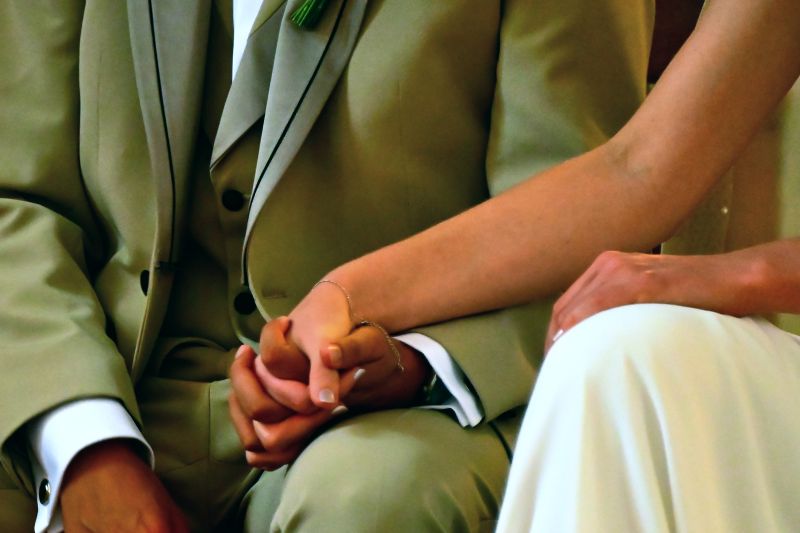
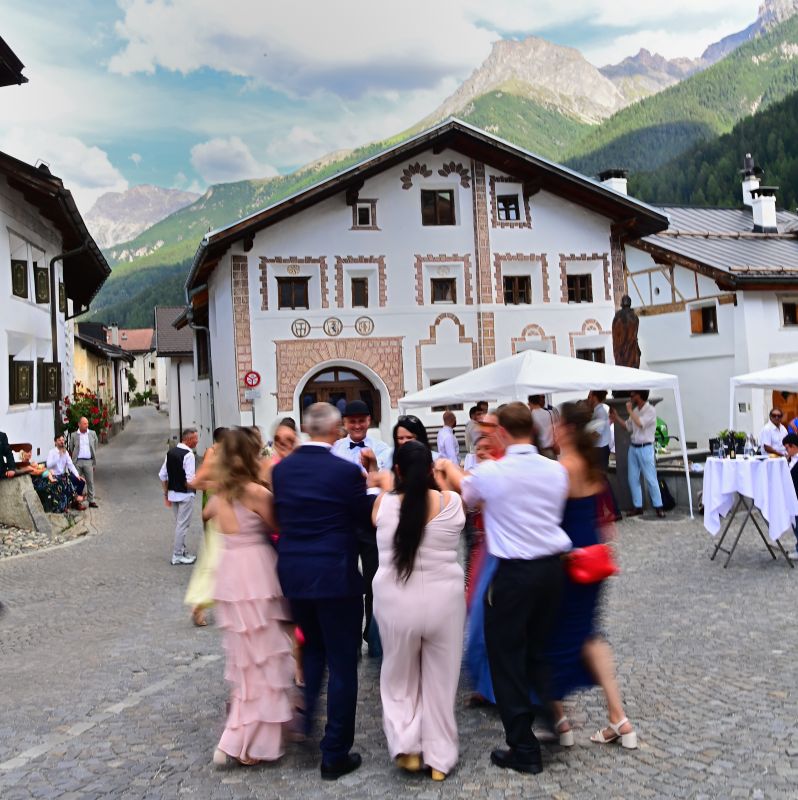
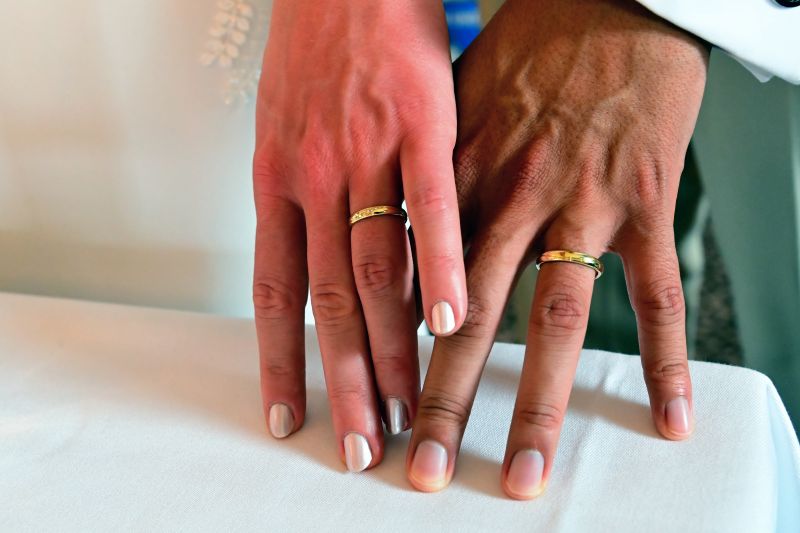
DB: Es herrschte Bilderbuchwetter und einige Wolken sorgten für kühlenden Schatten. Die Trauung fand in der reformierten Kirche statt mit Orgel- und südamerikanischer Musik. Anschliessend wurde der Dorfplatz zum Hexenkessel. Ein Apéro wurde serviert, dem Brautpaar Diego und Roxy gratuliert und heftig das Tanzbein geschwungen zu den Latino-Rhythmen. Margarita blühte als Entertainerin auf und neben den Tanzenden wurden die Hochzeitsfotos geschossen.
FF: Wohin verlegte sich die Feier?
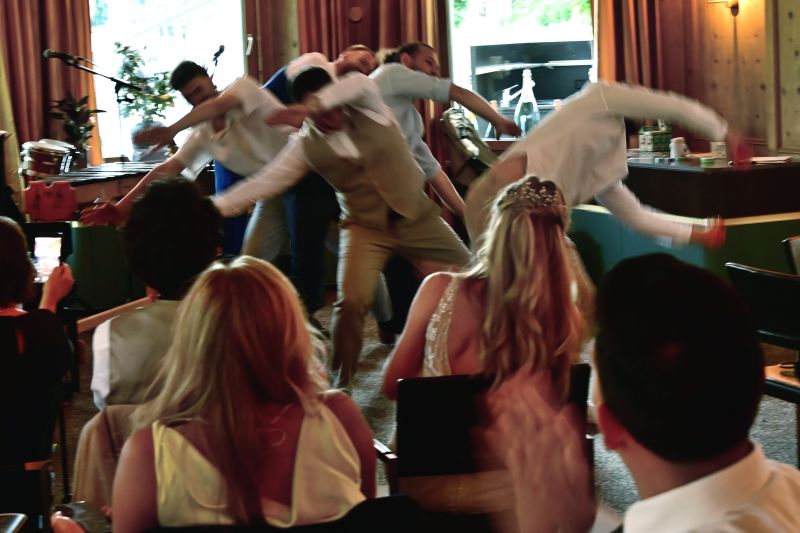
DB: Gegen Abend ins Hotel Belvedere. An hübsch geschmückten Tischen sassen die Gäste für das leckere Abendessen. Einige wenige, aber rührende und herzliche Beiträge lockerten den Abend auf. Südamerikanische Live-Musik begleitete durch das Fest. Nach der obligaten Hochzeitstorte wurde bis in die Puppen gefeiert und zu Musik aus der Konserve getanzt. Frühmorgens löste sich die Feier auf und wir fielen müde ins Bett. Nach einer kurzen Nacht räumten wir die gemietete Wohnung und machten uns über den Flüela wieder auf den Heimweg.
FF: Hast du einige Aufnahmen vom Fest geschossen?
DB: Als nicht offizieller Hochzeitsfotograf hatte ich keinen Stress und versuchte, ein paar «Füller» und Stimmungen einzufangen. Zuletzt landete ich bei 800 Bilder, die ich auf 540 reduzierte. In den nächsten zwei Tagen bearbeitete ich die Fotos im Akkord, erledigte weitere Einkäufe und traf mich mit Alex, den ich vor 9 Jahren in Usbekistan zusammen mit Richard auf der Strasse traf. Wir hatten uns eine Menge zu erzählen, aber der Abend war kurz.
FF: Wurdest du mit allen Arbeiten und Einkäufen rechtzeitig fertig?
DB: Wie durch ein Wunder schachtelte ich sämtliches zusammen, aber von Erholung war keine Rede. Die zehn Tage vergingen wie im Flug und schon sass ich erneut im Flieger zurück nach Madrid. Der Landeanflug war holperig, doch kamen wir heil an. Ich übernachtete in Madrid und fuhr anderntags mit dem Zug und Bus wieder zu meinen Gastgebern nach Requeras de Arriba.
FF: War das Solatrike noch da?
León und Burgos
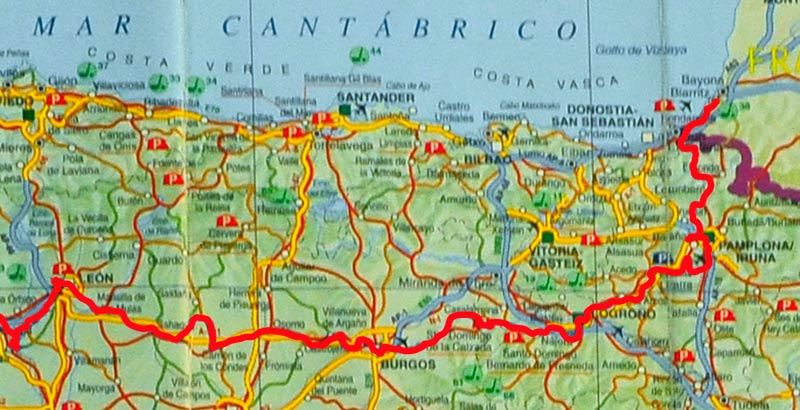
DB: Natürlich! Es wurde wirksam bewacht. Erst räumte ich alle Taschen wieder um und radelte gegen 11 Uhr los. Die gewählte Route führte mich über rumpelige Strassen zwischen den Landwirtschaftsfeldern durch. Um drei Uhr nachmittags kam ich nach 56km in León an und kämpfte mit dem Sicherheitscode an der Türe. Wer hat schon drei Türen zur Auswahl und am Schluss ist die Korrekte immer die Letzte. Ich schmiss das Gepäck in die Jugi und parkte mein Trike im Parkhaus. Den Anhänger liess ich stehen und radelte zum nächsten Bikeshop. Dort fragte ich um Hilfe beim Ersetzen der drei Ritzel. Der Inhaber demontierte kurzerhand die Pedale und montierte die neuen Ritzel hin, die ich mitbrachte. Er brauchte weitaus weniger Zeit, als ich gebraucht hätte. Zurück im Parkhaus wechselte ich alle Fahnen und das Airhorn.
FF: Hast du ausser den Reparaturen Zeit gehabt, um die Stadt anzuschauen?
DB: Dafür reservierte ich den nächsten Tag und ich schlenderte kreuz und quer durch die Altstadt. Zwischendurch erledigte ich meine Wäsche und kombinierte das mit den Sehenswürdigkeiten. Am Sonntag irrte ich zuerst durch León und sah Strassen, die ich nicht plante. Unterwegs traf ich ein französisches Paar auf einem Tandem, die auf dem Weg nach Portugal waren. Ich erwischte per Zufall wieder den Camino de Santiago, dem ich entlang radelte und viele Wanderer entgegen pilgerten. In Sahagun pedalte ich durch das mittelalterliche Tor und abends stellte ich mein Zelt in Carrión de los Condes in den seltsamen Zeltplatz. Der Besitzer erschien erst später, um die Miete einzukassieren.
FF: Welchen Glanzlichtern begegnetest du auf dem Weg?
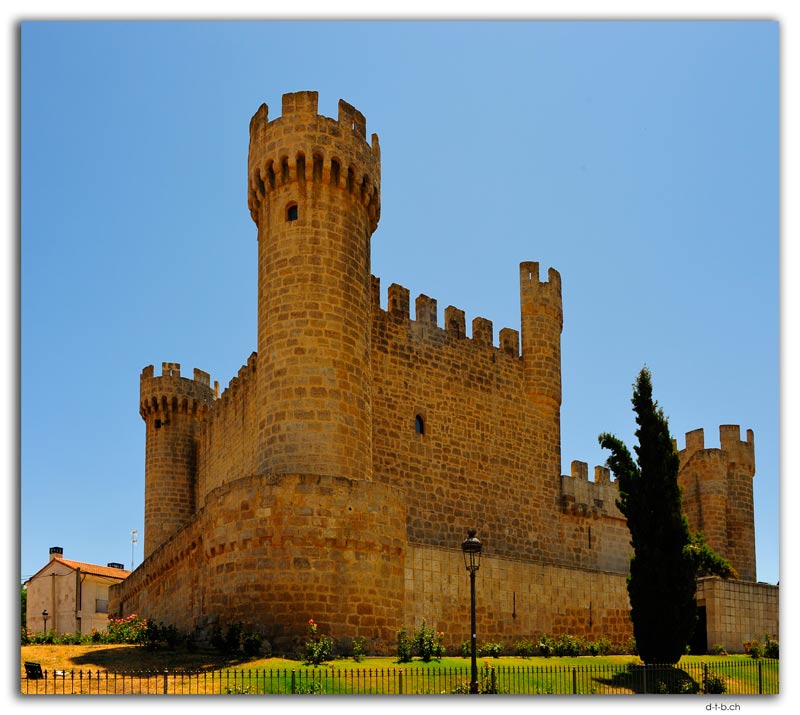
DB: Bis zum Schloss von Olmillos de Sasamón überquerte ich unzählige Hügel und der heftige Gegenwind liess mich fühlen, als wäre alles nur bergauf. Zwei hohe Hügel von 958 m und 943 m mit einem 100 m tieferen Tal dazwischen würzten die Fahrt dazu. In Tardajos erblickte ich die Kirche aus dem 13. Jh. und manövrierte das Solatrike bis nach Burgos.
FF: Wie viele Tage machtest du Sightseeing?
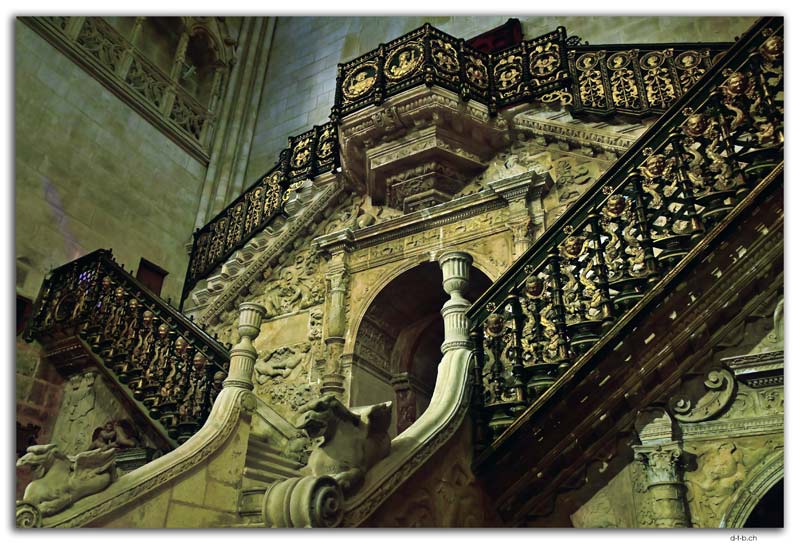
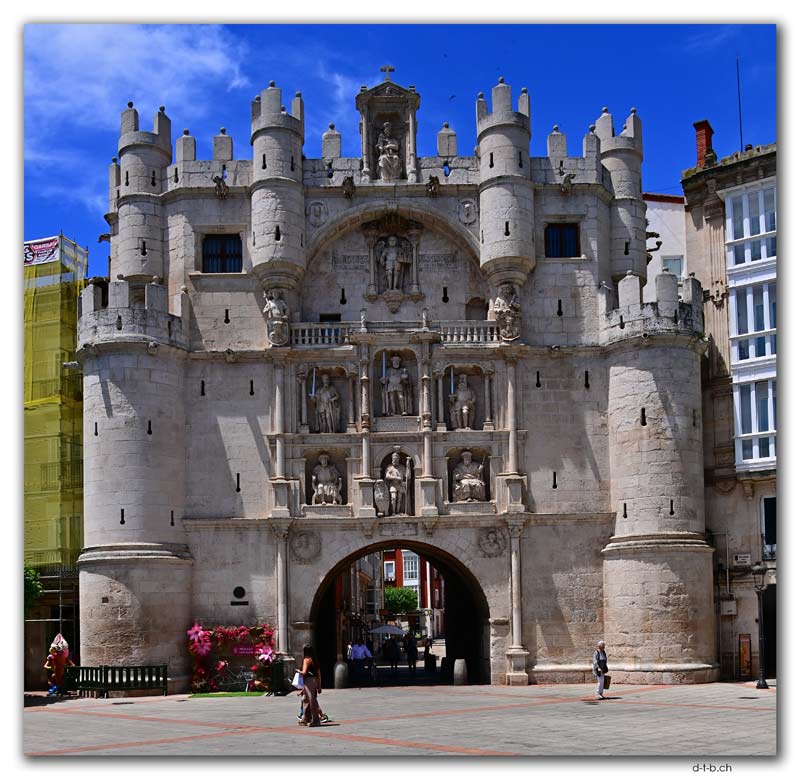
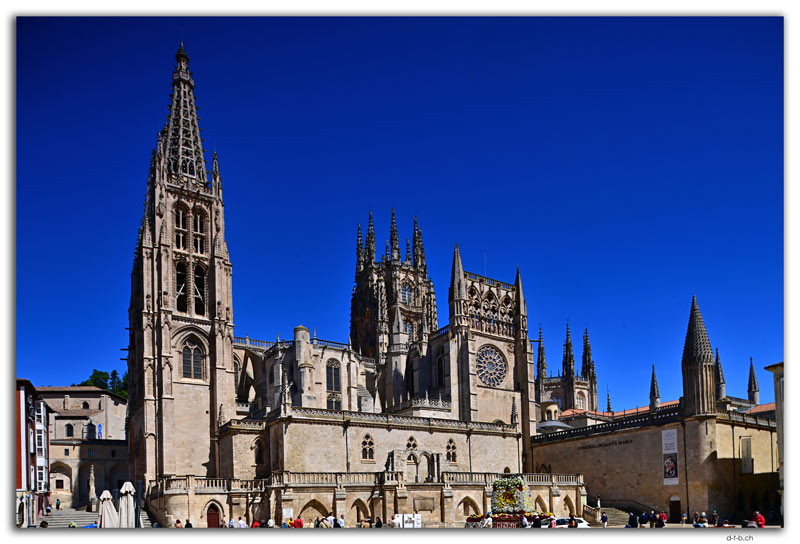
DB: Ich reservierte dazu gleich zwei Tage. Am ersten klapperte ich zwar alle für mich informativen Orte ab, doch das gab mir die Gelegenheit am zweiten Tag mit dem Tilt/Shift-Objektiv einige Fotos zu erstellen. Die Kathedrale ist zweifelsohne der Höhepunkt. Von Gotik und Barock überladene Altäre versperren hier den Blick auf das Wesentliche. Die Zeit war damals wirklich anders. Ich genoss vom Aussichtspunkt den Überblick zur Altstadt und danach mittelalterliche Stadttore und einige Kirchen. Im zeitgenössischen Museum standen Werke aus der Kategorie: «Wie durchgeknallt muss man sein?» und das Burgos-Museum stellt archäologische Funde und Bilder aus der Gegend aus.
FF: Wieso wählst du immer die windigsten Tage zur weiter fahrt aus?


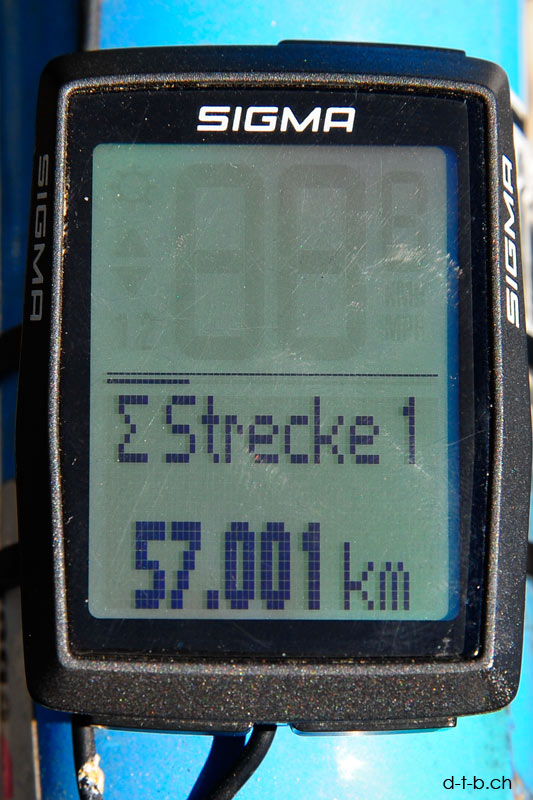
57'000 km
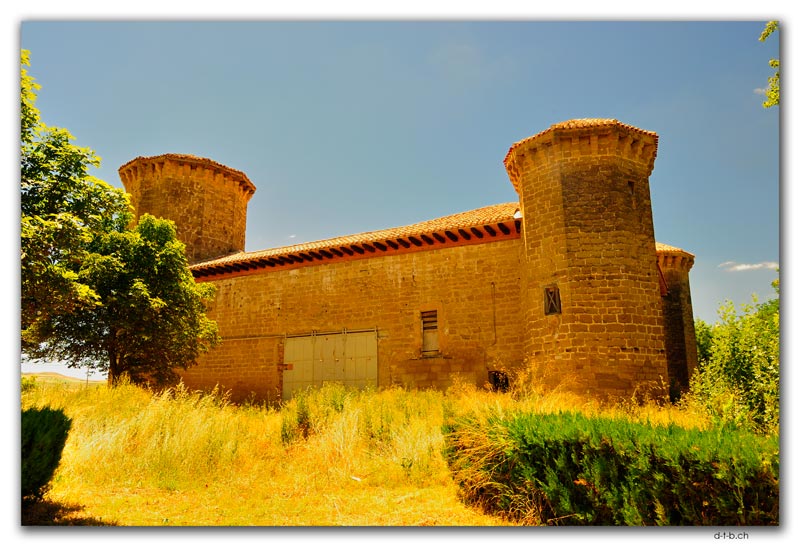
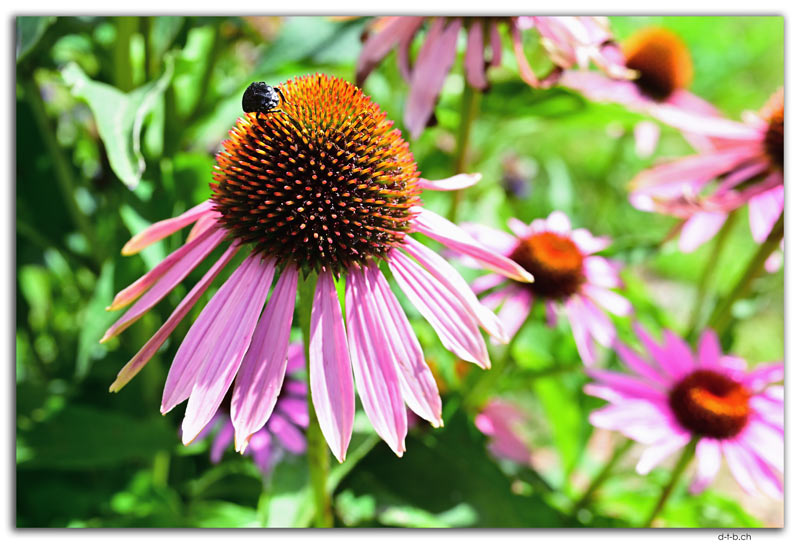
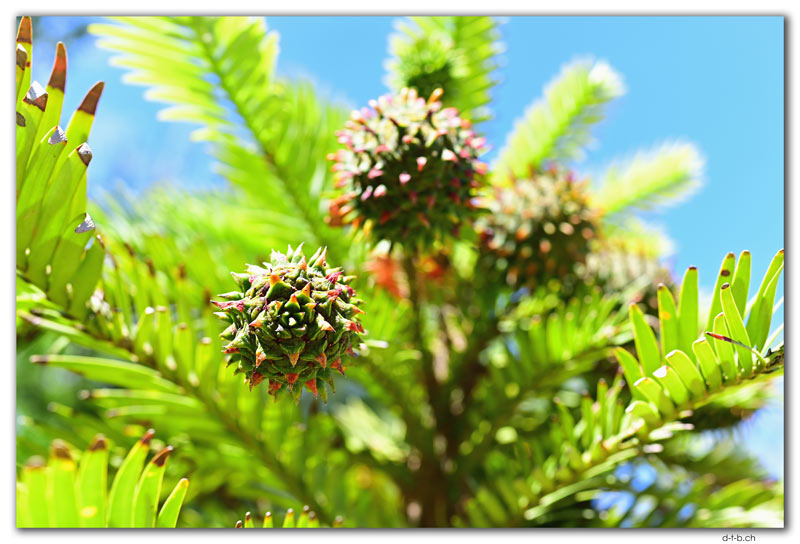
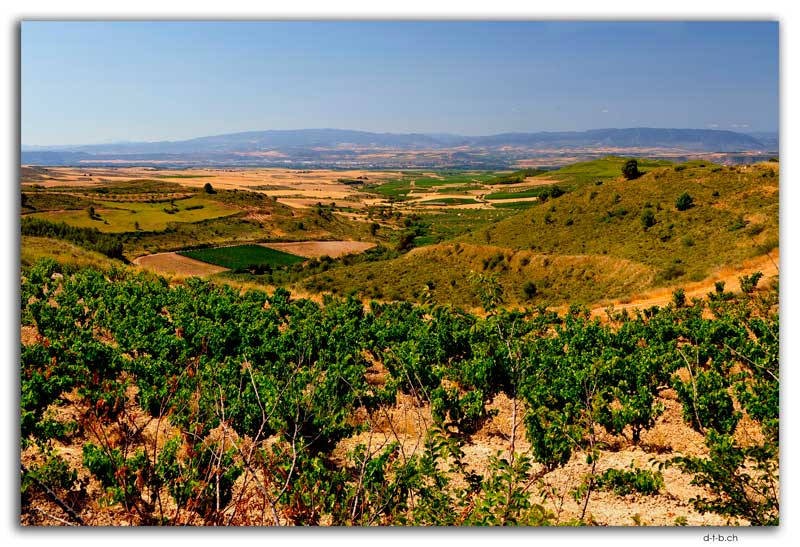
DB: Das frag’ ich mich selber. Nach zwei sonnigen Tagen kraxelte ich gegen den Wind den nächsten Anstieg hoch, bis auf 1150 m. Der Strasse 120 folgend sauste ich ein 6% Gefälle hinunter und bog ab in eine weniger frequentierte Überlandstrasse. Die brachte mich über die Via Romana durch die Weizenfelder und überraschte mich bis nach Santo Domingo mit einer alten Festung und kleinen Dörfern. Am nächsten Tag war die Strecke nicht so lang, darum entschloss ich mich spontan zu einem Besuch im botanischen Garten von La Rioja. Speziell ist die Araukarie, die versteckt in Australien gefunden wurde und seit 200 Mio Jahren existiert. Mein Gastgeber Cesar empfahl mir, über die NO-20 zu fahren, aber als ich abbiegen wollte, stand ein Veloverbotsschild da. Kurzerhand sprachen wier uns ab, trafen uns in der Mitte und erkundeten die Situation. Bei der steilen Kiesstrasse würde ich den Halt verlieren, darum schmuggelten wir uns über die Autovia in die Stadt. Cesar zeigte mir in einem Stadtrundgang die verschiedensten Tapas-Bars und Sehenswürdigkeiten von Logroño.
FF: Entdecktet ihr Gemeinsamkeiten?
DB: Am Morgen, bevor ich loszog, packte er zwei Gitarren aus und wir jammten etwas zusammen. Für dass er bisher nie mit jemandem zusammengespielt hatte, klang es recht erfreulich. Eine hügelige Strecke stand an und mittendrin erreichte ich 57'000 km. In Estella stellte ich das Zelt ins Camping und radelte anderntags weiter über die nächsten Hügel.
FF: Inklusive der Extrahöhenmeter?
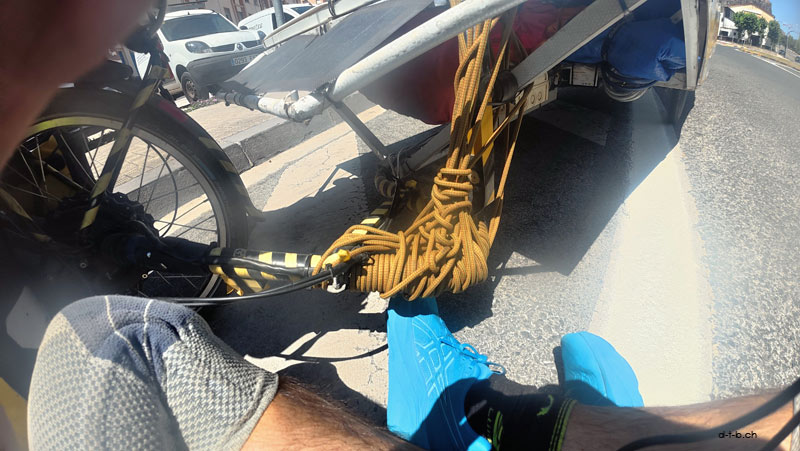
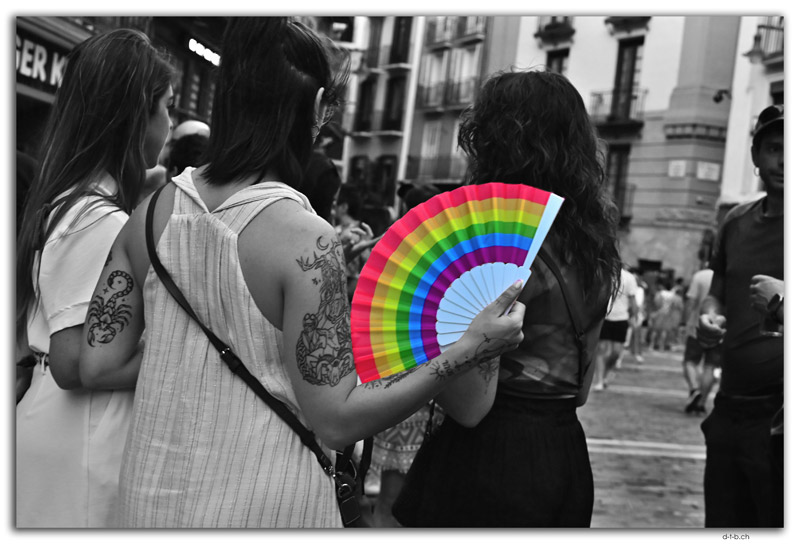
DB: Du musst das erwähnen, um dich darin zu suhlen. Nein, ich war falsch gefahren und eine Strecke hoch, die am Ende recht steil wird. Die wollte ich vermeiden, merkte es zum Glück rechtzeitig und drehte um. Mit diesem Umweg, aber weniger steil erreichte ich Pamplona. Dort empfand sich das Fahren komisch und ich entdeckte, dass die Deichsel gebrochen war. Glücklicherweise wurde sie vom umwickelten Klebeband zusammengehalten. Notdürftig band ich das Seil zur Stabilisation herum und pedalte wie auf Eiern zu meinem Gastgeber in Arzua. Irrintxi ist Baske durch und durch. Einen liebenswerteren Gastgeber konnte ich nicht finden. Abends streiften wir durch die Stadt, in der am nächsten Tage das San-Fermin-Festival startet.
FF: Wolltest du das nicht vermeiden?
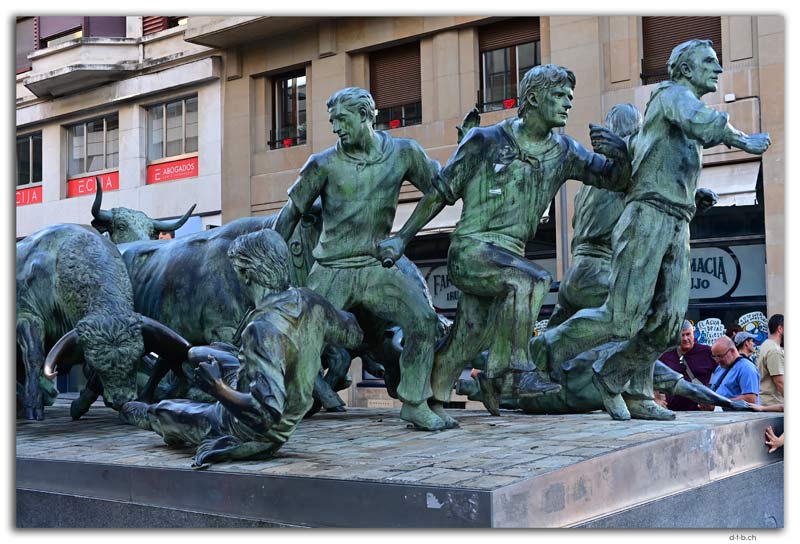
DB: Genau. Normalerweise verpasse ich die berühmten Festivals, wenn ich Ortschaften besuche. Dieses wollte ich aber vermeiden und Bingo – gerate ich prompt dann dahin. Wir liefen die Strecke des Bullenrennens ab und besichtigten weitere nennenswerte Orte.
FF: Was geschah mit der Deichsel?
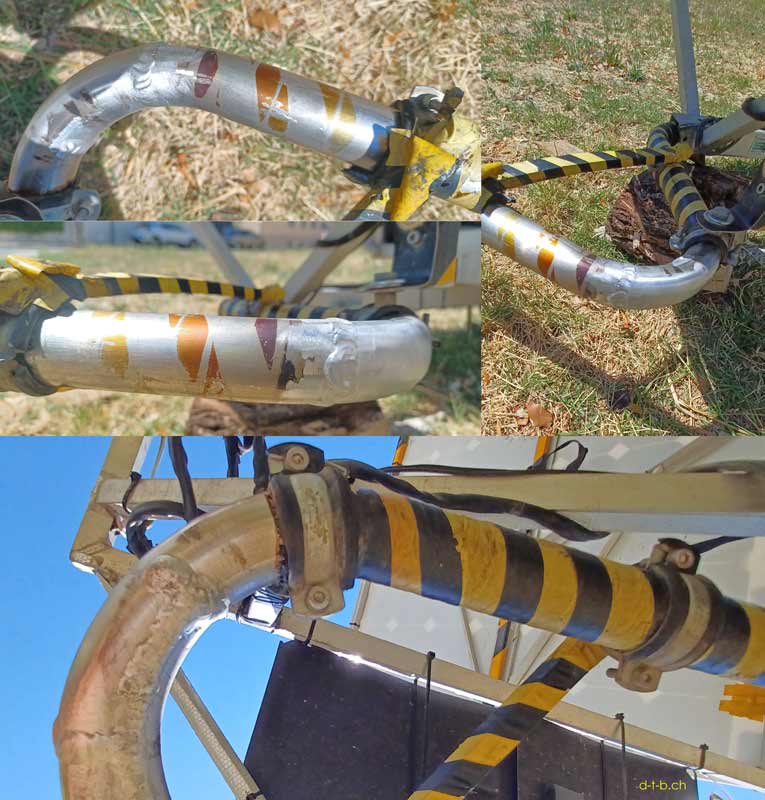


Gebrochene Deichsel in Pamplona
DB: Es war anfangs Ferien, das Festival und eine Vielzahl Geschäfte hatten zu – ein ungünstiger Zeitpunkt. Irrintxi rief eine Firma nach der anderen an, jede Menge waren geschlossen oder schweissten kein Aluminium. Beim gefühlten 15. Mal hatten wir Glück. Kurzerhand packten wir die Deichsel ein und er fuhr mich zu dem Betrieb, obwohl er eigentlich schon auf dem Weg zum jährlichen Fest mit seinen Freunden sein sollte. Bei der Firma schweissten sie den Splitterbruch innert zwei Stunden zusammen und ich fuhr mit dem Bus zurück, um die Deichsel wieder einzubauen. Es war brüllend heiss und zu spät, um mit dem Bus am Abend zum Festival zu fahren. Bullenrennen und Stierkämpfe sind sowieso nicht mein Ding, obwohl das Festival auch ohne dies auskommen würde.
FF: Darum bist du weitergeradelt?
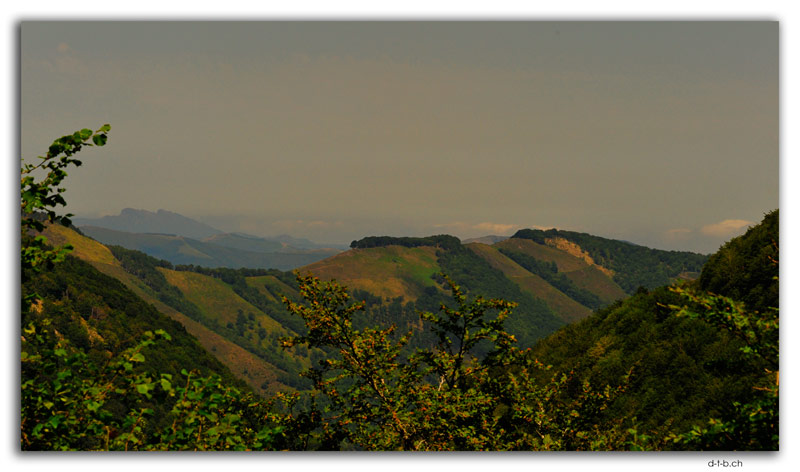
DB: Das Schönwetterfenster musste ich ausnutzen, denn es hiess: rein in die Pyrenäen und steile Aufstiege hoch. Eine weniger stark befahrene Strasse brachte mich hoch mit einigen kurzen, aber steilen Anstiegen. Klar verfuhr ich mich hier ebenfalls ein wenig. Die Strasse verband sich kurz mit der Schnellstrasse, doch zweigte wieder ab, was das Pedalen entspannter machte. Nach dem Pass wand sie sich in Haarnadelkurven den Berg hinunter. Bei alldem der Aufstieg zum Camping in Sunbilla war das Härteste bislang. Komoot berechnete 14%, ich schluckte leer, legte den ersten Gang ein und kurbelte los. Es wurden 16% Steigung und das Steilste, was ich mit meinem Vordermotor bewältigen konnte. Ausgelaugt errichtete ich mein Zelt und gönnte mir eine Verschnaufpause.
FF: Wie kamst du da wieder runter?
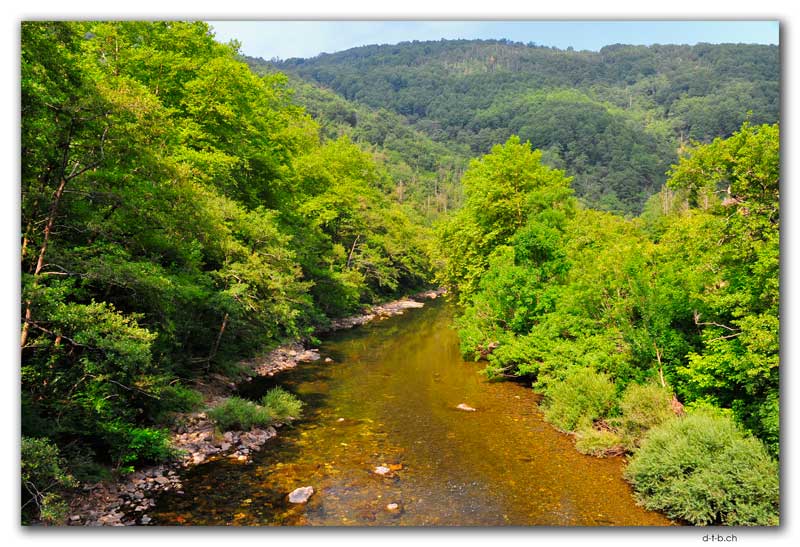
DB: Sehr langsam mit beiden Bremsen am Anschlag, um nicht unkontrolliert loszurollen und im Zaun hängenzubleiben. Der Weg führte am mäandernden Fluss entlang, teilweise auf der Schnellstrasse, teilweise fern vom Verkehr. So gelang ich hinunter und am Ende traf ich in der Gegend der Biskaya in Frankreich ein, meinem 28. Land.
FF: Diese Geschichte und was mit der Deichsel geschah, erzählen wir im nächsten Blog.


Passende Links dazu:


Short stay in Switzerland
Power Pen (PP): Rather than Spain, we’ll start by reporting on your short stay in Switzerland. Did you arrive feeling refreshed?
David Brandenberger (DB): I enjoyed a relaxing flight with magnificent views of the Pyrenees and the Alps. I arrived late in the evening, and on Saturday evening all the shops at the airport were closed. I travelled back to Urdorf, where I stayed with my mum. On Sunday, I managed to get hold of a SIM card and the necessary day tickets for the train at Zurich station. In the evening, I met up with my childhood friend Dominik for a catch-up. On Monday, I rushed from one shop to the next to gather spare parts. I spent the afternoon chatting with my friend Beat.
PP: Did you manage to get the spare parts that you’d tried in vain to clear through customs in Portugal?
DB: A miracle happened and the parcel arrived just in time before I returned. I collected the long-awaited parts from Eva and Walti. On Wednesday, Urs picked me and our mum up and we set off for Scuol in the Engadin.
PP: Why did you go to Scuol?
DB: Diego, Urs’s son and my ‘godson’, was getting married there on Thursday in a civil ceremony and on Saturday in a church wedding. That’s why we’d travelled there the day before. On Thursday and Friday, I went on short trips with my mum to Motta Naluns and Susch to enjoy the Lower Engadine. On Friday evening, Urs and Margarita organised a barbecue and get-together so that the wedding guests could get to know one another. To the sound of live South American music, we danced, ate, drank and chatted. (Photos here)
PP: How was the wedding day?


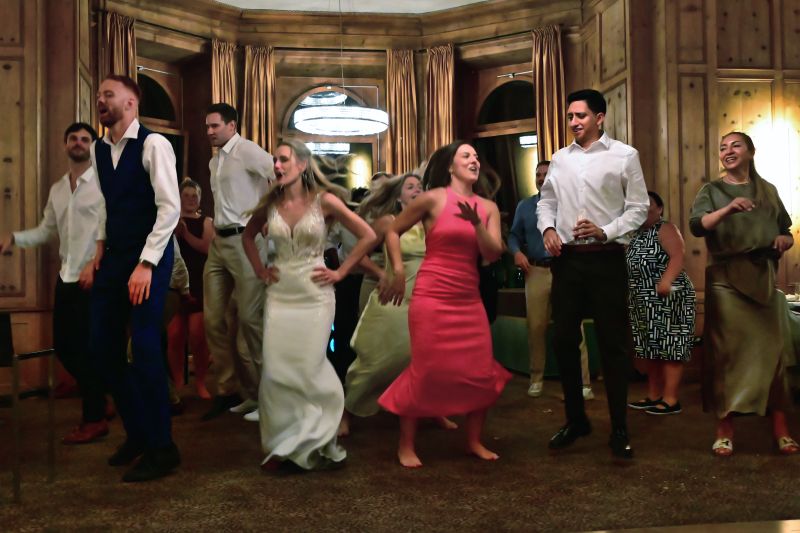
Wedding of Diego and Roxy
DB: The weather was picture-perfect, and a few clouds provided some cooling shade. The wedding ceremony took place in the Reformed Church, accompanied by organ music and South American tunes. Afterwards, the village square turned into a hive of activity. A pre-dinner drink was served, congratulations were offered to the bride and groom, Diego and Roxy, and everyone danced the afternoon away to Latin rhythms. Margarita really came into her own as an entertainer, and wedding photos were taken amongst the dancers.
PP: Where did the celebrations move to?
DB: Towards evening, to the Hotel Belvedere. The guests sat down to a delicious dinner at beautifully decorated tables. A few brief but touching and heartfelt speeches livened up the evening. Live South American music provided the backdrop throughout the festivities. After the obligatory wedding cake, the celebrations went on until the early hours, with everyone dancing to music from the playlist. Early in the morning, the party wound down and we fell into bed, exhausted. After a short night’s sleep, we cleared out the flat we’d rented and set off for home via the Flüela.
PP: Did you take any photos of the party?
DB: As the unofficial wedding photographer, I wasn’t under any pressure and tried to capture a few ‘filler’ shots and the atmosphere. In the end, I ended up with 800 photos, which I whittled down to 540. Over the next two days, I edited the photos at a rapid pace, did some more shopping and met up with Alex, whom I’d bumped into on the street in Uzbekistan nine years ago, along with Richard. We had loads to catch up on, but the evening was short.
PP: Did you manage to finish all your work and shopping in time?
DB: Miraculously, I managed to fit it all in, but there was no question of any rest. The ten days flew by and before I knew it, I was back on the plane to Madrid. The landing was a bit bumpy, but we arrived safely. I spent the night in Madrid and the next day took the train and bus back to my hosts in Requeras de Arriba.
PP: Was the Solatrike still there?
León and Burgos
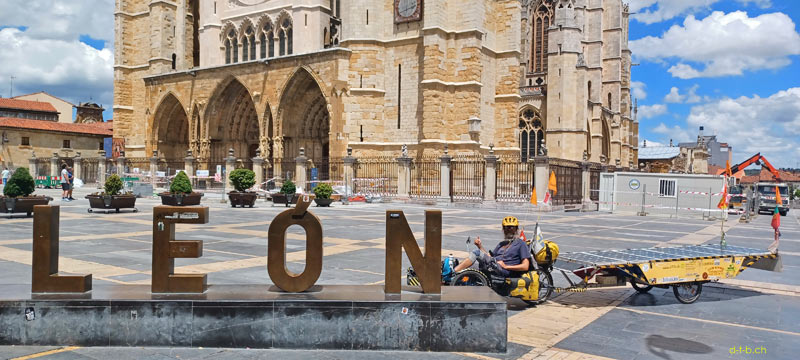
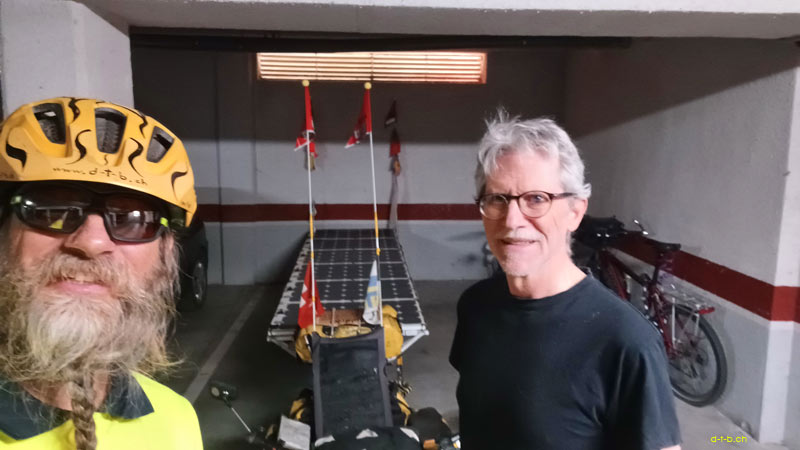
DB: Of course! It had been well guarded. First I rearranged all my bags and set off on my bike at around 11 o’clock. The route I’d chosen took me along bumpy roads through the farmland. At three o’clock in the afternoon, after 56 km, I arrived in León and struggled with the security code on the door. Who ever has three doors to choose from, and in the end the right one is always the last one? I threw my luggage into the youth hostel and parked my trike in the car park. I left the trailer behind and cycled to the nearest bike shop. There, I asked for help replacing the three sprockets. The owner promptly removed the pedals and fitted the new sprockets I’d brought with me. It took him far less time than it would have taken me. Back in the underground car park, I changed all the flags and the air horn.
PP: Apart from the repairs, did you have time to explore the city?
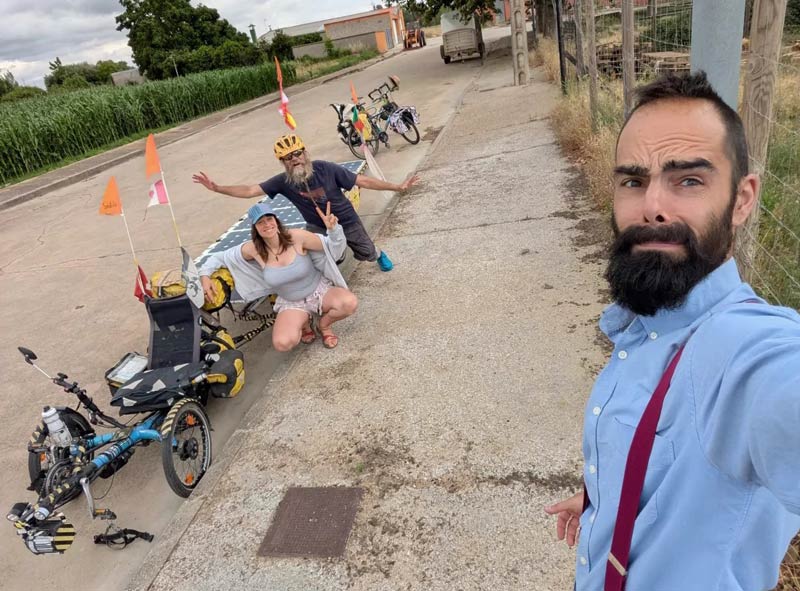
DB: I set aside the next day for that and strolled all over the old town. In between, I did my washing and combined that with visiting the sights. On Sunday, I first wandered through León and came across streets I hadn’t planned to visit. On the way, I met a French couple on a tandem who were on their way to Portugal. By chance, I found myself back on the Camino de Santiago, which I cycled along, passing many pilgrims heading in the opposite direction. In Sahagún, I cycled through the medieval gate and, in the evening, pitched my tent at the rather odd campsite in Carrión de los Condes. The owner only turned up later to collect the fee.
PP: What highlights did you come across along the way?
DB: On the way to Olmillos de Sasamón Castle, I crossed countless hills, and the fierce headwind made it feel as though it was all uphill. Two high hills, 958 m and 943 m, with a valley 100 m lower in between, added some spice to the ride. In Tardajos, I caught sight of the 13th-century church and manoeuvred the Solatrike all the way to Burgos.
PP: How many days did you spend sightseeing?
DB: I set aside two whole days for it. Although I ticked off all the places of interest to me on the first day, that gave me the chance to take some photos with my tilt-shift lens on the second day. The cathedral is undoubtedly the highlight. Altars overloaded with Gothic and Baroque ornamentation obscure the view of what’s really important here. Times were truly different back then. From the viewpoint, I enjoyed the panoramic view of the old town, followed by the medieval city gates and a few churches. The contemporary museum housed works in the category: ‘How mad do you have to be?’, whilst the Burgos Museum exhibits archaeological finds and paintings from the region.
PP: Why do you always choose the windiest days to carry on your journey?


57.000 km
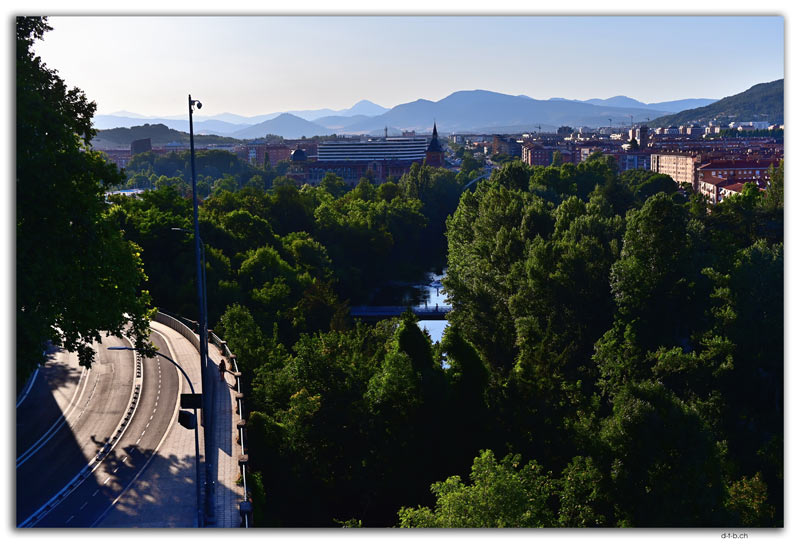
DB: I ask myself the same thing. After two sunny days, I scrambled up the next climb against the wind, reaching 1,150 metres. Following the A120, I whizzed down a 6 per cent gradient and turned off onto a less-travelled country road. This took me along the Via Romana through the wheat fields and, all the way to Santo Domingo, surprised me with an old fortress and small villages. The next day’s route wasn’t that long, so I decided on the spur of the moment to visit the botanical garden of La Rioja. A particular highlight is the araucaria, which was discovered hidden away in Australia and has been around for 200 million years. My host, Cesar, recommended I take the NO-20, but when I went to turn off, there was a ‘no cycling’ sign there. Without further ado, we agreed to meet halfway and assess the situation. I’d have lost my grip on the steep gravel road, so we sneaked into the city via the motorway. Cesar took me on a city tour, showing me the various tapas bars and sights of Logroño.
PP: Did you discover any similarities?
DB: That morning, before I set off, he unpacked two guitars and we had a bit of a jam session together. Considering he’d never played with anyone before, it sounded quite enjoyable. A hilly stretch lay ahead, and right in the middle of it I reached 57,000 km. In Estella, I pitched my tent at the campsite and cycled on the next day over the next set of hills.
PP: Including the extra metres of elevation gain?
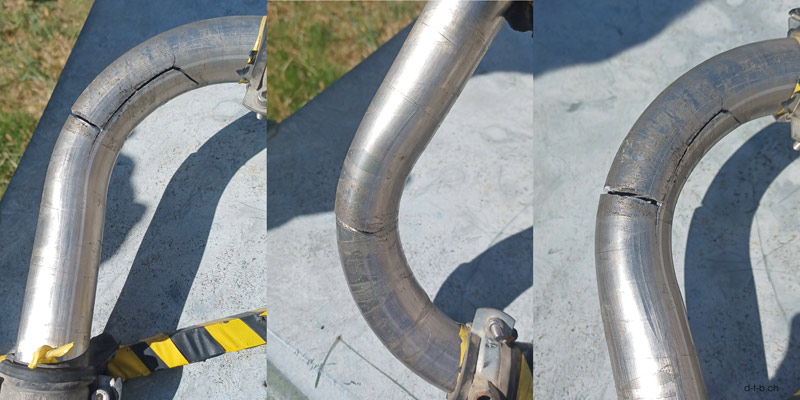
DB: You just have to mention that to gloat about it. No, I’d taken a wrong turn and ended up on a climb that gets quite steep towards the end. I wanted to avoid that, but luckily realised in time and turned back. Taking this detour – which was less steep – I reached Pamplona. There, the ride felt odd and I discovered that the drawbar had cracked. Fortunately, it was held together by the tape wrapped round it. I hastily tied the rope round it for stability and pedalled as if on eggshells to my host in Arzua. Irrintxi is Basque through and through. I couldn’t have found a more charming host. In the evening, we wandered through the town, where the San Fermín Festival was due to start the following day.
PP: Didn’t you want to avoid that?
DB: Exactly. I usually miss the famous festivals when I visit towns. But I wanted to avoid that this time, and bingo – I ended up there straight away. We walked the route of the bull run and visited other places of interest.
PP: What happened to the drawbar?
Broken drawbar in Pamplona
DB: It was the start of the holidays, the festival was on and loads of shops were closed – a bad time to be there. Irrintxi rang one company after another; most of them were closed or didn’t weld aluminium. By what felt like the 15th attempt, we got lucky. Without further ado, we packed up the drawbar and he drove me to the workshop, even though he was actually supposed to be on his way to the annual party with his friends. At the workshop, they welded the cracked section back together within two hours, and I took the bus back to refit the drawbar. It was sweltering and too late to catch the evening bus to the festival. Bull runs and bullfights aren’t really my thing anyway, although the festival would manage just fine without them.
PP: Is that why you carried on cycling?
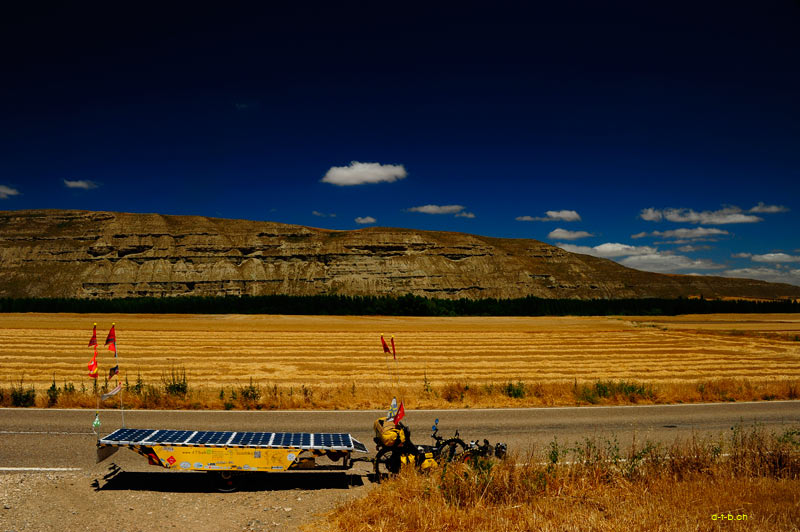
DB: I had to make the most of the spell of good weather, because the plan was: head into the Pyrenees and tackle some steep climbs. A less busy road took me up, with a few short but steep ascents. Of course, I got a bit lost here too. The road joined the main road briefly, but branched off again, which made the cycling more relaxed. After the pass, it wound its way down the mountain in hairpin bends. Of all of it, the climb to the campsite in Sunbilla was the toughest so far. Komoot calculated a 14 per cent gradient; I swallowed hard, shifted into first gear and started climbing. The gradient reached 16 per cent – the steepest I could manage with my front-mounted motor. Exhausted, I pitched my tent and allowed myself a breather.
PP: How did you get back down from there?
DB: Very slowly, with both brakes clamped down, so as not to roll away uncontrollably and get stuck in the fence. The route followed the meandering river, partly along the motorway and partly away from the traffic. That’s how I made my way down, and eventually I arrived in the Bay of Biscay region of France – my 28th country.
PP: We’ll tell you this story – and what happened to the drawbar – in the next blog.


Word-Document for download and print

PDF-Document for download and print
Related Links:


Write a comment