Spanien 1
(2. – 25. März 2026)
(Geschrieben von Flinke Feder vom 18. – 28. März 2026, redigiert vom grün gefiederten Papageienvogel; dem Ara,)
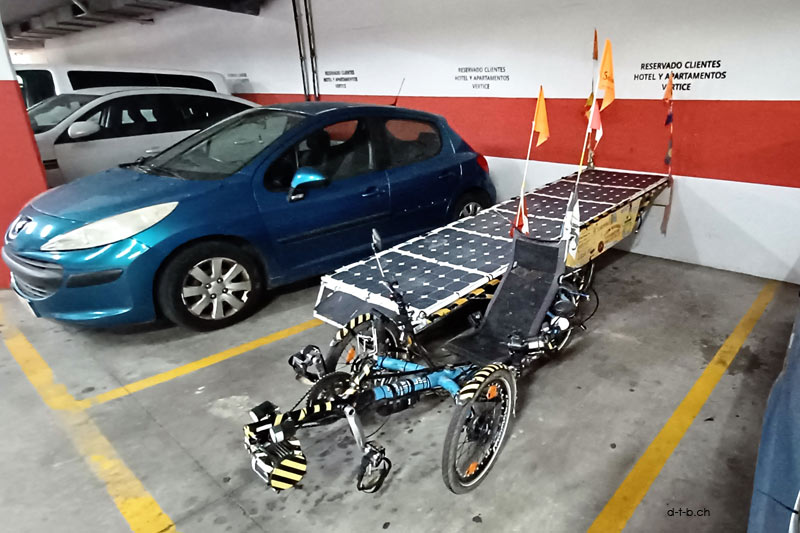
(Die Red.) Wir reisen mit dem Solatrike wieder zurück nach Europa und durchqueren Südspanien bis Portugal. Die Abenteuer sind exklusiv im Reisemagazin «Leise Reisen» zu lesen.
Spain 1
(March 2. – 25. 2026)
(Written by Power Pen from March 18 to 28. 2026, edited by the green-feathered parrot bird, the macaw)
(The editors) We’re heading back to Europe in the Solatrike, travelling through southern Spain to Portugal. You can read all about our adventures exclusively in the travel magazine “Gravel Travel".
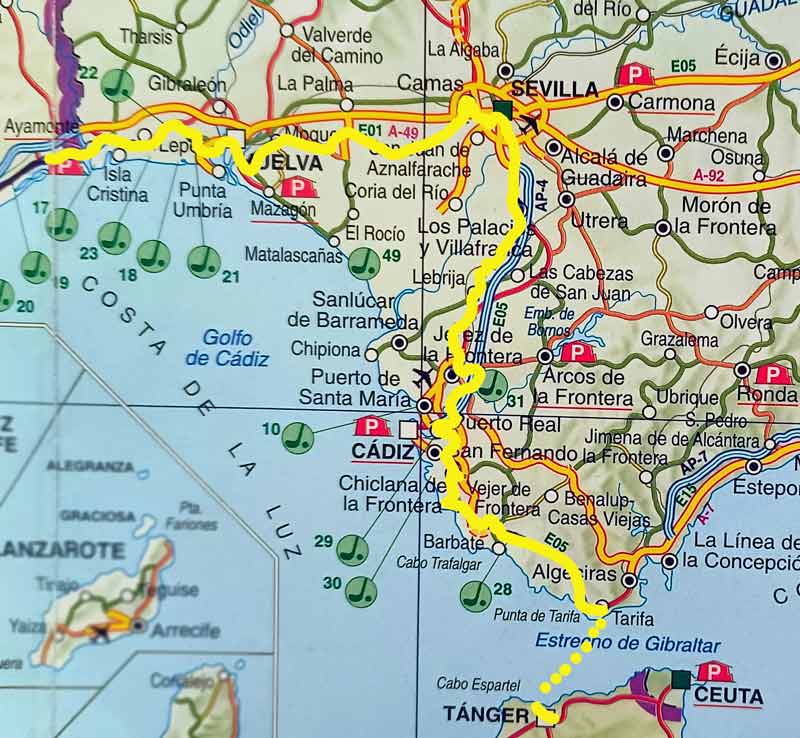

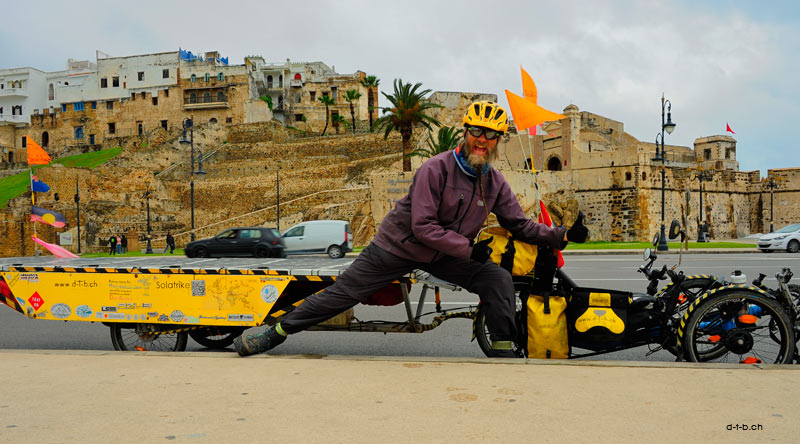
Fazit zu Marokko
Flinke Feder (FF): Was ist dein Fazit zu Marokko?
David Brandenberger (DB): Die Landschaften sind abwechslungsreich und faszinierend. Grün und Landwirtschaft im Norden und karge Steppen hinter dem Atlas. Das Gebirge habe ich nur knapp angeschnitten, dennoch waren diese Einblicke imponierend. Zum Essen kann ich als Vegetarier wenig sagen, die Vegi-Tajine erlebte ich in verschiedensten Variationen und waren immer lecker – nur ist das die einzige vegetarische Option. Die Leute waren südlich des Atlas entspannter und freundlicher. Das grösste Problem waren die Kinder, in einem patriarchalischen System vor allem die Knaben. Frech, aggressiv, fordernd und überheblich kamen sie mir entgegen. Einiges wurde dazu vom Solatrike gestohlen, was nicht angeschraubt war.
FF: Was war das?
DB: Nach dem Diebstahl in Larache fehlte ein kleines Solarpanel. Später klauten die Kinder beide solaren Rücklichter, zwei marokkanische Fahnen und andere Flaggen von den Fahnenmasten, inklusive des BHs, Smiley Aufkleber und der «Kühlerfigur». Der zweite Negativpunkt waren die Strassenzustände. Übersät mit Schlaglöchern und Flickstellen, dabei plant die Regierung neue Autobahnen in Milliardenbeträgen zu bauen. Die soll zuerst die vorhandenen lokalen Strassen reparieren mit dem Geld.
FF: Hast du dich nochmals mit Youssef in Tangier getroffen?
DB: Leider fehlte ihm die Zeit und ich verbrachte einige Tage damit, Arbeiten nachzuholen. Mein Filmprogramm braucht ewig, bis die Filme zwischengespeichert sind.
FF: Welche Probleme gab es bei der Fähre?

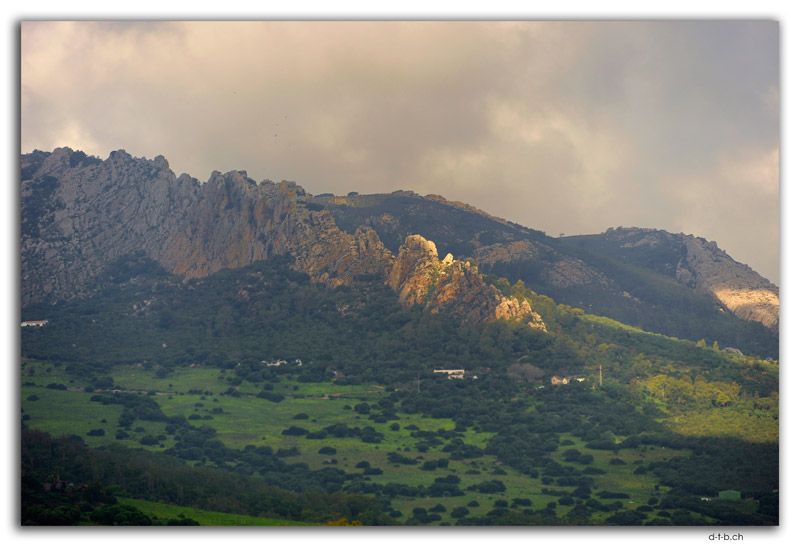


Startprobleme in Spanien
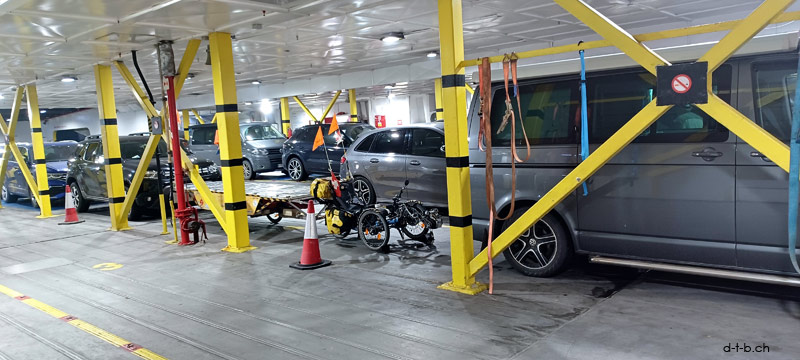
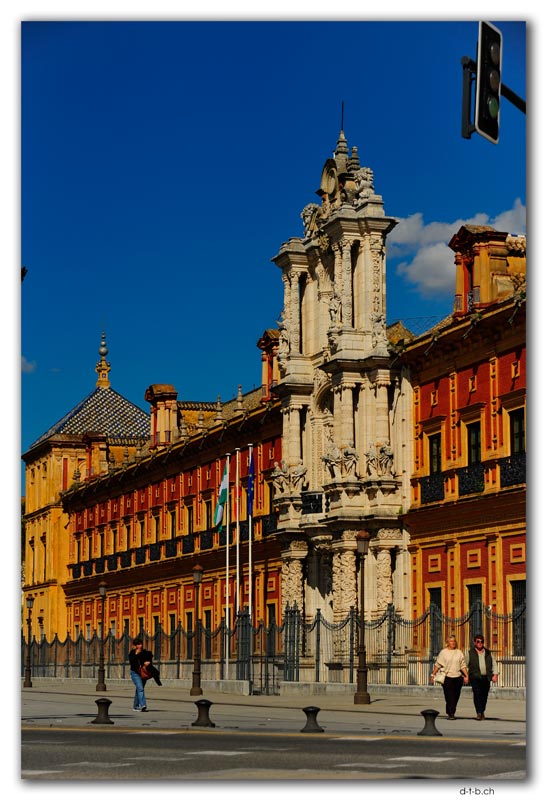
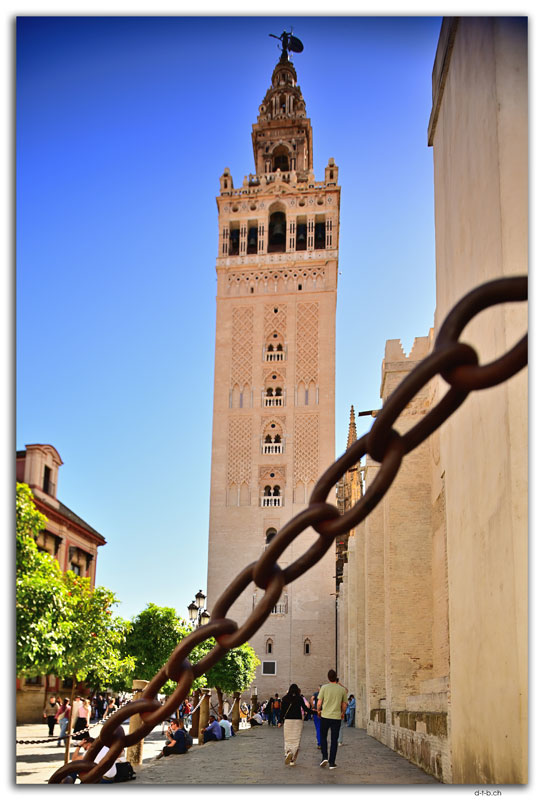
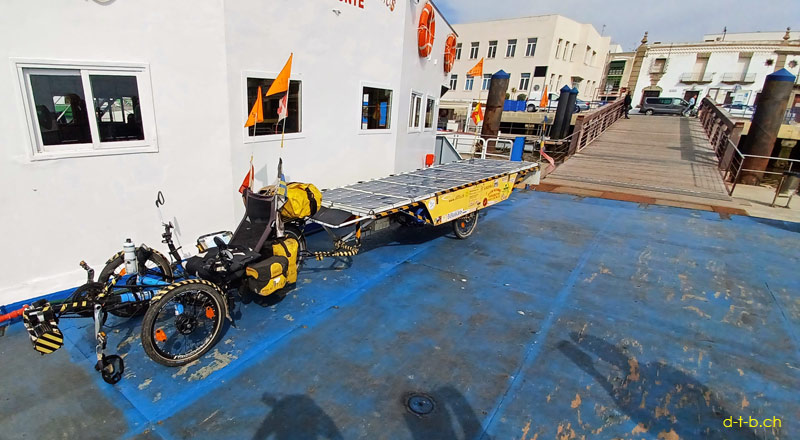
DB: Wie üblich löste ich ein Ticket für mich und ein Velo. Als ich zum Fährboot radelte, meinten die aber, dass ich für den Anhänger eine zusätzliche Fahrkarte brauche, und verlangten den Preis für zwei Autos dafür. In der Fähre wollten die Arbeiter mein Solatrike auf der Seite hineinquetschen. Normalerweise schaffe ich das, doch wenn ich jetzt für zwei Autos bezahlte, dann beanspruche ich auch den Platz hierfür. Die Überfahrt war diesmal entspannter und kürzer. Ich lernte ein Britisch-Kanadisches Mountainbiker-Paar kennen, die nach einem Rennen im Atlasgebirge auf der Rückreise waren.
FF: Wie kamst du in Tarifa, Spanien an?
DB: Ich holte den Schlüssel beim Büro ab, radelte zur Unterkunft, stellte mein Solatrike in die Garage und das Gepäck ins Apartment. Am nächsten Tag erledigte ich einen Rundgang durch die Altstadt und war damit nach einem halben Tag fertig. Die südlichste Stelle von Europa war leider abgesperrt und ein heftiger Wind wehte. Am Nachmittag hatte ich vor meine Kleider zu waschen. Ich wählte ein 30°C Programm, doch staunte, als es aus dem Spühlmittelfach herausdampfte. «Da stimmt was nicht,» vermutete ich und drückte auf den Pausenknopf. Kurz darauf knallte es und die Wasserleitung vom Boiler fing an zu lecken. Ich schnappte mir den Eimer und Lappen, bloss es hörte nicht auf. Nachdem ich einen ganzen Eimer voll hatte, kappte ich erst den Boiler vom Strom und folglich drehte ich einen Hahn zu. Die herbeigerufenen Hauswarte fanden keine schnelle Lösung. Ich solle den Haupthahn der Wasserzufuhr zudrehen. Es war Wochenende und ich hatte für die nächsten Tage kein Wasser. Die feuchte Wäsche hing ich zum Trocknen auf.
FF: Trocknete die bis du Weiterradeltest?
DB: Nein, darum bin ich zur Wäscherei habe sie dort gewaschen und getrocknet. Am Sonntag fuhr ich mit dem Bus über den Berg nach Algeciras zurück. Bei meinem Freund Samuel lagerte ich meine Drohne und diese holte ich ab. Wir tauschten Geschichten aus und dann schnappte ich den Bus in umgekehrter Richtung.
FF: Wann bist du losgeradelt?
DB: Am Montag 9. März pedalte ich wieder über die Strassen und über die Hügel von Südspanien. Bei El Palmar de Vejer versuchte ich in einer Jugi einen Platz zu finden, doch eine war geschlossen und bei der nächsten nur ein Gast anzutreffen. Sie vermittelte mir die Telefonnummer des Gastwirtes und er versicherte mir, dass ich das Solatrike in den Hof stellen könne. In der Zwischenzeit kam aber einer mit einem riesigen Van, den er in den Hof parkte, da hätte ich keinen Platz mehr. Darum buchte ich noch nicht und ich verzog mich wieder, denn meine Blase drückte schon seit Stunden.
FF: Wo fandest du Unterschlupf?


Überland nach Sevilla
DB: Einige Kilometer weiter am Rande von Conil de la Frontera buchte ich ein Zimmer in einem seltsamen Hotel. Da läuft alles online, selbst das Einchecken. Nur bereitete das Mühe und die Webseite blieb stecken. Ich rief eine Nummer an und dort half man mir weiter. So erhielt ich Zugang zum Zimmer und hatte nicht obendrein virtuell schlafen müssen.
FF: Was hast du am nächsten Tag verpasst?
DB: In Chiclana de la Frontera kurvte ich in der Altstadt herum, doch keine Strasse leitete zum archäologischen Museum. Die geplante Strasse war Einbahn und alle anderen führten irgendwohin. In Puerto Real erwischte ich ebenso eine falsche Abzweigung und holperte über Kopfsteinpflaster durch die Altstadt, damit ich nach diesem Umweg zum Hotel gelangte. Dort erhielt ich ein Zimmer mit Blick zum Parkplatz, wo das Solatrike stand.
FF: Hast du Mühe, die richtige Strasse zu finden?
DB: Frühmorgens erwischte ich beim Kreisel die falsche Ausfahrt, später stand ich unvermittelt vor einer Baustelle und Komoot schickte mich nachträglich über einen Feldweg. Darum waren Planänderungen mehrfach am Tag von Nöten. Ich durchquerte Jerez de la Frontera und stellte ausserhalb der Stadt mein Solatrike neben ein Feld für die Mittagspause. Da kam Andreas, ein Freiburger E-Biker angeradelt, der nach einem Sprachkurs in Südspanien nach Hause unterwegs ist. Über einige Hügel erreichte ich El Cuervo de Sevilla, wo ich eine Verbesserung beim Vordermotor basteln wollte, es aber nicht klappte.
FF: Wie war die Strecke nach Sevilla?
DB: Die führte erst erheblich flach über Land durch Landwirtschaftszonen. In Dos Hermanas ergatterte ich mir in einem Bike Shop Kettenöl und einen neuen Bidon, da der Alte Algen bildete. Einige Velowege brachten mich nach Sevilla und weiter in die Aussenbezirke, die etwas höher liegen. In diesem Strassengewirr verfuhr ich mich regelmässig, doch um vier Uhr kam ich bei der Unterkunft an, wo ich das Solatrike in die Garage stellte.
FF: Was hast du in Sevilla unternommen?



Sevilla
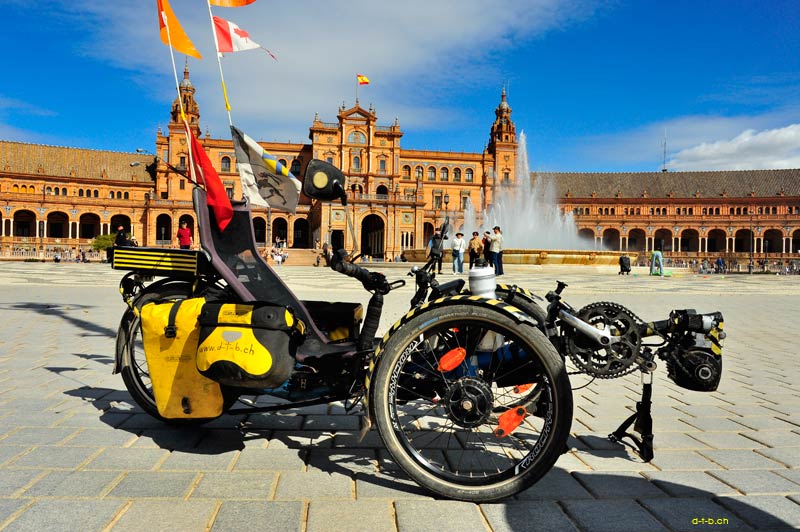
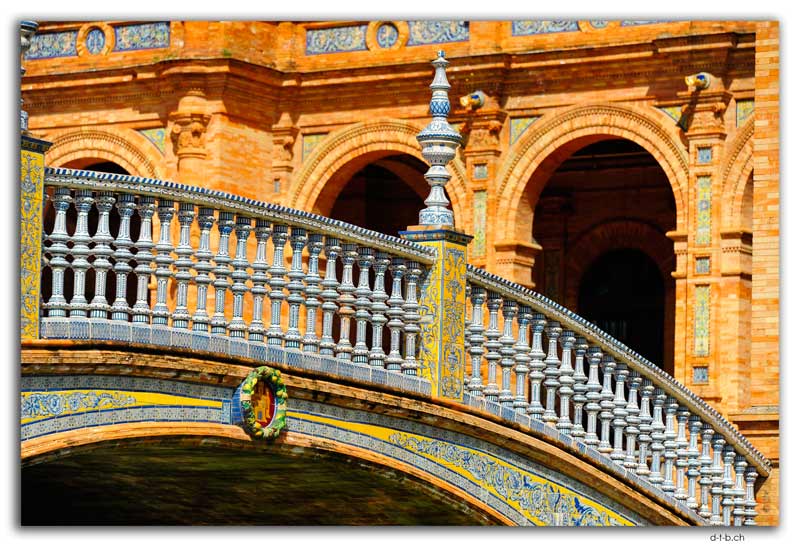
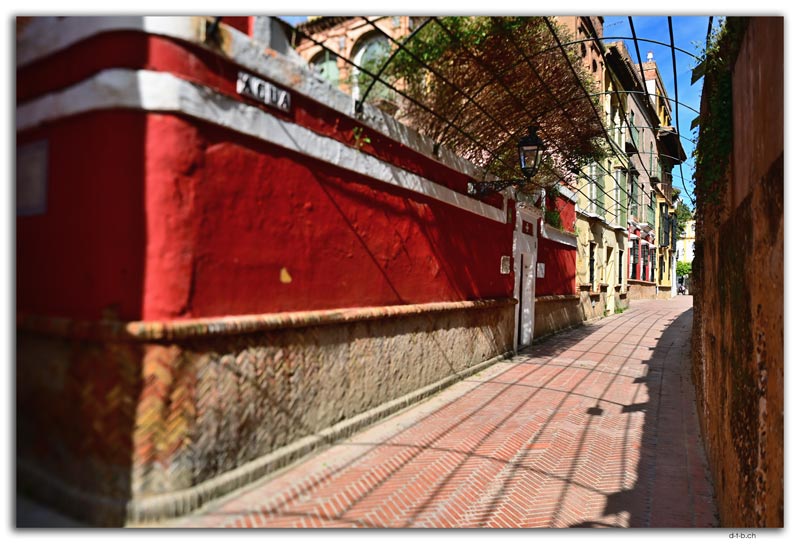
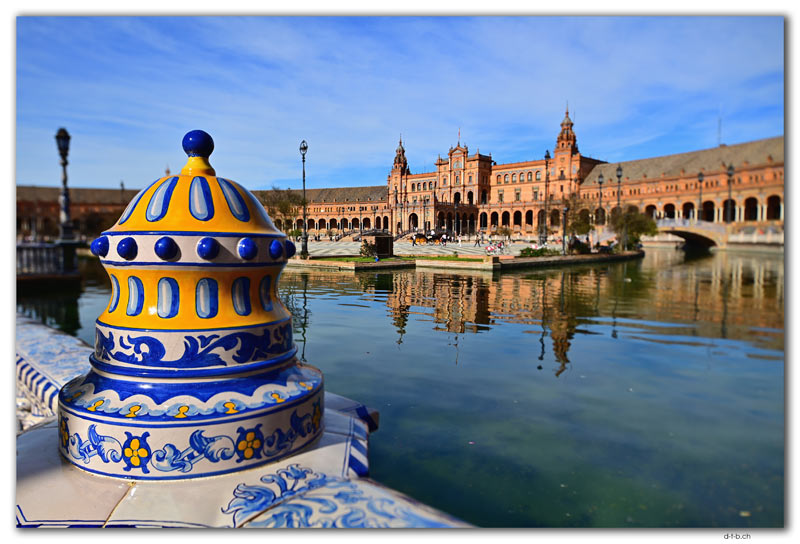
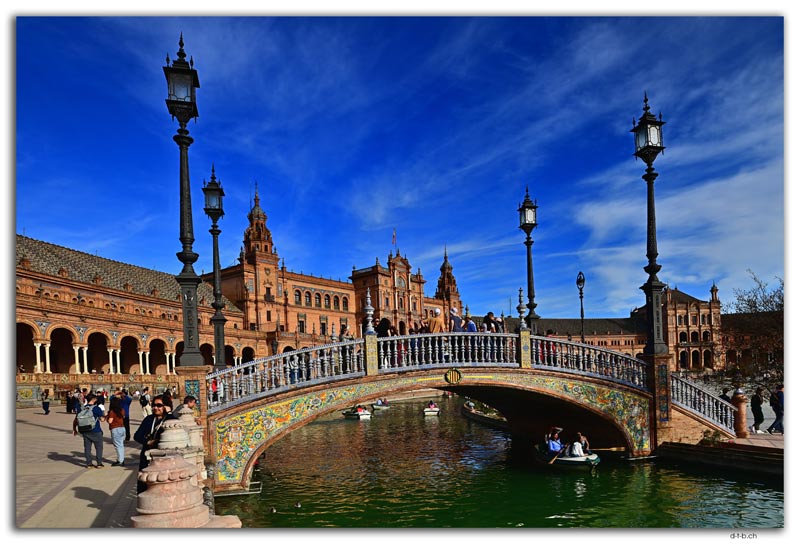
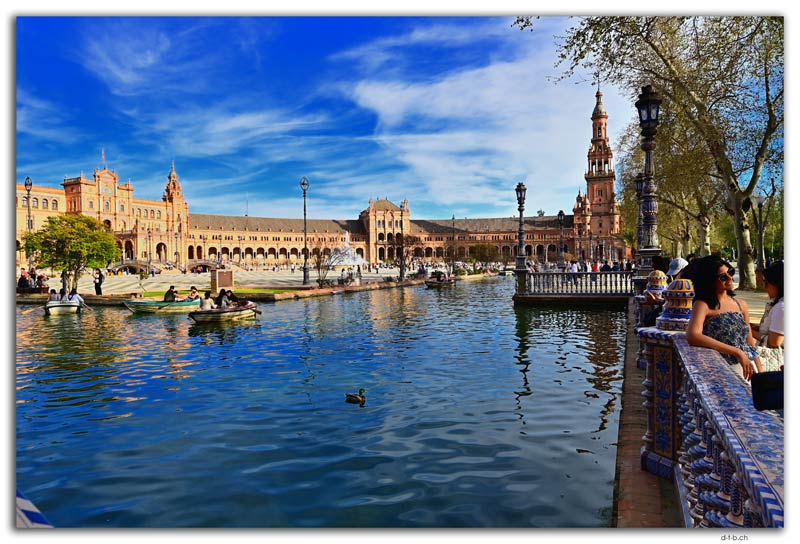
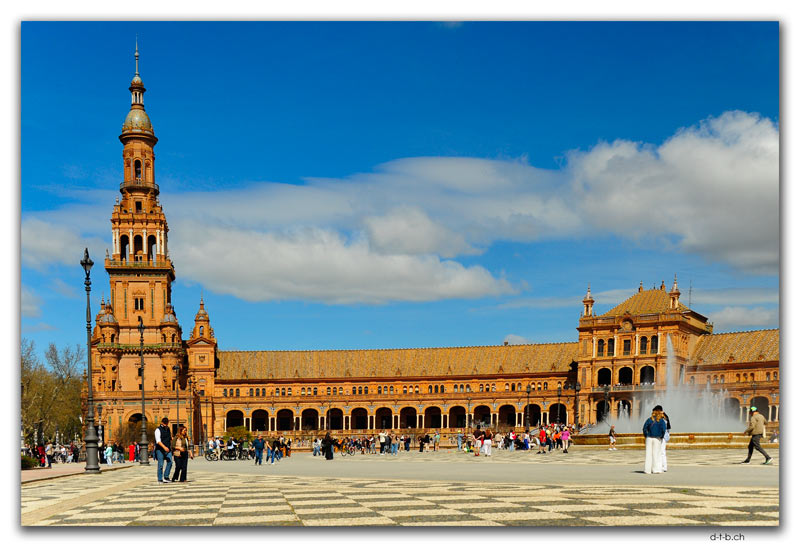
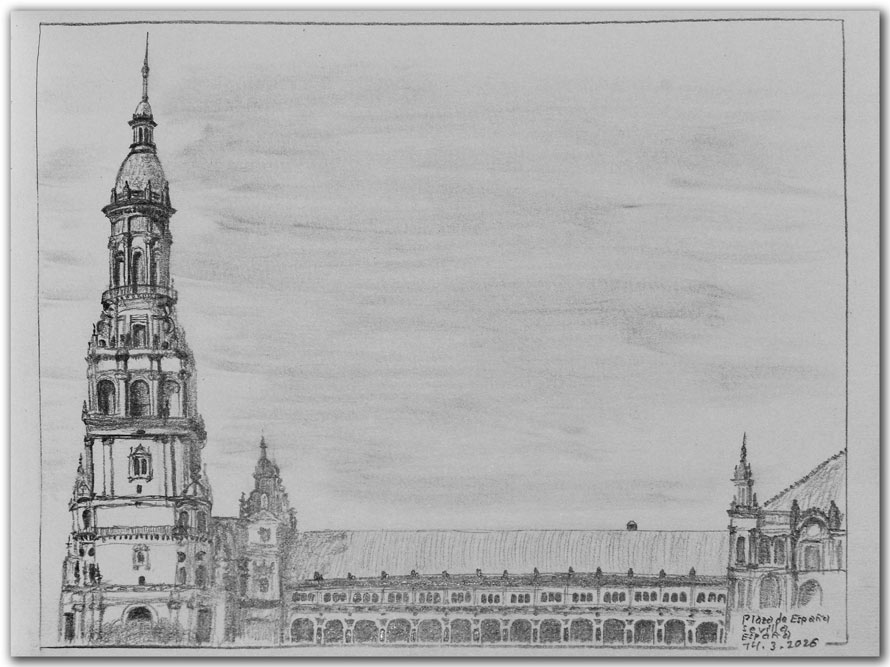
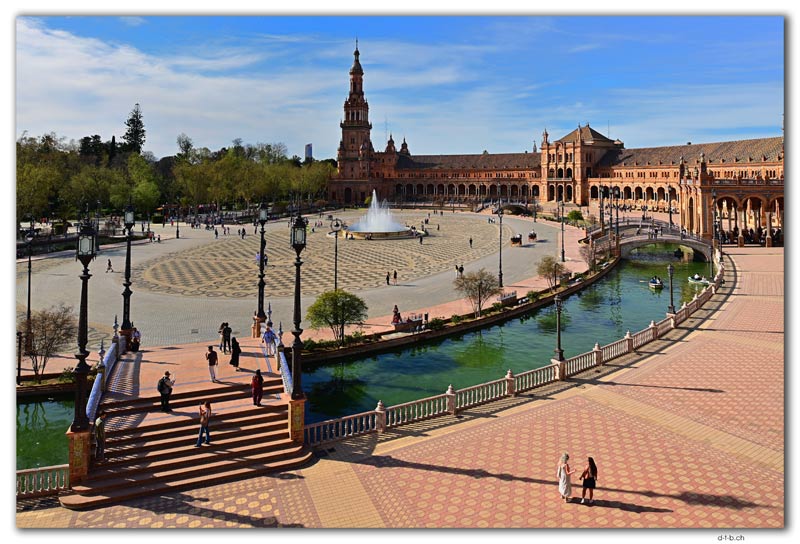
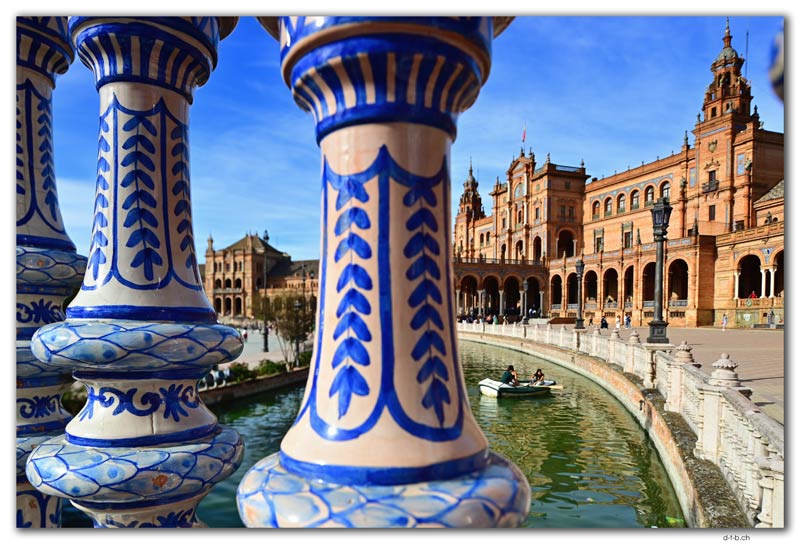
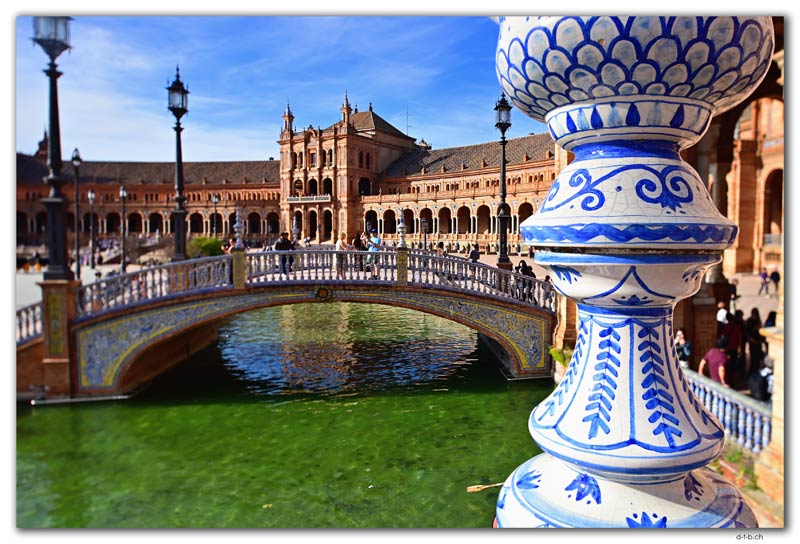
DB: Am ersten Tag radelte ich von einem Veloladen zum nächsten auf der Suche nach einem neuen Tacho und Fahnen. Leider wurde ich nicht fündig. Einer bot mir an, ein altes Garmin zu verkaufen, doch das frisst Batterien, wie ein Mähdrescher. Alle zwei Tage Batterien wechseln? Nein Danke! Am nächsten Tag pedalte ich wieder in die Stadt, um ein paar Sehenswürdigkeiten abzuklappern. Beim Plaza de España, skizzierte ich einen der Türme und den folgenden Bogen. Leider kamen die Proportionen durcheinander, ich war schonmal besser. Auf dem weiteren Weg ersetzte ich zum zweiten Mal an diesem Tag den Schlauch im rechten Vorderrad. Anschliessend kurvte ich durch die Gassen und erstand ein Kartenbuch der iberischen Halbinsel. Auf der Rückfahrt kaufte ich ein Tachometer, der leider keine Höhenmeter anzeigt, aber wenigstens kann ich die 54000 km übertragen. Die meisten Neuen hören bei 9999km auf.
FF: Was ging dazu in die Brüche?
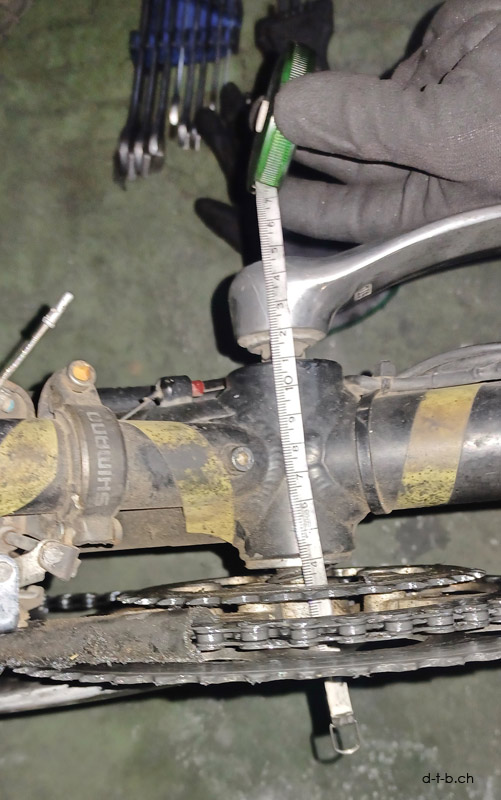
DB: Bei der Rückfahrt den Hügel hinauf klapperte es schlagartig in den Pedalen. Ich montierte den Kettenspanner vom Vordermotor anders und rollte erneut an. Da wickelte es die Kette um die Pedale. Erst da bemerkte ich, dass das Tretlager gebrochen war. Jetzt endgültig. Ich schaffte es just zur Unterkunft zurück. Klar war zurzeit Wochenende, alle Bike Läden geschlossen und ich sollte am nächsten Tag aus dem Apartment heraus.
FF: Was hast du unternommen?
DB: Ich buchte die nächstgelegene Wohnung für weitere Tage und wechselte am Sonntag hinüber. Abends schickte ich eine Mail an AZUB mit den nötigen Informationen, damit sie mir ein neues Tretlager nach Spanien schicken, Am Montagmorgen rief ich AZUB an, ob die Angaben genügen und wann ich es erhalten würde. Da es 2-3 Tage brauchte, bis es hier ist, versuchte ich meinen Aufenthalt zu verlängern. Das war schwieriger als erwartet. Die Rezeption konnte es nicht und bei der Telefonnummer, fanden die meine Buchung nicht. Sie seien für mein Apartment nicht zuständig. Demzufolge buchte ich für zwei weitere Nächte wieder woanders.
FF: Wie hast du die Wartezeit verbracht?
DB: Ich schnappte mir den Bus in die Stadt, besuchte das Kunstmuseum, ein Illusionsmuseum und schlenderte quer durch die Altstadt. Am Ende fand ich mich beim Plaza de España wieder.
FF: Kam das Ersatzteil früh genug an?


Tretlager Reparatur
DB: Ich erhielt es sogar einen Tag eher, doch weil ich am nächsten Tag abermals die Unterkunft wechselte, war es nicht möglich, das Trike vorher zu bringen. Am Donnerstag fuhr ich einige hundert Meter zum folgenden Studio und kaum angekommen, pedalte ich zum Velomech, damit dieser das Tretlager ersetzen könne. Er habe aber für morgen weitere 5 Velos zu reparieren und kann nicht versprechen, dass es bis Freitagabend fertig ist. Da sie Samstag und Sonntag zu sind, buchte ich vorsichtshalber bis Dienstag. Leider war das Apartment nicht mehr erhältlich und ich reservierte ein Hotelzimmer, ohne Küche hingegen teurer.
FF: Wann war die Reparatur fertig?
DB: Am Freitagmorgen rief der Velomech an, es sei bereits gefertigt. Dafür verlangten sie nur 25 €.
FF: Wie hast du die Zeit bis Dienstag totgeschlagen?
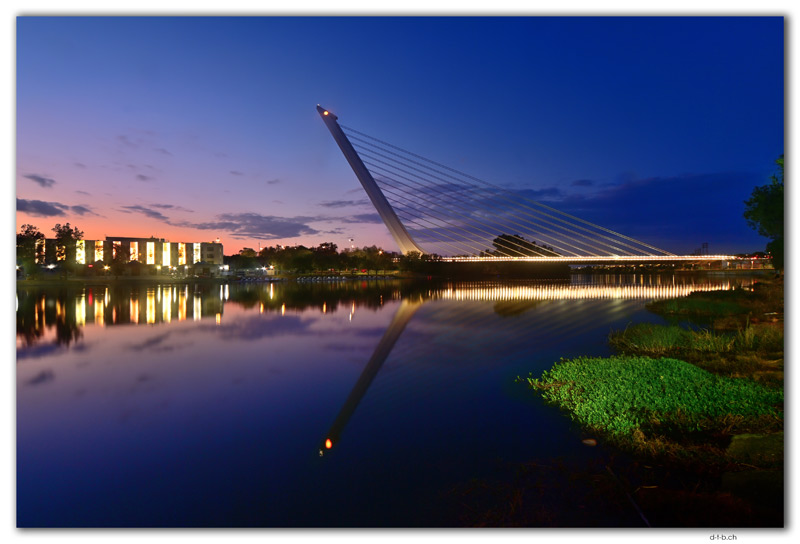
DB: Ich plante die ganze Tour bis nach Frankreich schon einmal grob vor und fragte in Lissabon herum, wo ich für ein paar Tage unterkommen könnte. An einem Abend schnappte ich den Bus in die Innenstadt, um Abendfotos der Brücken zu fertigen.
FF: Wann bist du aus Sevilla weitergezogen?
DB: Nach zwölf Tagen pedalte ich über rumpelnde Überlandstrassen. Während einer kurzen Pause stach mich ein kleines Insekt in die Lippen und Zunge. Es verspürte sich wie eine Ameise an, doch wie kam die dahin? Abends parkte ich bei einem schmucklosen Hotel in La Rabida und radelte am anschliessenden Tag in Richtung Portugal. Über Velowege durch Naturschutzgebiete und auf Schnellstrassen durch die Landschaft führte mich der Weg.
FF: Warum wurde es in Lapa dramatisch?



Abgedrängt
DB: Ein Lieferauto raste mit übersetzter Geschwindigkeit an mir vorbei, den ich an der Ampel wieder einholte. Kaum angekommen, stellte das Signal auf Grün. Der Lieferwagen fuhr los und ich rollte weiter. Nur bog dieser auf einen Parkplatz auf der rechten Seite ab und drückte mich gegen den Randstein. Der Anhänger rammte es darüber und ein Rad war platt. Ich schrie und hämmerte an die Tür, damit alle zum Stillstand kommen. Die Fahrerin war über die Delle in der Tür nicht froh und rief die Polizei. «Nur zu!» fand ich und die stand gleich hier. Jede Menge Augenzeugen sagten zu meinen Gunsten aus. Ausser meinen Personalien wollte die Polizei nichts von mir. Mehr verstand ich ohnedies nicht. Ich bockte den Anhänger auf und wechselte den Schlauch und Reifen gleichzeitig. Frisch bereift pedalte ich nach Ayamonte, wo ich die Fähre nach Portugal nahm. Dort traf ich Tanja eine deutsche Radlerin auf ihrem Weg nach Norden und zwei Frauen aus Tennessee begeisterten sich für das Trike.
FF: Mit dieser schockierenden Geschichte mit dem abgedrängt werden beenden wir den Blog.

Word-Document for download and print.
Passende Links dazu:



Conclusion on Morocco
Power Pen (PP): What are your overall thoughts on Morocco?
David Brandenberger (DB): The landscapes are varied and fascinating. Green fields and farmland in the north, and barren steppes beyond the Atlas Mountains. I only touched on the mountains briefly, but even those glimpses were impressive. As a vegetarian, I can’t say much about the food; I tried the veggie tagine in all sorts of variations and it was always delicious – though that’s the only vegetarian option. People south of the Atlas Mountains were more relaxed and friendly. The biggest problem was the children – in a patriarchal system, the boys in particular. They came across as cheeky, aggressive, demanding and arrogant. Some items were stolen from the Solatrike – anything that wasn’t bolted down.
PP: What was that?
DB: After the theft in Larache, a small solar panel was missing. Later, the children stole both solar rear lights, two Moroccan flags and other flags from the flagpoles, including the bra, smiley stickers and the ‘bonnet ornament’. The second negative point was the state of the roads. Littered with potholes and patchwork repairs, even though the government is planning to build new motorways costing billions. They should use that money to repair the existing local roads first.
PP: Did you meet up with Youssef again in Tangier?
DB: Unfortunately, he didn’t have the time and I spent a few days catching up on work. My film programme takes ages to buffer the films.
PP: What problems did you have with the ferry?


Teething problems in Spain
DB: As usual, I bought a ticket for myself and a bike. But when I cycled up to the ferry, they told me I needed an extra ticket for the trailer and charged me the price for two cars. On the ferry, the workers wanted to squeeze my Solatrike in on its side. I can usually manage that, but if I’d paid for two cars, then I’d also be entitled to the space for it. The crossing was more relaxed and shorter this time. I met a British-Canadian mountain biking couple who were on their way back after a race in the Atlas Mountains.
PP: How did you get to Tarifa, Spain?
DB: I picked up the key from the office, cycled to my accommodation, parked my Solatrike in the garage and took my luggage into the flat. The next day, I went for a walk around the old town and was done with it after half a day. Unfortunately, the southernmost point of Europe was cordoned off and a strong wind was blowing. In the afternoon, I planned to do my washing. I selected a 30°C cycle, but was astonished when steam started billowing out of the detergent compartment. “Something’s not right,” I assumed, and pressed the pause button. Shortly afterwards, there was a loud bang and the water pipe from the boiler started leaking. I grabbed a bucket and a cloth, but it wouldn’t stop. Once I’d filled a whole bucket, I first disconnected the boiler from the mains and then turned off a tap. The caretakers I’d called couldn’t find a quick fix. They told me to turn off the main water supply tap. It was the weekend and I’d have no water for the next few days. I hung the damp laundry up to dry.
PP: Did it dry before you set off again?
DB: No, so I went to the laundrette and had it washed and dried there. On Sunday, I took the bus over the mountain back to Algeciras. I’d left my drone at my friend Samuel’s place and went to collect it. We swapped stories and then I caught the bus back in the opposite direction.
PP: When did you set off again?
DB: On Monday 9 March, I was back cycling along the roads and over the hills of southern Spain. Near El Palmar de Vejer, I tried to find a place at a youth hostel, but one was closed and there was only one guest at the next one. She gave me the innkeeper’s phone number, and he assured me I could park the Solatrike in the courtyard. In the meantime, however, someone arrived with a huge van, which he parked in the courtyard, so there was no longer any space for me. That’s why I didn’t book a room just yet and set off again, as I’d been needing the loo for hours.
PP: Where did you find shelter?


Over country roads to Seville
DB: A few kilometres further on, on the outskirts of Conil de la Frontera, I booked a room in a strange hotel. Everything is done online there, even the check-in. But it was a bit of a struggle and the website kept freezing. I rang a number and they helped me out. That's how I got access to the room and didn't have to sleep virtually on top of everything else.
PP: What did you miss the next day?
DB: In Chiclana de la Frontera, I drove round the old town, but no road led to the archaeological museum. The road I’d planned to take was one-way, and all the others led somewhere else. In Puerto Real, I also took a wrong turn and bumped my way over cobblestones through the old town, only to reach the hotel after this detour. There, I was given a room overlooking the car park where the Solatrike was parked.
PP: Do you find it difficult to find the right road?
DB: Early in the morning, I took the wrong exit at the roundabout; later, I suddenly found myself facing a roadworks site, and Komoot then directed me along a dirt track. That’s why I had to change my plans several times a day. I cycled through Jerez de la Frontera and parked my Solatrike next to a field just outside the town for my lunch break. That’s when Andreas, an e-biker from Freiburg, cycled up – he’s on his way home after a language course in southern Spain. After cycling over a few hills, I reached El Cuervo de Sevilla, where I’d planned to tinker with an improvement to the front motor, but it didn’t work out.
PP: What was the route to Seville like?
DB: It started off mostly flat, taking me through agricultural areas. In Dos Hermanas, I managed to get some chain oil and a new water bottle from a bike shop, as the old one had started to grow algae. A few cycle paths took me to Seville and on to the outskirts, which are a bit higher up. I regularly got lost in this maze of streets, but by four o’clock I arrived at my accommodation, where I parked the Solatrike in the garage.
PP: What did you get up to in Seville?


Seville
DB: On the first day, I cycled from one bike shop to the next in search of a new speedometer and flags. Unfortunately, I didn’t find what I was looking for. One shopkeeper offered to sell me an old Garmin, but that thing eats through batteries like a combine harvester. Changing batteries every two days? No, thank you! The next day, I cycled back into town to check out a few sights. At the Plaza de España, I sketched one of the towers and the arch beyond. Unfortunately, the proportions got a bit mixed up – I’ve done better before. Further along the way, I replaced the inner tube in the right front wheel for the second time that day. Afterwards, I wound my way through the narrow streets and bought a map book of the Iberian Peninsula. On the way back, I bought a speedometer, which unfortunately doesn’t show altitude, but at least I can transfer the 54,000 km. Most new ones stop at 9,999 km.
PP: What went wrong?
DB: On the way back, as I was cycling up the hill, there was a sudden rattling in the pedals. I refitted the chain tensioner on the front motor and set off again. That’s when the chain wrapped itself around the pedals. Only then did I realise that the bottom bracket had broken. For good this time. I just managed to make it back to the accommodation. Of course, it was the weekend, all the bike shops were closed, and I was due to check out of the apartment the next day.
PP: What did you do?
DB: I booked the nearest apartment for a few more days and moved there on Sunday. That evening, I sent an email to AZUB with the necessary details so they could send me a new bottom bracket to Spain. On Monday morning, I rang AZUB to ask if the details were sufficient and when I would receive it. As it would take 2–3 days to arrive, I tried to extend my stay. That was more difficult than expected. The reception couldn’t help, and when I called the number, they couldn’t find my booking. They said they weren’t responsible for my apartment. As a result, I booked somewhere else for two more nights.
PP: How did you spend the waiting time?
DB: I hopped on the bus into town, visited the art museum, an illusion museum and strolled through the old town. In the end, I found myself back at the Plaza de España.
PP: Did the spare part arrive in time?



Bottom bracket repair
DB: I actually received it a day early, but as I was moving accommodation again the next day, I couldn’t get the trike to the bike mechanic beforehand. On Thursday, I cycled a few hundred metres to the next studio and, as soon as I arrived, I pedalled over to the bike mechanic so he could replace the bottom bracket. However, he had another five bikes to repair for the next day and couldn’t promise it would be ready by Friday evening. As they’re closed on Saturday and Sunday, I booked until Tuesday just to be on the safe side. Unfortunately, the apartment was no longer available, so I booked a hotel room – without a kitchen, but more expensive.
PP: When was the repair finished?
DB: On Friday morning, the bike mechanic rang to say it was already done. They only charged €25 for it.
PP: How did you kill time until Tuesday?
DB: I roughly planned the whole tour to France in advance and asked around in Lisbon where I could stay for a few days. One evening I caught the bus into the city centre to take some evening photos of the bridges.
PP: When did you leave Seville?
DB: After twelve days, I cycled along bumpy country roads. During a short break, a tiny insect stung my lips and tongue. It felt like an ant, but how did it get there? In the evening, I parked at a plain hotel in La Rabida and cycled towards Portugal the following day. The route took me along cycle paths through nature reserves and on fast roads through the countryside.
PP: Why did things get dramatic in Lapa?
Pushed aside
DB: A delivery van sped past me at excessive speed, but I caught up with it at the traffic lights. No sooner had I arrived than the lights turned green. The van set off and I carried on. But then it turned into a car park on the right and pushed me against the kerb. The trailer rammed over it and one of my tyres went flat. I shouted and banged on the door to get everyone to stop. The driver wasn’t happy about the dent in the door and called the police. “Go on then!” I thought, and they were here in no time. Plenty of eyewitnesses testified in my favour. Apart from my personal details, the police didn’t want anything else from me. I wouldn’t have understood any more of it anyway. I jacked up the trailer and changed the inner tube and tyre at the same time. With fresh tyres, I cycled to Ayamonte, where I took the ferry to Portugal. There I met Tanja, a German cyclist on her way north, and two women from Tennessee who were thrilled by the trike.
PP: We’ll end the blog with this shocking story about being forced off the road.

PDF-Document for download and print.




Write a comment
Kurt Hostettler (Monday, 20 April 2026 12:32)
Hallo David
Ja, ja die lieben Autopiloten können unterschiedlicher nicht auftreten, vor allem weil sie immer Recht haben wollen!
Du darfst ja von Glück sprechen, dass du noch nie einen grösseren Unfall hattest. Die Stadt Motril und Sellvia kennne ich auch sehr gut, war ich doch Ende der 60jahren mit einer Jacht mehrere Mal vor Ort. So auch Portugal Lissboa und Lagos sind begriffe die ich sehr gerne besucht habe.
Wünsche dir weiterhin viel Erfolg, gute Gesundheit und viel Spass.
Liebe Grüsse Kurt