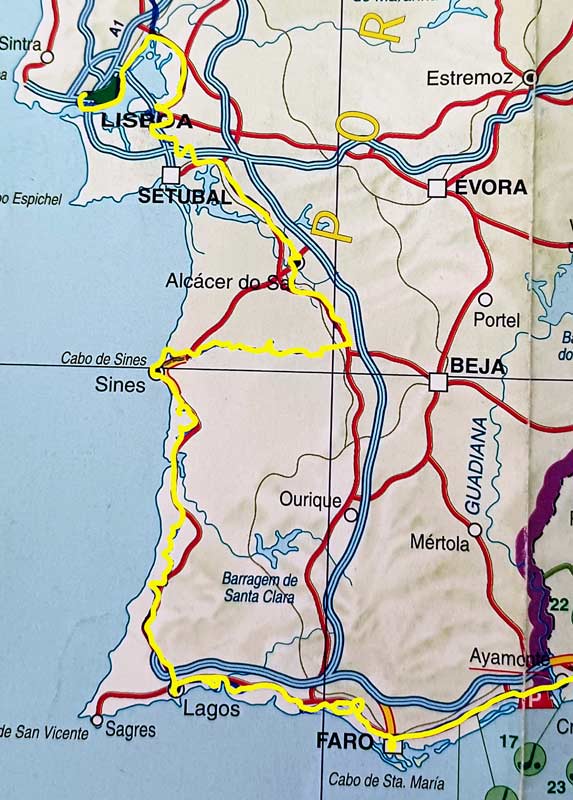
Portugal 1
(26. März – 20. April 2026)
(Geschrieben von Flinke Feder vom 28. März 28. April 2026, redigiert vom grün gefiederten Papageienvogel; dem Ara,)
(Die Red.) Das Reisemagazin «Leise Reisen» erzählt von der Reise mit dem Solatrike durch den Süden von Portugal bis nach Lissabon.
Portugal 1
(March 26. – April 20. 2026)
(Written by Power Pen from March 28. to April 28. 2026, edited by the green-feathered parrot bird, the macaw)
(The editors) The travel magazine “Gravel Travel" recounts a journey by Solatrike through southern Portugal to Lisbon.

Muskelriss
Flinke Feder (FF): Spanien hörte nicht erfreulich auf. Ging die Pannenserie weiter?
David Brandenberger (DB): Mach dich auf was gefasst! In Faro mietete ich mir ein Zimmer mit Gemeinschaftsküche. Einchecken war online und ich erhielt einen Code für die Türe. Nur den Code für das Tor, um das Trike einzustellen bekam ich nicht. Zufällig war das Reinigungspersonal anwesend und sie telefonierten der Vermietung. Das Tor war jetzt offen, aber die Einfahrt extrem steil. Ich versuchte, das Solatrike per Seil hinauf zu ziehen, doch in diesem Kraftakt verspürte ich ruckartig einen Schlag im linken Waden. Es war, wie jemand hineintrat. Schmerzvoll liess ich das Solatrike rückwärts wieder hinunter. Entlud ich die Gepäckstücke und zog es einzeln hinein.
FF: War es ein Muskelriss?
DB: Allem Anschein nach, ich konnte kaum noch laufen. Darum schnappte ich das Trike und sauste in die Stadt. Doch bis ich endlich über das Kopfsteinpflaster beim Museum ankam, war die letzte Strasse wegen Bauarbeiten gesperrt. Es war dazu noch spät und ich drehte um. Der Ausflug lohnte sich nicht. Abends humpelte ich zum Supermarkt und zurück.
FF: Konntest du weiterfahren?
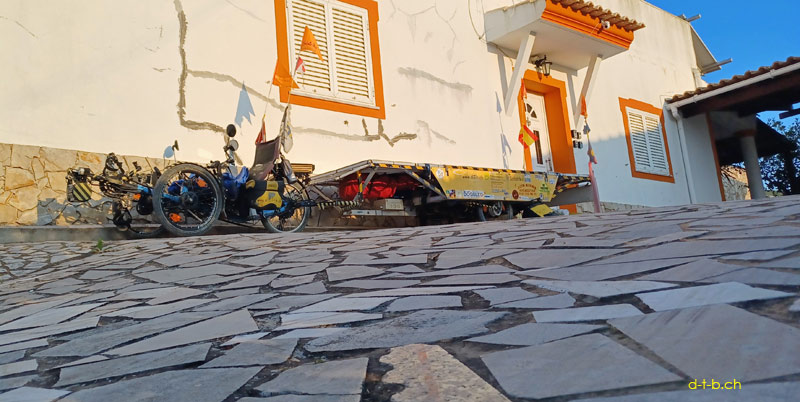
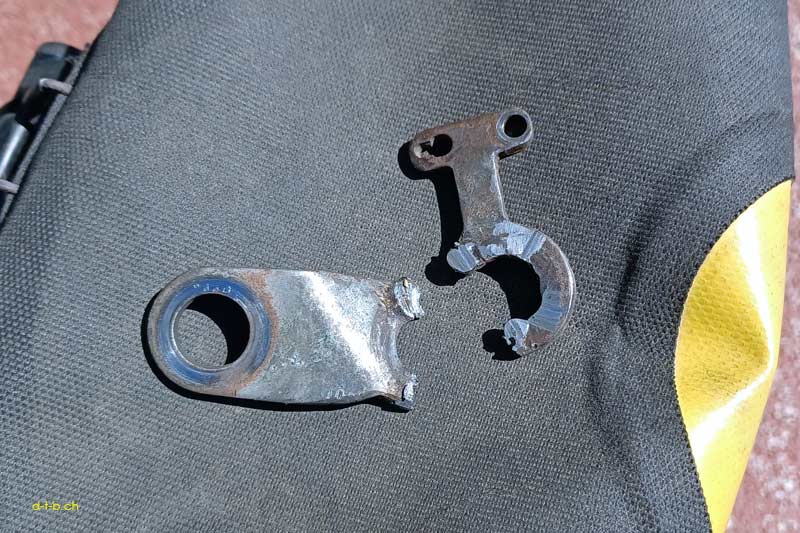
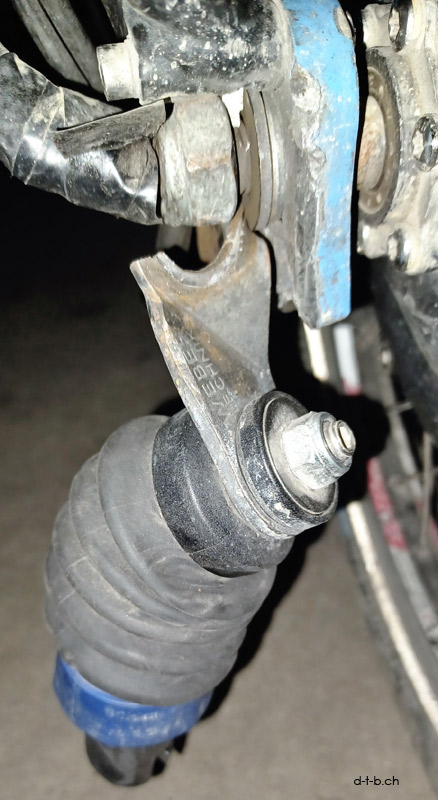
DB: Die Schmerzen hielten an, radeln war dennoch möglich, wenn etwas eingeschränkt. Durch kleine Weiler und entlang der Überlandstrasse geriet ich nach Vilamoura. Dort besuchte ich das Museum von einer römischen Villa und dessen ausgegrabenen Mauerresten. Über Velowege und enge Strassen, enger als in Neuseeland, gelangte ich nach Albufeira. Ich parkte in der Nähe einer Apotheke, um Voltaren-crème für meinen Waden zu kaufen. Derweil hievte ich, wie sonst ebenso, den Anhänger etwas von der Strasse weg. Da knackte was – die Kupplungsaufnahmeplatte brach. Wen wundert's: ich habe keinen Ersatz dabei.
FF: Wieso bestellst du nicht schlichtweg eine neue?


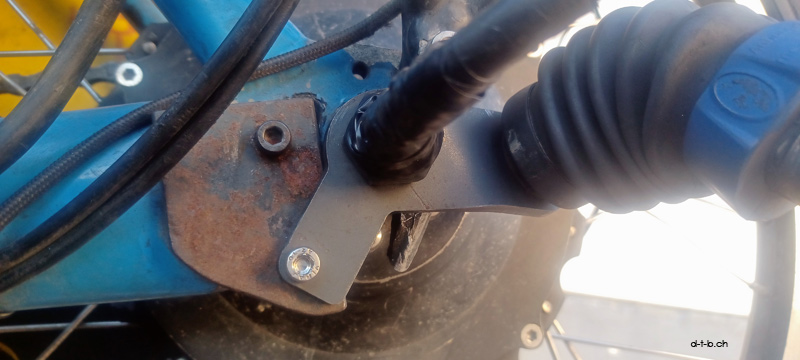
Kupplungsaufnahmeplattenbruch
DB: Die wird nicht mehr hergestellt und es war Freitag Abend. Kaum checkte ich im Hotel ein, radelte ich los von einer Autogarage zur nächsten. Jeder verwies mich weiter, denn sie können es nicht schweissen. Abends war ich so klug, wie zuvor und wartete das Wochenende ab. Die Zeit nutzte ich, den Touristenort anzugucken.
FF: Fandest du am Montag einen Schweisser?
DB: Dazu pedalte ich erneut 20 km zurück, doch der erste entpuppte sich als eine Niete. Weitere 10 km brachten mich zu einer Werkstattkommune. Der Chef kam über Stunden nicht, also organisierte dessen Frau einen Arbeiter, der mir mein defektes Stück kurz schweisste. Sie verlangten für die Arbeit nicht einmal Geld, sondern hörten sich meine Story an. Glücklich schraubte ich alles erneut zusammen und fuhr von dannen.
FF: Führte die Reise weiter?
DB: Auf holperigen Überlandstrassen radelte ich los. Kurz nach Lagoa verwickelte mich Norbert aus Deutschland in ein Gespräch, da er selber ein Solarvelo mit Wohnwagen bauen will. Nach dem angeregten Austausch pedalte ich weiter und nicht weit entfernt krachte es wieder. Die Kupplungsaufnahmeplatte war nach 30 km erneut gebrochen. Den Schock verdaute ich zusammen mit dem Mittagessen. Gegenüber arbeiteten Leute an der Wiedereröffnung eines Wasserparks. Ich fragte die, was ich machen soll und kurzerhand schweissten sie mir die Stücke wieder zusammen. Wie auf Eiern radelte ich bis nach Lagos.
FF: Hielt die Platte so lange?
DB: Gott sei Dank! Doch ich traue der nicht weitere tausend Kilometer zu. Ich benötigte eine Neue, nur wer macht das? Unterwegs nach Lagos besuchte ich einen Metallbauer ohne Erfolg und bald darauf riss die Kette. Das auch noch! Am 1. April radelte ich mit dem Trike los, dennoch fand in Lagos niemanden. Ich erhielt einen Tipp, dass ich in Portimão fragen soll. Nochmals 20 km zurück, doch die genannte Firma lehnte ab. Ich fand einen Schlüsseldienst auf Google-Maps, als ich ankam, war da eine Glasfirma. Um die Ecke wurde Metall geschweisst und die verwiesen mich weiter. Endlich wurde ich fündig. Es brauchte zwar ebenfalls Überzeugungsarbeit, doch sie waren gewillt ein Duplikat herzustellen – auf den nächsten Tag.
FF: Besichtigtest du die Stadt Lagos?


55'000 km
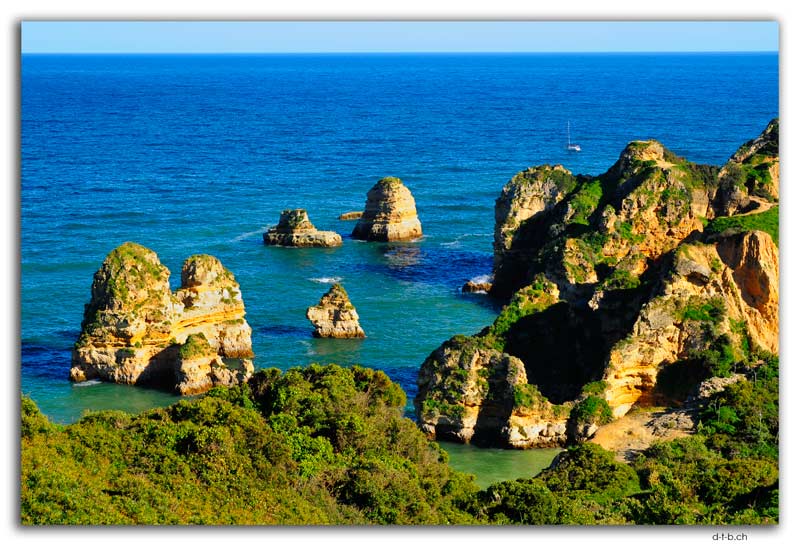
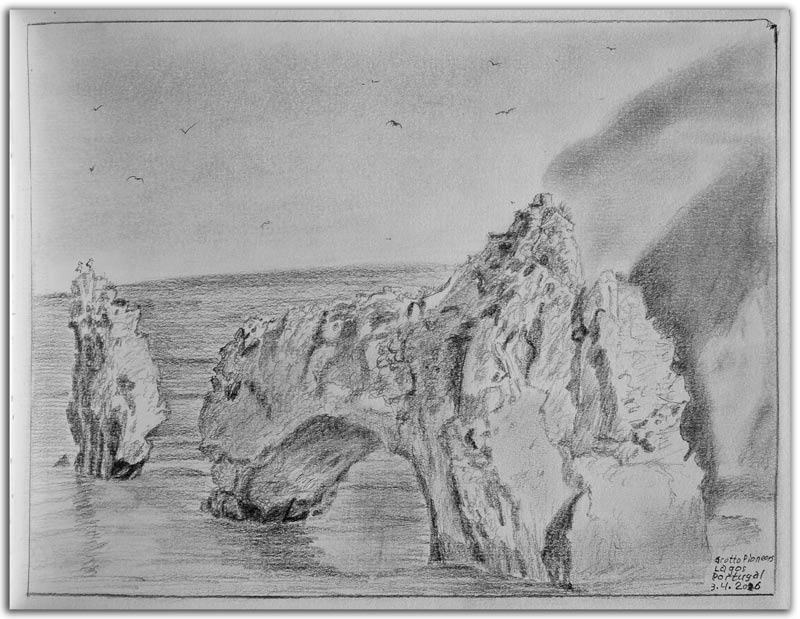
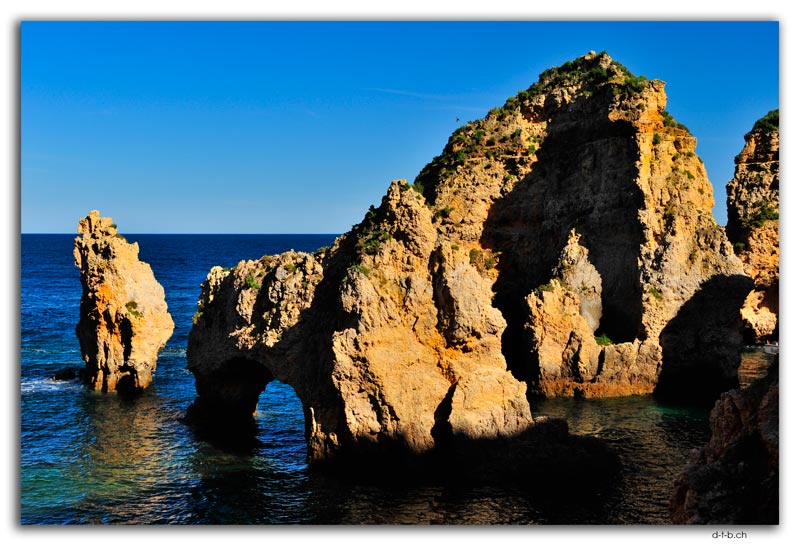
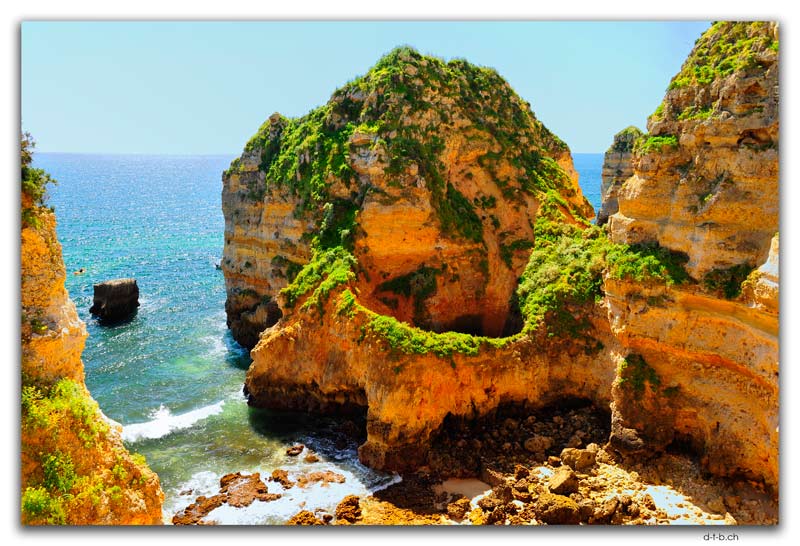
DB: Einen halben Tag reichte für das Sklavenmuseum und einige Sehenswürdigkeiten aus alten Zeiten. Nachmittags radelte ich wieder nach Portimão, um mein neues Stück abzuholen. Als ich um 17.00 Uhr eintraf, war nichts erzeugt, doch kurzerhand wurde es aus einer Metallplatte herausgefräst und den Winkel hinein gebogen. Da es zwar Hartmetall, aber nicht gehärtet sei, können sie nicht garantieren, wie lange es hält. Er sei dagegen gewillt, mir am Montag ein Ersatzteil herzustellen. Darum blieb ich über Ostern in Lagos. Ich erkundete die schroffen Klippen, sonnte mich am Strand und fertigte dabei zwei Skizzen an.
FF: Erhieltest du ein zusätzliches Ersatzteil?
DB: Wie ausgemacht stand ich am Montagmorgen wieder da und der Arbeiter liess die Maschinen laufen. Nicht ein, sondern gleich drei Stücke stellte er für mich her – diese kostenlos und wünschte mir eine gute Reise. Frohen Mutes radelte ich die mir inzwischen bekannte Strecke zurück und plante, am nächsten Tag endlich nach einer Woche weiter zu pedalen.
FF: Was kam dazwischen?
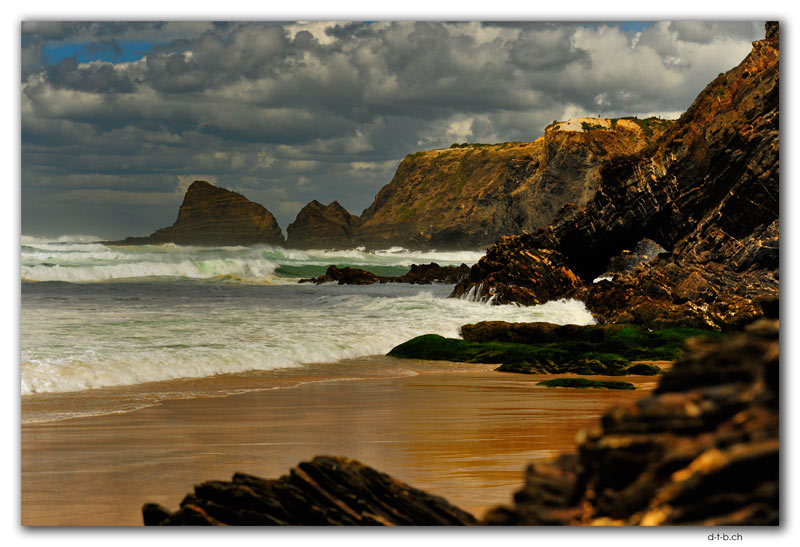
DB: Nach anhaltendem sonnigem Wetter kehrte es und die Prognosen waren auf lange Zeit regnerisch. Ich wartete einen Regentag ab und zog am 8. April letzten Endes weiter. Erst überquerte ich eine Hügelkette, damit ich an die Westküste Portugals gelangte. Überraschenderweise kam ich schneller voran, als vorgestellt, deshalb legte ich einen Abstecher zu einem Strand unterhalb steiler Klippen ein. Die Flut überdeckte den Sandstrand und ich verzog mich auf die Steine, um den tosenden Wellen zuzugucken. Darauf durchquerte ich Odeceixe und traf in São Miguel beim Campingplatz ein.
FF: Was feiertest du dort?
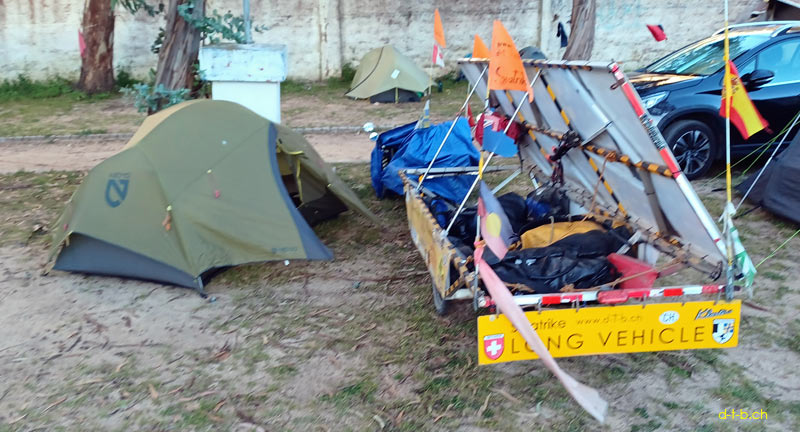
DB: Gleich bei der Einfahrt erreichte ich 55000 km! Ich errichtete mein Zelt und blieb für zwei Nächte, da der nächste Tag wieder mit Regen daherkam. Kaum war es trocken, zog ich los und nahm Nebenstrassen, die vor einer Baustelle endeten. Bei der Abbiegung zur Umfahrung fing mich Markus aus Luzern ab und löcherte mich mit Fragen. Er selber fährt mit seiner Frau im Wohnmobil seit 2 Jahren durch Europa. Die Umfahrungsstrasse war immens holperig. Im Zickzack über die Nebenstrassen gelangte ich zur Abzweigung zum Campingplatz. Ich stoppte kurz darauf, um sicherzustellen, dass ich den richtigen Feldweg eingeschlagen hatte, da knallte es hinter mir. Ein PKW hielt bei der Einfahrt an und ein Lieferwagen rammte sein Heck. Zum Glück war ich etwas weiter weg. Ich rumpelte über die Schlaglöcher zum Camping, wo ich mein Zelt neben zwei andere Zelte der gleichen Marke stellte.
FF: Waren das Kanadier?


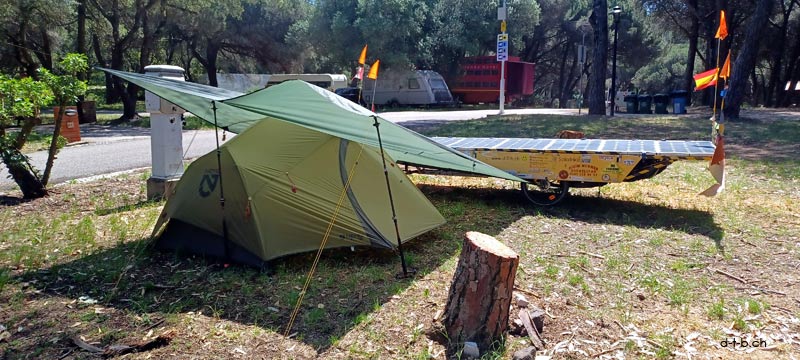
Korkeichen
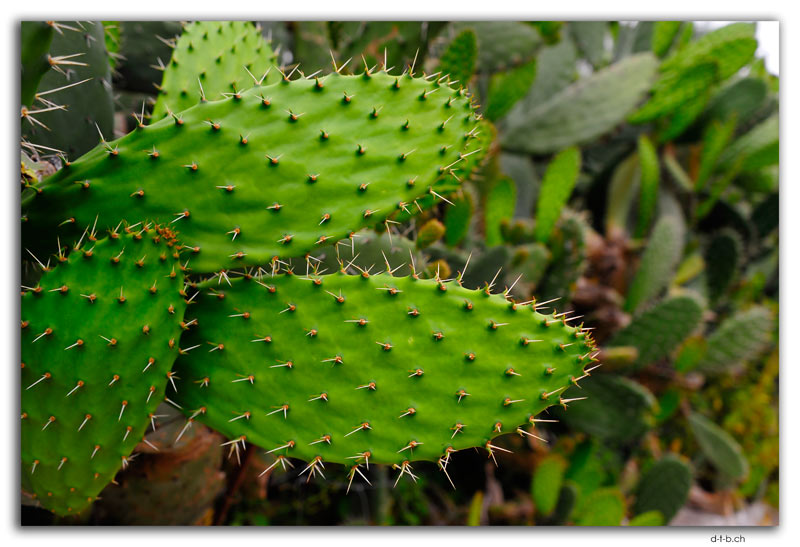
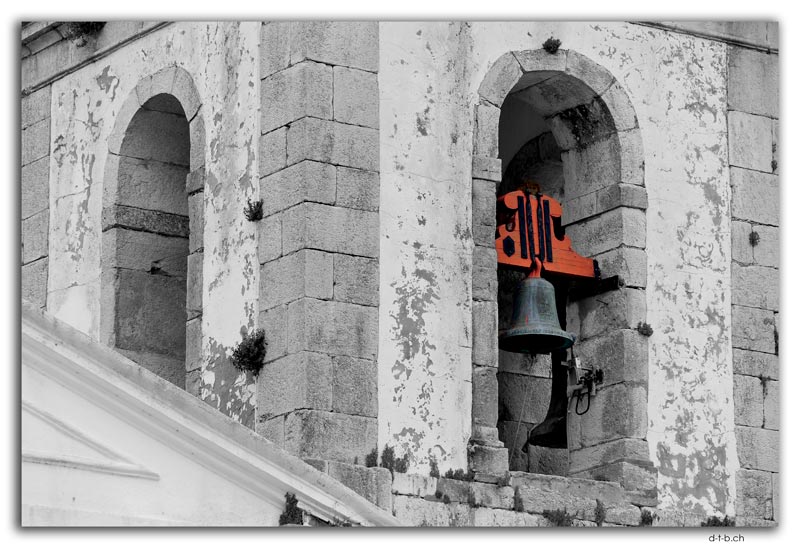
DB: Richtig geraten. Eine kanadische Familie bricht zum Fischermann Trail auf, der bis nach Lagos führt. Am Morgen verabschiedete ich mich von der Familie und radelte los in Richtung Sines. Bevor ich die Stadt erreichte, traf ich ein kanadisches Paar aus Québec, das mir entgegen radelt. Ich informierte sie über die weggeschwemmte Küstenstrasse gleich gegenüber dem Camping. Die Infos erhielt ich von anderen Radlern, die mein Solatrike in Marokko sahen und inzwischen weiter nördlich sind. Ich tauschte mit den Kanadiern Infos aus und wir bemerkten, dass die Frau denselben Buff aus Neuseeland trägt, wie ich. Meine Strecke führte mich rund um Sines herum, wo die Industriegebiete sind und dann hinauf nach Santiago do Cacèm. Auf dem Hügel thront ein Schloss über dem Ort. Kopfsteinpflaster schüttelte mich durch und die Strasse brachte mich immer höher, bis ich von einer anderen Anhöhe das Schloss auf Augenhöhe hatte. Ich pedalte rauf und runter durch das Land, das mit Korkeichenplantagen bestückt ist. Die älteste des Landes. Die Gegend ist abwechslungsreicher als der Küste entlang. In einem Camping auf dem Land errichtete ich mein Zelt und wartete das windige Wetter ab.
FF: Du plantest, mehr Tage hier zu verbringen. Wieso zogst du nach zwei Nächten weiter?
DB: Ich hatte vor in der Natur ein lauschiges Plätzchen zu finden, um an meinen Songs weiter zu komponieren. Leider war es so windig und kalt, dass mir die Lust dazu abhandenkam. Es war schon abgelegen, fern vom Verkehr, dagegen nicht billig und frieren kann ich woanders ebenfalls. Ich radelte durch die Baumplantagen und gelangte zur Schnellstrasse. Bei leichtem Regen durchquerte ich Grândola und entlang einer schnurgeraden Landstrasse traf ich Alcácar do Sal ein. Nur stand kurz vor dem Ort eine allgemeine Fahrverbotstafel. Ich bog ab und fand mich wieder auf der Überlandstrasse, die über eine Brücke führte. Die Hälfte der Brücke war wegen Sanierungsarbeiten gesperrt. Nicht mein Problem, wenn die Autos sich hinter mir stauen. Von der anderen Seite erreichte ich den Ort, was mir einige steile Aufstiege ersparte. Der kleine Gemeindezeltplatz verlangt nur € 8.50 mit Strom und darum blieb ich hier für zwei Nächte.
FF: Was ist speziell hier?
DB: Ich besuchte das archäologische Museum mit den Ausgrabungen verschiedener Perioden. Der Ort war seit der Eisenzeit bewohnt. Dazu legte ich wieder einmal einen Waschtag ein.
FF: Wie sind die Strassen in Portugal?
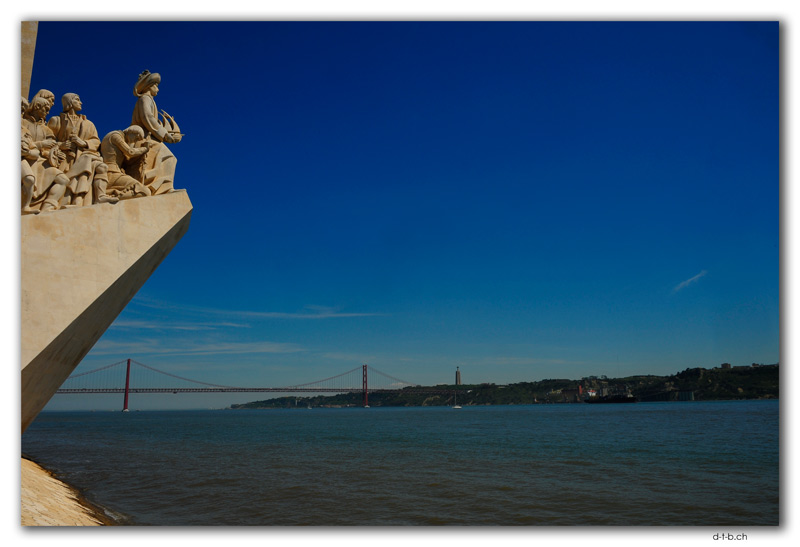
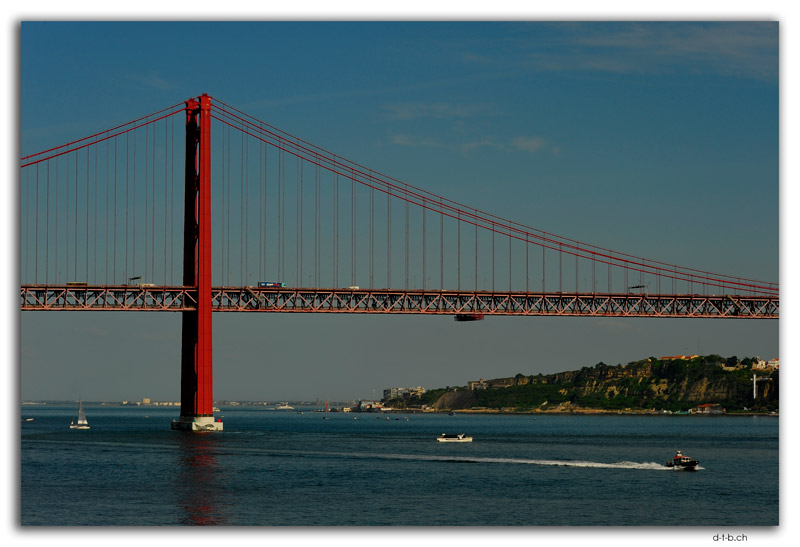
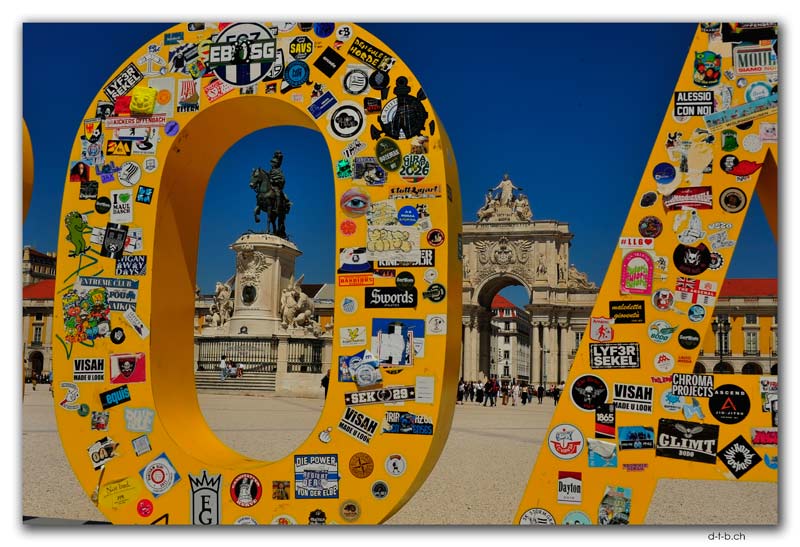
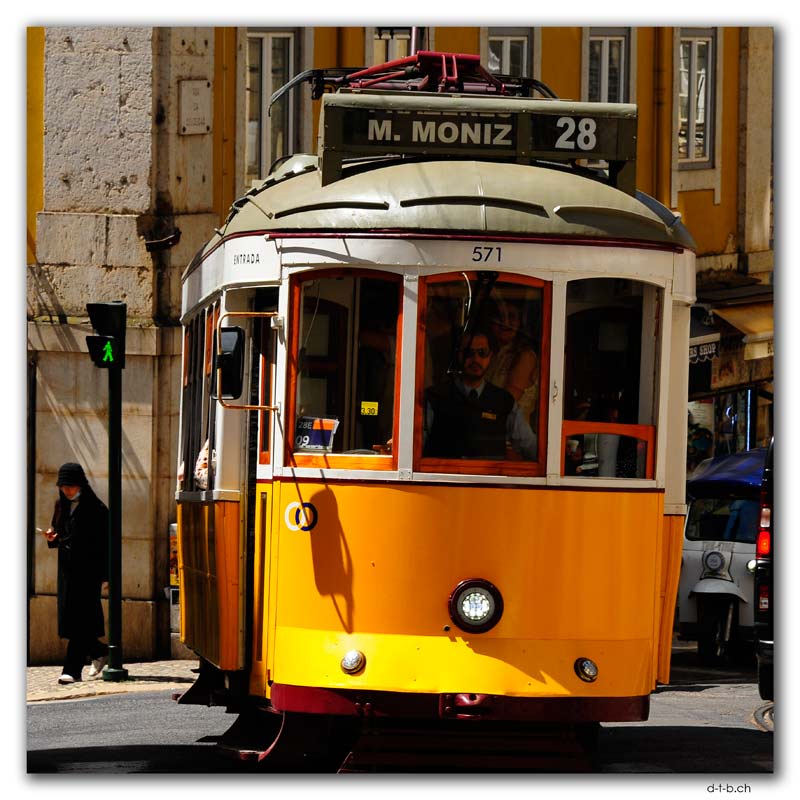
Lissabon
DB: Teilweise katastrophal. Flickstellen über Flickstellen, Schlaglöcher nach Schlaglöchern, Risse und fehlender Belag. Hier wird es wohl, wie in Kanada Minus 40°C im Winter. Nein? Ach so, dann muss es was anderes sein. Auf den Überlandstrassen wimmelt es von LKWs, die nicht auf der Autobahn fahren wollen, warum auch immer. Zeitweise ist der Strassenbelag so grauenhaft, dass ich nur im Schritttempo darüber rumple.
FF: Trotzdem wagtest du eine 100km Strecke nach Lissabon?
DB: Es blieb mir nichts anderes übrig. Ich begann in Pinhal Novo um zehn Uhr, die ersten Strassen waren wiederum rumpelig, doch anschliessend kam ich zügig voran. Um 11 Uhr hatte ich 25km abgeradelt und trat kräftig in die Pedalen. Nach zwei Stunden erreichte ich 50km bei Vila Franca de Xila und von nun an führte die Strasse wieder nach Süden.
FF: Wieso machtest du so einen grossen Umweg?
DB: Weil die beiden Brücken nur Autobahnen sind, und auf die Fähren kriege ich mein Trike nicht, das sind nur Personenfähren. Ich pedalte noch eine Stunde und pausierte um 13 Uhr nach 70 km. Frisch gestärkt radelte ich eine Stunde später weiter. Eben erreichte ich die Grossstadt Lissabon und ein Rotlicht folgte dem nächsten, Kopfsteinpflaster und unübersichtliche Strassenfolge setzten mir zu. Ich holperte über Tramschienen, Flickstellen und Schlaglöcher. Etliche Male brauchte ich mich zu orientieren. Es war zermürbend und schien endlos. Am Ende wartete noch ein steiler Aufstieg zum Campingplatz. Um sechs Uhr abends traf ich ein. Für die 30km durch die Stadt brauchte ich geschlagene vier Stunden.
FF: Welche Sehenswürdigkeiten hast du in Lissabon besucht?
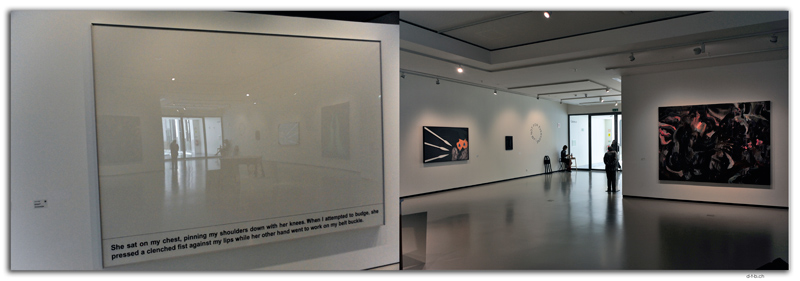
DB: Ich zog von einem Kunstmuseum zum nächsten, wobei ich nicht alle besichtigte. Barzahlung wird von den meisten nicht mehr akzeptiert, da verdünnisier ich mich wieder. Ich spazierte durch die mit tausenden anderen Touristen gefüllten Strassen und sprintete kurz auf die andere Seite. Da jagte mir erneut ein Schmerz in die linke Wade. Derselbe Muskel riss aufs Neue oder war nicht verheilt. Jedenfalls fängt die ganze Sache wieder von vorne an. Ich humpelte zur Busstation, doch nicht einmal der Buschauffeur nahm mein Münz. Beim Bahnhof holte ich mir eine Mehrtageskarte und von nun an nahm ich meinen Wanderstock als Stütze mit zu den Ausflügen in die Stadt. Ich kam mir vor, wie Dr. House, nur nicht so intelligent.
FF: Wir erzählen weitere Geschichten von Lissabon und der anschliessenden Reise durch Portugal im nächsten Blog.


Word-Document for download and print.
Passende Links dazu:



Torn muscle
Power Pen (PP): Things didn’t end well in Spain. Did the run of bad luck continue?
David Brandenberger (DB): Brace yourself! In Faro, I rented a room with a shared kitchen. I checked in online and received a code for the door. The only thing I didn’t get was the code for the gate to park the trike. By chance, the cleaning staff were there and they rang the rental company. The gate was now open, but the driveway was extremely steep. I tried to pull the Solatrike up by rope, but during this feat of strength I felt a sudden jolt in my left calf. It was as if someone had kicked me. In pain, I let the Solatrike roll backwards down again. I unloaded the luggage and carried it in piece by piece.
PP: Was it a torn muscle?
DB: It certainly seemed that way; I could barely walk. I grabbed the trike and sped into town. But by the time I finally reached the museum on the cobblestones, the last road was closed due to roadworks. It was late, too, so I turned back. The trip wasn’t worth it. In the evening, I hobbled to the supermarket and back.
PP: Were you able to carry on cycling?
DB: The pain persisted, but cycling was still possible, albeit somewhat restricted. Through small hamlets and along the country road, I made my way to Vilamoura. There I visited the museum of a Roman villa and its excavated wall remains. Via cycle paths and narrow roads – narrower than in New Zealand – I reached Albufeira. I parked near a pharmacy to buy some Voltaren cream for my calves. Meanwhile, as usual, I pulled the trailer slightly off the road. Then something snapped – the coupling plate broke. No surprise there: I didn’t have a spare with me.
PP: Why don’t you just order a new one?



Broken coupling plate
DB: It’s no longer made, and it was Friday evening. As soon as I’d checked into the hotel, I cycled from one garage to the next. Everyone sent me on my way, as they couldn’t weld it. By evening, I was just as clueless as before and decided to wait out the weekend. I used the time to have a look around the tourist town.
PP: Did you find a welder on Monday?
DB: I cycled 20 km back again, but the first one turned out to be a dud. Another 10 km took me to a workshop. The boss didn’t turn up for hours, so his wife organised a worker who quickly welded my broken part. They didn’t even ask for money for the work, but listened to my story. Happy, I screwed everything back together and set off again.
PP: Did the journey continue?
DB: I set off along bumpy country roads. Shortly after Lagoa, Norbert from Germany struck up a conversation with me, as he wants to build a solar bike with a caravan himself. After a lively chat, I cycled on and not far away there was another crack. The clutch mounting plate had broken again after 30 km. I got over the shock over lunch. Across the way, people were working on reopening a water park. I asked them what I should do, and without further ado they welded the pieces back together for me. I cycled as carefully as if on eggshells all the way to Lagos.
PP: Did the plate last that long?
DB: Thank goodness! But I don’t think it’ll last another thousand kilometres. I needed a new one, but who could make it? On the way to Lagos, I visited a metalworker without success, and soon after that the chain snapped. Now that too! On 1 April, I set off on the trike, but still couldn’t find anyone in Lagos. I was told to ask in Portimão. Another 20 km back, but the company in question turned me down. I found a locksmith on Google Maps, but when I arrived, there was a glass company there. Around the corner, they were welding metal and they referred me elsewhere. Finally, I found what I was looking for. It took some persuasion, but they were willing to make a duplicate – for the next day.
PP: Did you visit the town of Lagos?
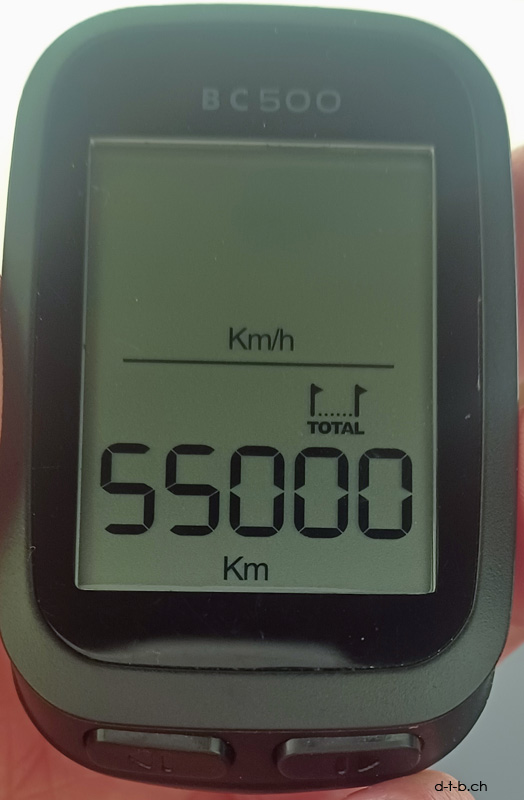


55.000 km
DB: Half a day was enough for the Slavery Museum and a few historical sights. In the afternoon, I cycled back to Portimão to collect my new part. When I arrived at 5 pm, nothing had been made, but they quickly milled it out of a metal plate and bent the angle into it. As it is made of carbide but not hardened, they cannot guarantee how long it will last. However, he was willing to make me a replacement part on Monday. That’s why I stayed in Lagos over Easter. I explored the rugged cliffs, sunbathed on the beach and produced two sketches whilst doing so.
PP: Did you receive an additional replacement part?
DB: As agreed, I was back there on Monday morning and the craftsman had the machines running. He made not one, but three pieces for me – free of charge – and wished me a safe journey. In high spirits, I cycled back along the route I’d come to know well and planned to finally set off again the next day after a week’s break.
PP: What got in the way?
DB: After a spell of sunny weather, the tide turned and the forecast was for rain for the foreseeable future. I waited out a rainy day and finally set off again on 8 April. First, I crossed a range of hills to reach the west coast of Portugal. Surprisingly, I made better progress than I’d expected, so I took a detour to a beach at the foot of some steep cliffs. The tide covered the sandy beach, so I retreated to the rocks to watch the crashing waves. I then passed through Odeceixe and arrived at the campsite in São Miguel.
PP: What were you celebrating there?
DB: Right at the entrance, I hit 55,000 km! I pitched my tent and stayed for two nights, as rain was forecast for the following day. No sooner had it dried up than I set off, taking side roads that ended at a roadworks site. As I turned onto the bypass, Markus from Lucerne caught up with me and bombarded me with questions. He and his wife have been travelling through Europe in a motorhome for two years. The detour road was incredibly bumpy. Zigzagging along the side roads, I reached the turn-off for the campsite. I stopped shortly afterwards to make sure I’d taken the right dirt track, when there was a loud bang behind me. A car had stopped at the entrance and a van had rammed into its rear. Luckily, I was a bit further away. I bumped my way over the potholes to the campsite, where I pitched my tent next to two others of the same brand.
PP: Were they Canadians?
Cork oaks
DB: You guessed right. A Canadian family is setting off on the Fisherman's Trail, which leads all the way to Lagos. In the morning, I said goodbye to the family and cycled off towards Sines. Before I reached the town, I met a Canadian couple from Québec cycling towards me. I told them about the coastal road that had been washed away just opposite the campsite. I’d got the information from other cyclists who’d seen my Solatrike in Morocco and are now further north. I swapped information with the Canadians and we noticed that the woman was wearing the same Buff from New Zealand as me. My route took me round Sines, where the industrial estates are, and then up to Santiago do Cacèm. A castle sits enthroned on the hill above the town. The cobblestones gave me a jolt and the road took me higher and higher until, from another hilltop, I was level with the castle. I cycled up and down through the countryside, which is dotted with cork oak plantations – the oldest in the country. The area is more varied than the coastline. I pitched my tent at a campsite in the countryside and waited out the windy weather.
PP: You’d planned to spend more days here. Why did you move on after two nights?
DB: I’d intended to find a cosy spot in the nature to continue composing my songs. Unfortunately, it was so windy and cold that I lost the desire to do so. It was certainly secluded, far from traffic, but not cheap, and I can freeze somewhere else just as well. I cycled through the tree plantations and reached the motorway. In light rain, I crossed Grândola and, following a dead-straight country road, arrived in Alcácar do Sal. But just before the town, there was a general no-entry sign. I turned off and found myself back on the main road, which led over a bridge. Half the bridge was closed for renovation work. Not my problem if the cars pile up behind me. I reached the town from the other side, which spared me a few steep climbs. The small municipal campsite charges just €8.50 with electricity, so I stayed here for two nights.
PP: What’s special about this place?
DB: I visited the archaeological museum with its finds from various periods. The site has been inhabited since the Iron Age. I also took the opportunity to do some laundry again.
PP: What are the roads like in Portugal?
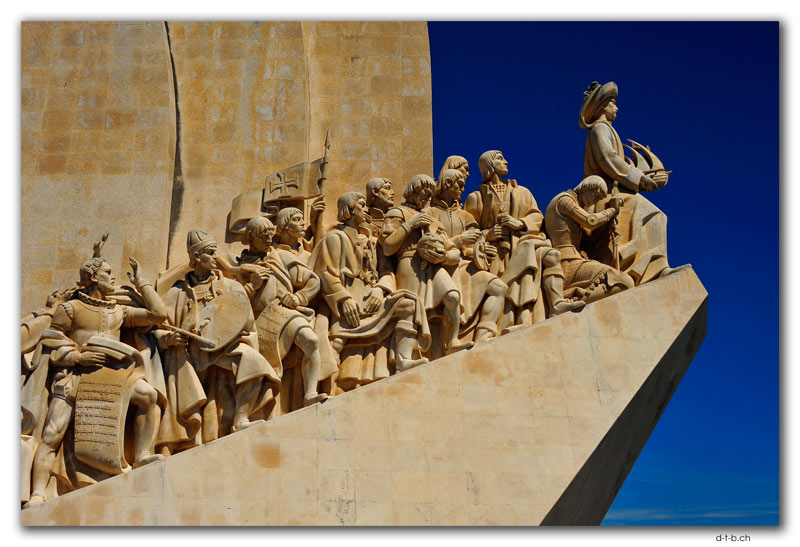
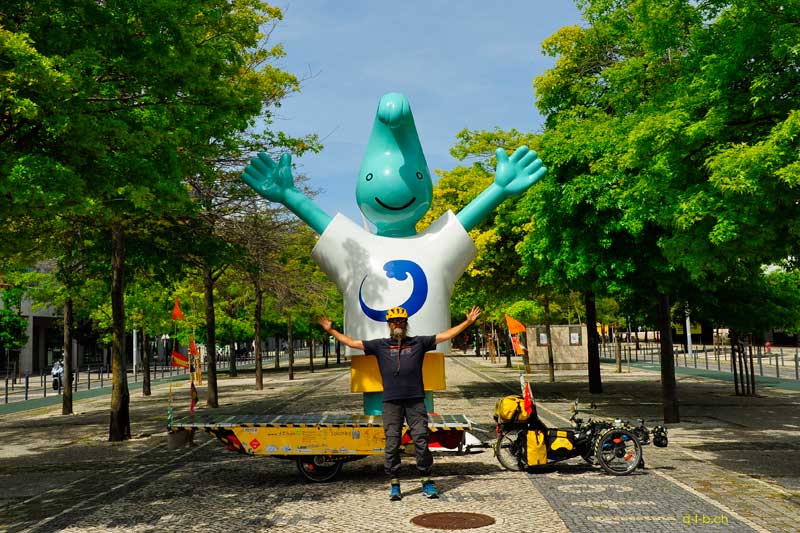
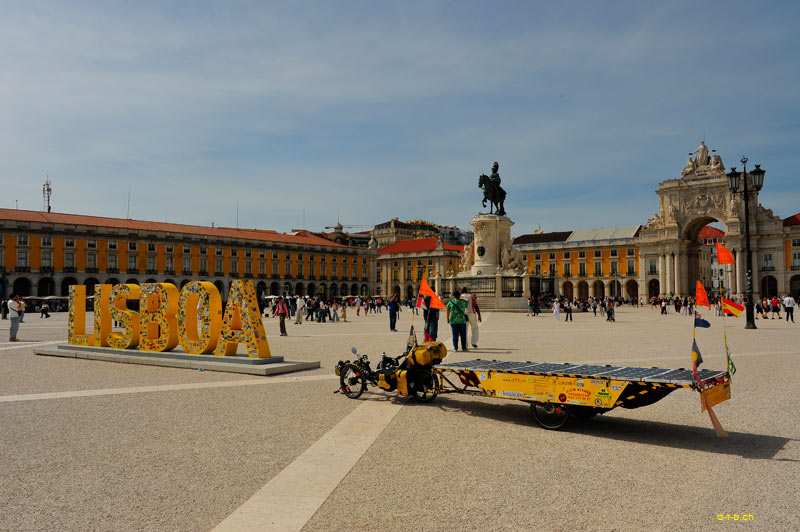
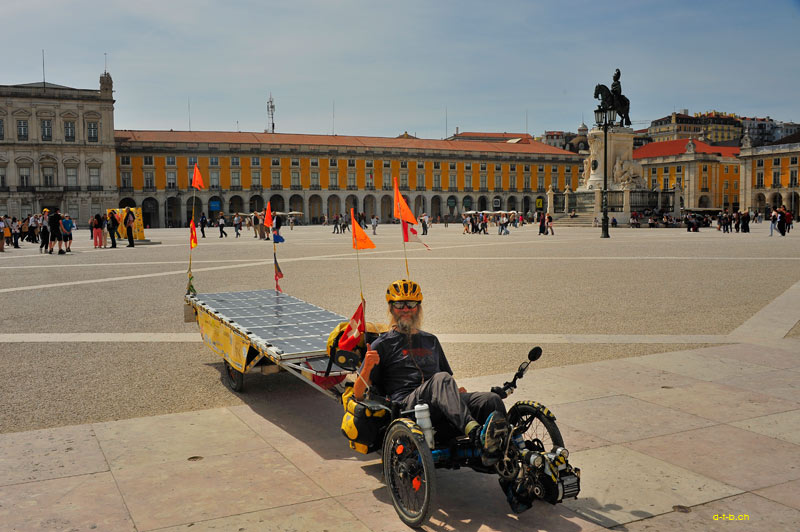


Lisbon
DB: In places, they’re a disaster. Patch upon patch, pothole after pothole, cracks and missing tarmac. I suppose it gets down to minus 40°C in winter here, just like in Canada. No? Oh, right, then it must be something else. The country roads are teeming with lorries that don’t want to use the motorway, for whatever reason. At times, the road surface is so dreadful that I can only rumble along at walking pace.
PP: Yet you still ventured on a 100km ride to Lisbon?
DB: I had no other choice. I set off from Pinhal Novo at ten o’clock; the first roads were bumpy again, but after that I made good progress. By 11 o’clock I’d cycled 25km and was pedalling hard. After two hours I reached 50km near Vila Franca de Xila and from then on, the road headed south again.
PP: Why did you take such a long detour?
DB: Because the two bridges are motorways, and I can’t get my trike onto the ferries – they’re only for passengers. I cycled for another hour and took a break at 1 pm after 70 km. Refreshed, I set off again an hour later. I had just reached the city of Lisbon and one red light followed another; the cobblestones and confusing street layout were getting to me. I bumped over tram tracks, patches and potholes. I had to get my orientation several times. It was gruelling and seemed endless. At the end, a steep climb to the campsite awaited me. I arrived at six in the evening. It took me a full four hours to cover the 30 km through the city.
PP: Which sights did you visit in Lisbon?
DB: I went from one art museum to the next, though I didn’t visit them all. Most places no longer accept cash, so I slipped away again. I strolled through the streets packed with thousands of other tourists and sprinted briefly to the other side. Then a pain shot through my left calf again. The same muscle had torn again or hadn’t healed properly. In any case, the whole thing starts all over again. I hobbled to the bus station, but not even the bus driver would take my coins. At the station, I bought a multi-day ticket and from then on, I took my walking stick with me as a support on my trips into the city. I felt like Dr. House, just without his intelligence.
PP: We’ll tell more stories about Lisbon and the subsequent journey through Portugal in the next blog.



PDF-Document for download and print.


Write a comment
Kurt Hostettler (Monday, 11 May 2026 16:36)
Hallo David
Sehr interessant was so alles in Brüche gehen kann, doch kennst du ja alles mögliche was du schon selbst repariert hast oder musste.
Auch deine Fahrwege sind nicht alle fein säuberlich gepflästert. Mit der Wadenverletzung kommt noch ein neues Gebrechen hinzu, was du sicher auch schon mehrmals erleben musste.
Mit meiner Gesundheit geht's auch wieder aufwärd's, die Medizin schreibt da zwischen 3 - 6 Monate musst du rechnen und so wäre ich bei Halbzeit auf gutem Wege.
Die Abreise nach Marakkesch steht auch vor der Türe, fliege ich am 22. Mai - 28. Mai und hoffe doch auf einigermassen schönes Wetter.
Dir wünsche ich vor allem keine weiteren Schäden und Verletzungen. Gute Gesundheit und viel Spass durch Spanien.
Mit lieben Grüssen
Kurt