Ecuador + Galapagos
(12. Oktober – 9. November 2025)
(Geschrieben von Flinke Feder vom 29. Oktober – 5. November 2025, redigiert vom grün gefiederten Papageienvogel; dem Ara,)
(Die Red.) Die Reise ohne Solatrike wird mit einem Umweg nach Südamerika weitergeführt, bis das Solatrike in Spanien ankommt. Packende Geschichten werden im Reisemagazin «Leise Reisen» erzählt.
Ecuador + Galapagos
(October 12. – November 9. 2025)
(Written by Power Pen from October 29. – November 5. 2025, edited by the green-feathered parrot bird, the macaw)
(The editors) The journey without the Solatrike will continue with a detour to South America until the Solatrike arrives in Spain. Exciting stories are told in the travel magazine "Gravel Travel".


Ankunft in Ecuador
Flinke Feder (FF): Wie bist du in Ecuador angekommen?
David Brandenberger (DB): Enorm übermüdet. Wegen eines Generalstreiks waren einige Strassen gesperrt und wir mussten einen Umweg fahren, damit wir überhaupt aus Quito hinauskamen. Der Husten setzte mir weiterhin zu und ich schlief die letzten Nächte nicht durch. Darum war ich auf der Fahrt so müde, dass ich nur vor mich hindöste. Beim Haus in San Miguel de Los Bancos begrüsste ich einzig kurz meine Mutter, die seit drei Monaten hier zu Besuch ist, und fiel todmüde ins Bett.
FF: Konntest du hier entspannen?
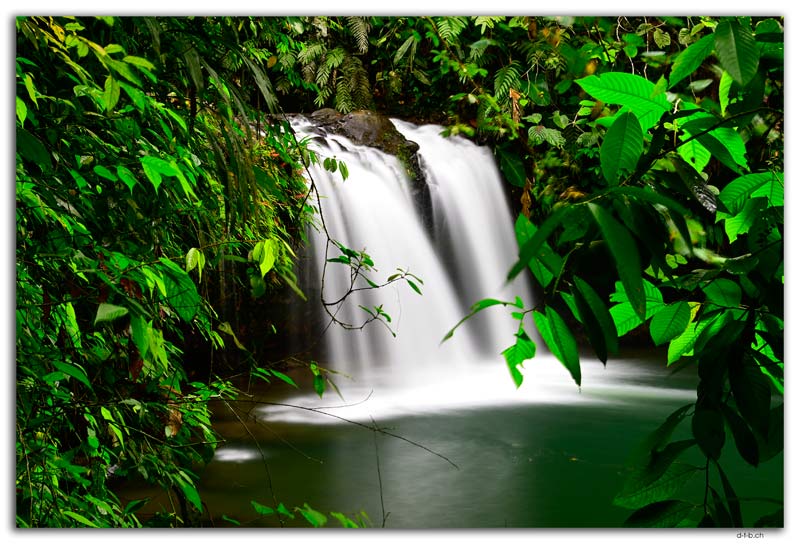
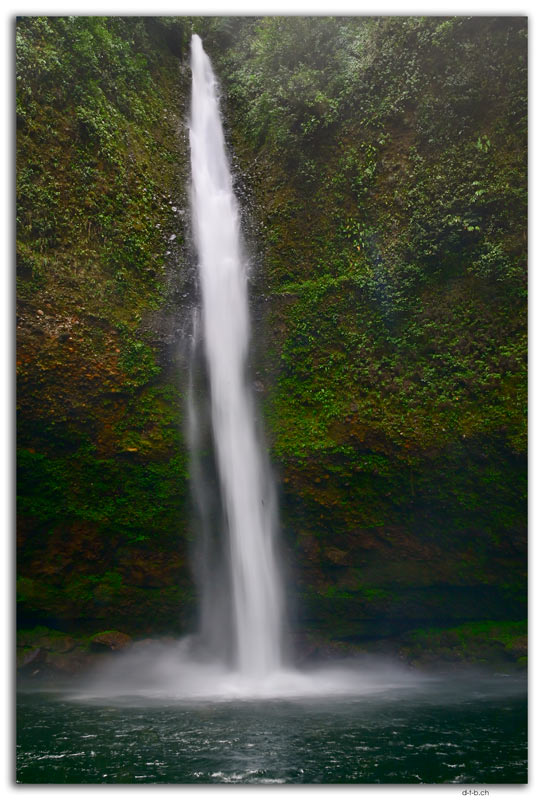
DB: Ein grüner Ara aus dem Amazonas ist hier in einem Baum zuhause. Den las ein Arbeiter von Margarita auf der Strasse auf, weil er womöglich ausgesetzt worden war. (Das bin aber nicht ich!) Halt die Klappe Ara! Am ersten Tag brauchte ich eine neue SIM-Karte und den Geldnachschub regelte ich mit der Bank. Nachmittags kauften wir Blumen ein, die wir in den Garten pflanzten. Am zweiten Tag nahm Camilo, der Bruder Margaritas, mich und meine Mutter mit zum nächsten Ort, wo wir den Wasserfall Helecho besuchten.
FF: Wohin ging es am dritten Tag schon wieder weiter?
DB: Mein Bruder organisierte ein günstiges Last Minute Angebot zu den Galapagos-Inseln und darum nahmen wir den Bus nach Quito, um am nächsten Morgen früh genug beim Flughafen zu sein. Wir flogen via Guayaquil nach San Cristobal. Da wir am Nachmittag nichts vor hatten, schlug uns Jonathan, der Taxifahrer, eine Ausfahrt über die Insel vor. Wir stiegen zur Caldera vom Vulkan Junco hinauf, in dem sich ein Süsswassersee befindet. Normalerweise hängt der Nebel so tief, dass der See sich darin versteckt, doch bei unserer Ankunft lichtete er sich etwas und wir sahen bis auf die andere Seite des Sees.
FF: Was erlebtet ihr weiterhin?


Galapagos
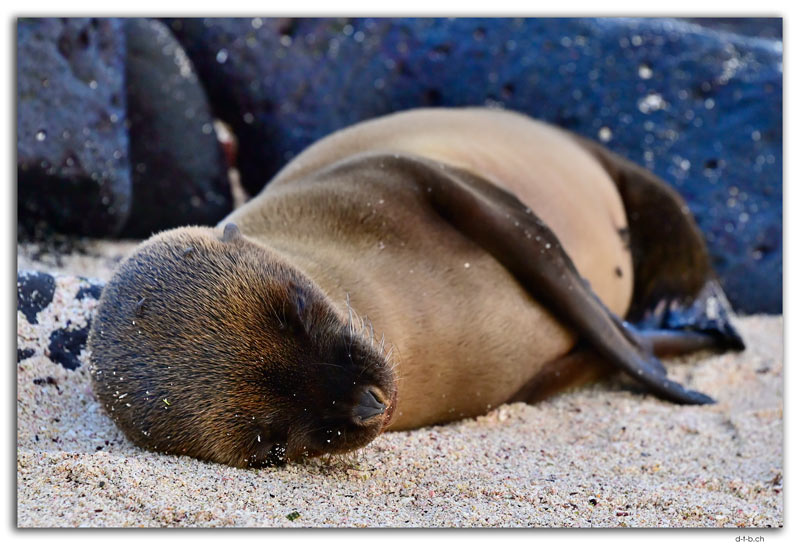
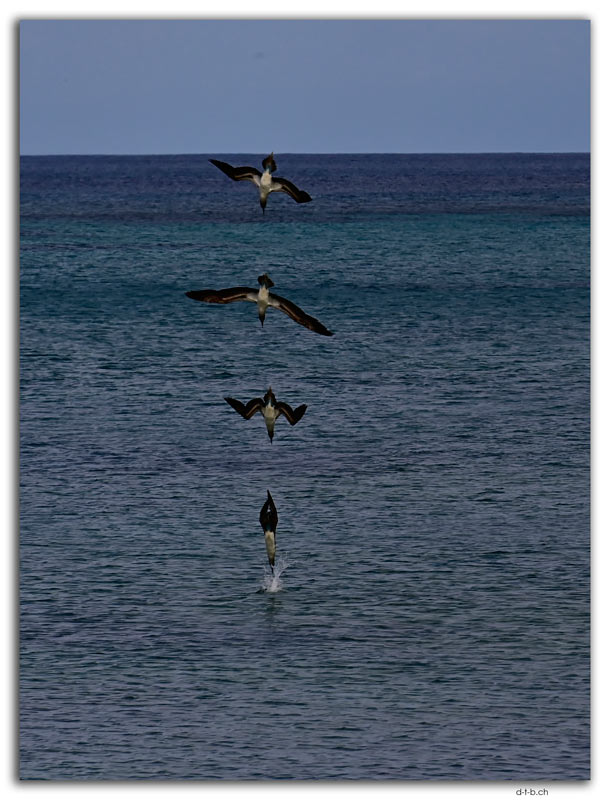
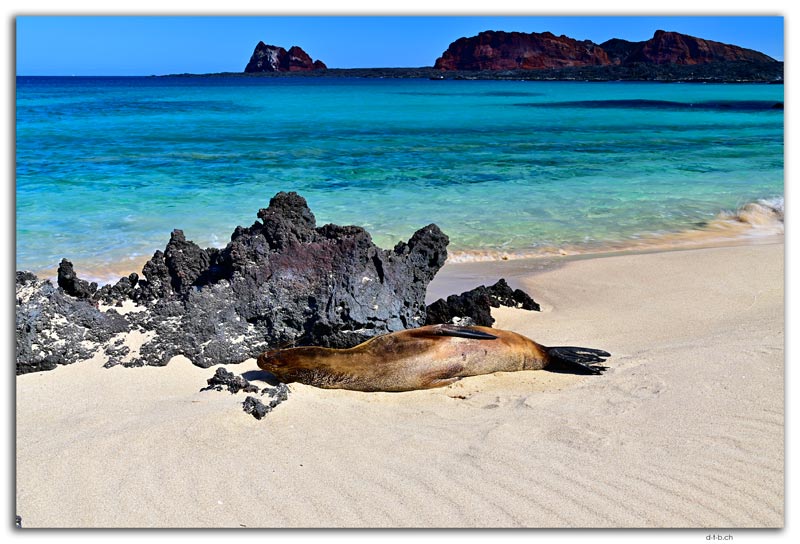
DB: Der nächste Halt war bei einer Riesenschildkröten-Aufzuchtstation. Neben dem Rundweg durch das weitläufige Gehege entdeckten wir einige der grossen Landschildkröten und dazu die Kleinen in den abgezäunten Rayons. Zum Abschluss wanderten wir zum Puerto Chino Strand. Dort aalten sich Seelöwen in der Sonne und Blaufusstölpel stachen in die See, um zu fischen. Der erste Nachmittag bescherte uns reiche Eindrücke. Abends bezogen wir ein Zimmer in einem Hostel an der Strandpromenade. Ein entfernter Verwandter Margaritas hätten wir gerne im Ort besucht, doch er weilte momentan in Guayaquil.
FF: Wann fing die Tour an?
DB: Wir trafen um Mittag des 17. Oktobers beim Pier ein und wurden auf dem Schiff mit einem Mittagessen verwöhnt. Derweil lernten wir die übrigen Leute der Reisegruppe kennen. Neben uns trafen wir weitere drei Schweizer. Flo und Laura reisten seit drei Monaten durch Mittel- und Südamerika und gabelten dabei Armon aus Davos auf, der seit neun Monaten unterwegs ist. Ein südafrikanisches Paar, das in die Schweiz emigrierte, machte die Schweizergruppe komplett. Zwei Paare kamen aus Kalifornien, eines aus England und ein Professor aus Michigan rundete das Team ab. Auf Anhieb verstanden wir uns alle glänzend.
FF: Stand am Nachmittag eine Besichtigung auf dem Programm?
DB: Wir wurden per Bus zu der Schildkrötenfarm gefahren, die wir nochmals besichtigten. Diesmal mit informativen Erklärungen. Über Nacht schipperten wir zur Insel Española. Die Crew brachte uns im Schlauchboot zum Gardiner Strand, wo Seelöwen sich ausruhten und kleine Echsen über den Sand huschten. Vor dem Mittagessen gab es die Möglichkeit zu schnorcheln. Da ich ohne Brille nicht weit sehe und mich weiterhin hartnäckiger Husten plagte, liess ich das sein. Mein Bruder war dafür fasziniert.
FF: Was erwartete euch nachmittags?
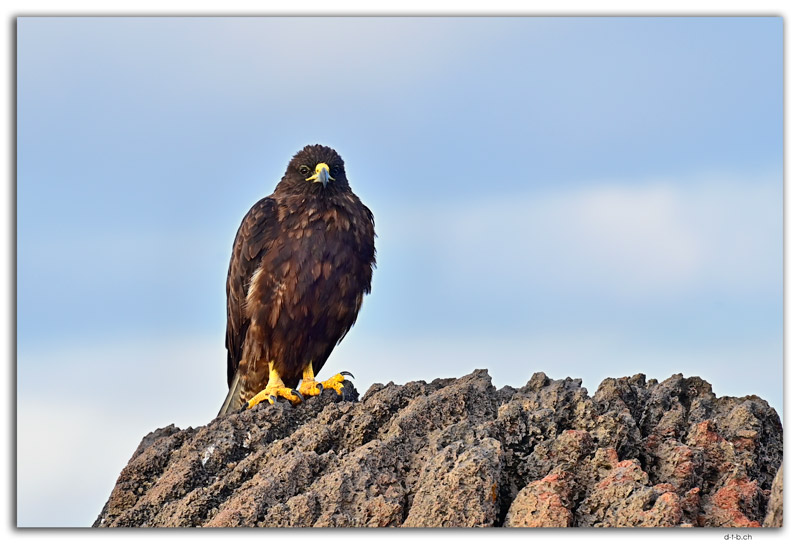
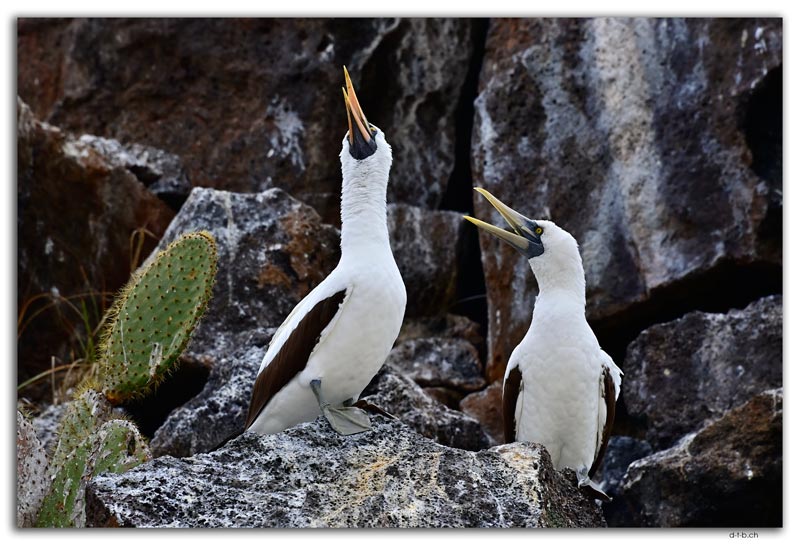
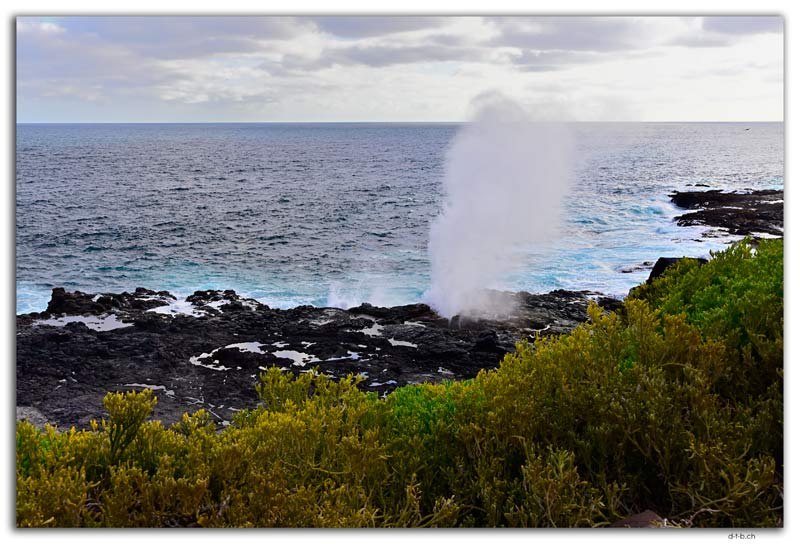
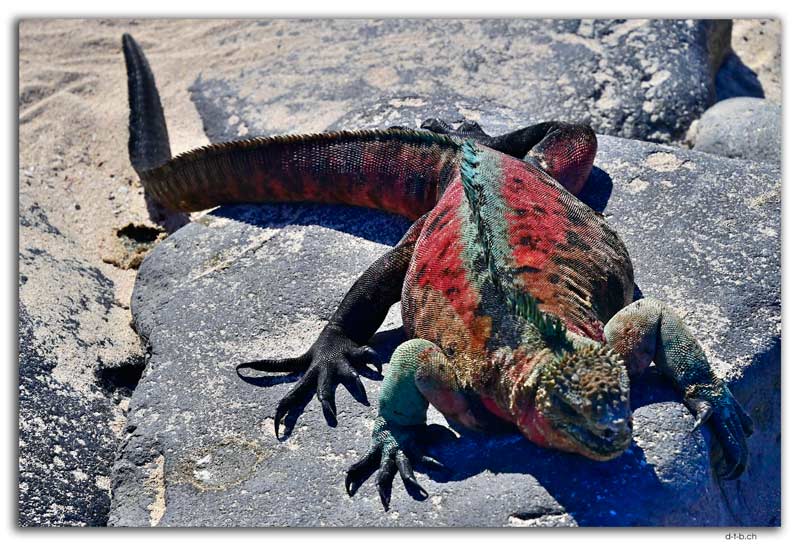
DB: Einen Landausflug bei Punta Suarez mit bunten Meeresechsen, Seelöwen, Nazcatölpel, Albatrossen, Galapagos Taube, Falken, Blaufusstölpeln und einer natürlichen Wasserfontäne. Nach dem Abendessen waren wir von den immensen Eindrücken so gesättigt, dass wir früh ins Bett fielen. Das war zudem der beste Ort die weitere Überfahrt zur nächsten Insel zu verbringen.
FF: Wo seid ihr aufgewacht?


Wundervolle Natur
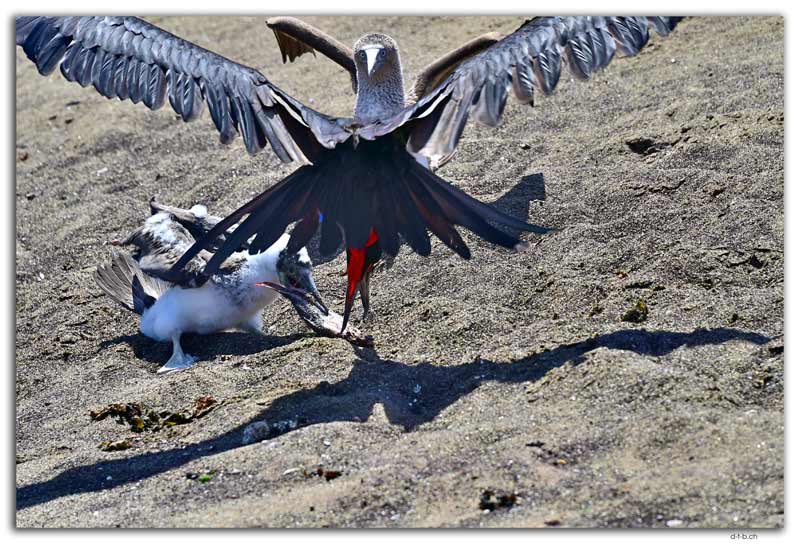
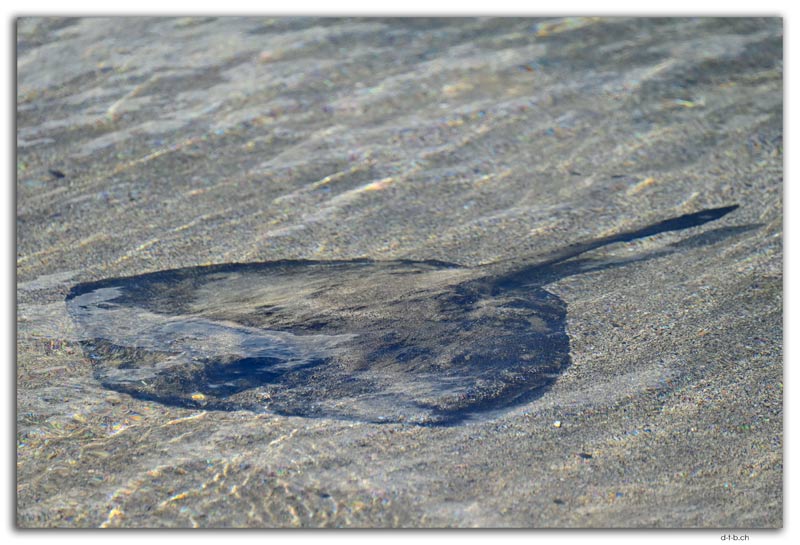
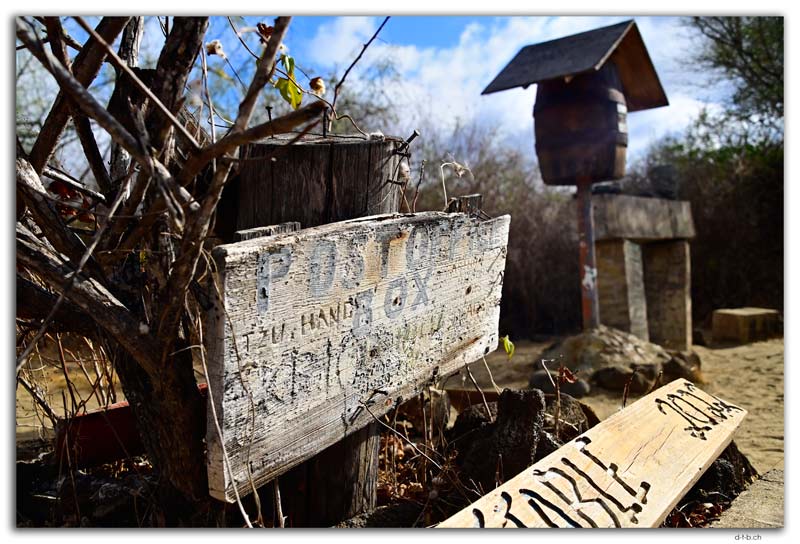
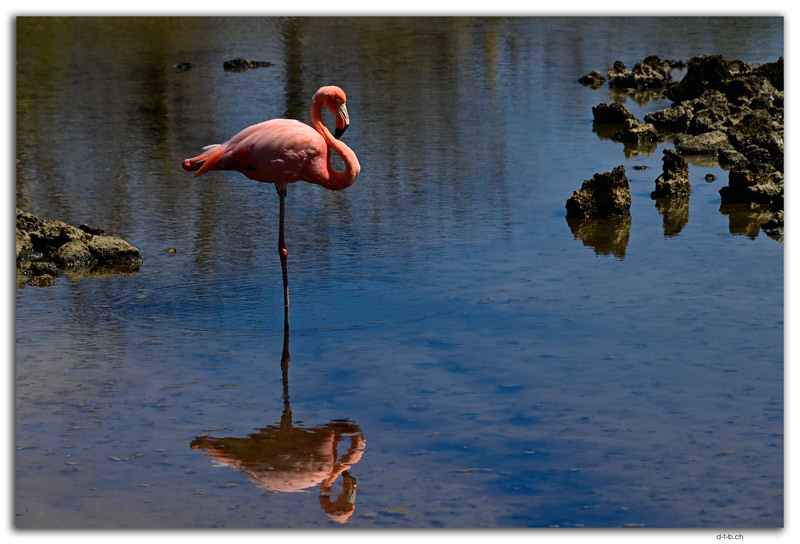
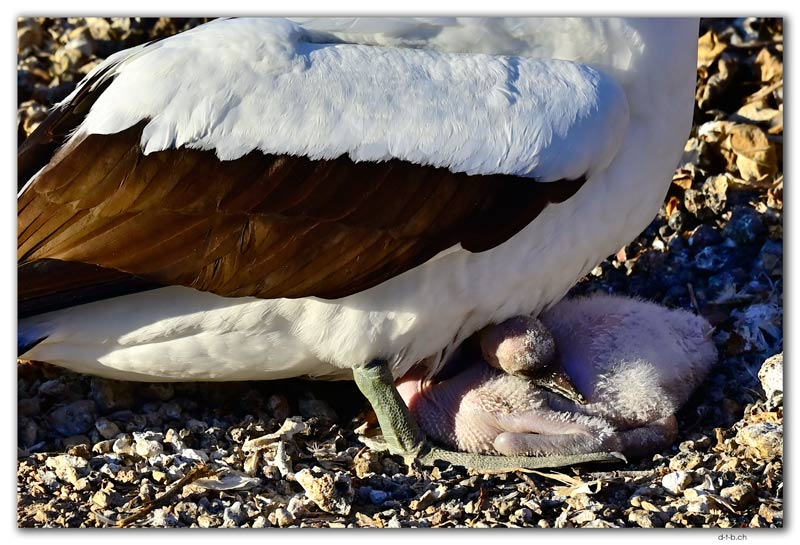
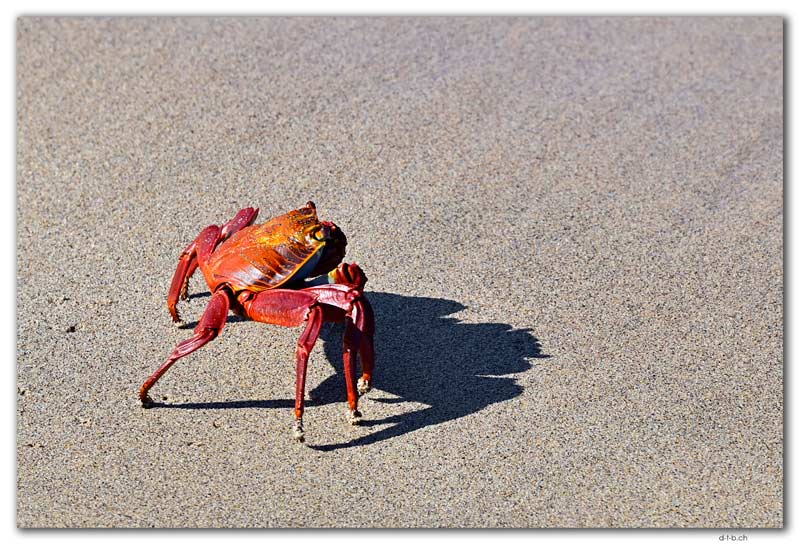
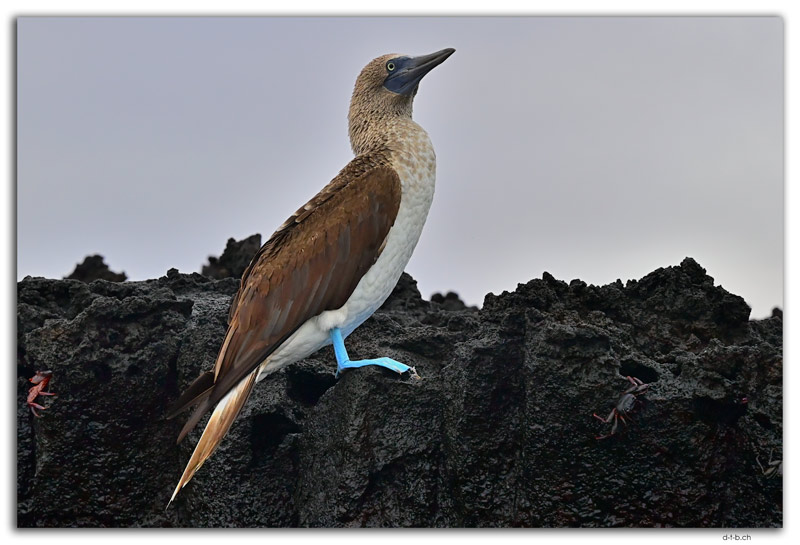
DB: An der Küste der Insel Floreana. Hier wanderten wir bei Punta Cormorant zur Lagune, wo wir weit entfernt einige Flamingos erblickten. Beim Oststrand genossen wir die Aussicht, etliche bunte Krabben und Blumen am Wegrand. Zurück beim Weststrand erlebten wir die Fütterung von jungen Blaufusstölpeln und wie ein Fregattvogel dabei versuchte den Fisch wegzuschnappen. Nach der Mittagssiesta trafen wir beim Post Office Bay ein, um die Postkarten im Fass zu durchstöbern, ob wir allfällig eine der Postkarten zum Empfänger bringen könnten. Am Strand erspähten wir einen Rochen im seichten Ufer und Blaufusstölpel in der Luft. Gegen Abend stieg ich mit einigen aus der Gruppe ins Kajak und erkundete die Bucht von da aus. Wir entdeckten Seelöwen, Rochen, Schildkröten und sogar Riffhaie.
FF: Plagte dich Muskelkater am nächsten Tag?
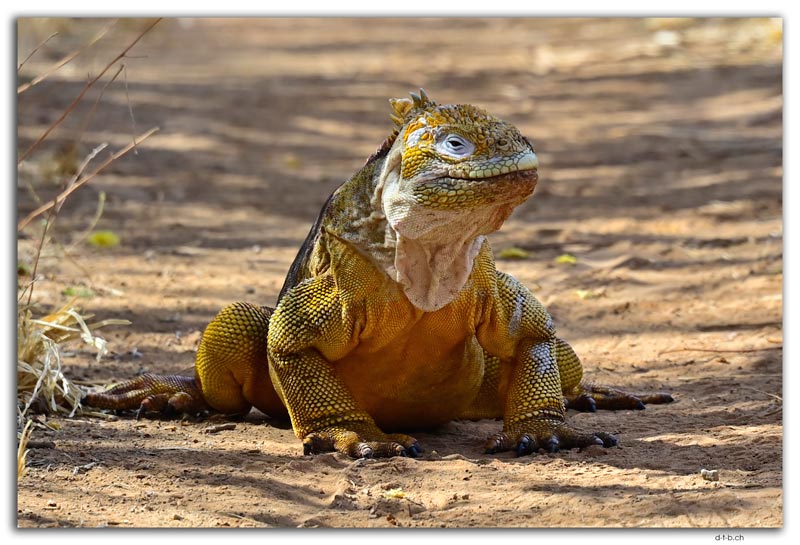
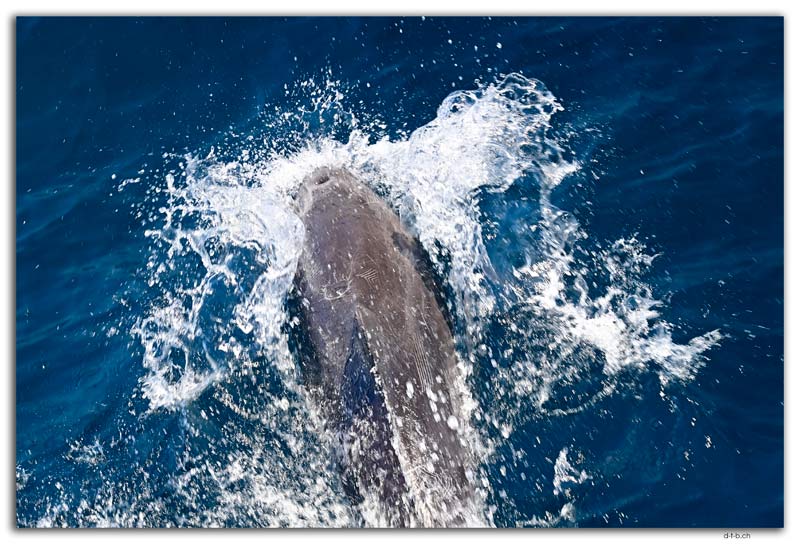
DB: Das erwartete ich, doch überraschenderweise blieb der aus. Wir wanderten bei Santa Cruz Island zum Drachenhügel hoch und begegneten dabei grossen Landechsen, skurrilen Kakteen und einem einsamen Flamingo. Auf der Weiterfahrt begleiteten uns ein paar Delfine in der Bugwelle. Wir landeten in der Sullivan Bay bei der Insel Santiago, gleich gegenüber der Insel Bartolomé mit dem charakteristischen Pinnacle Rock. Beim Schnorcheln traf Urs das Glück, mit einer ganzen Familie Seelöwen zu schwimmen.
FF: Was war speziell beim nächsten Landausflug?
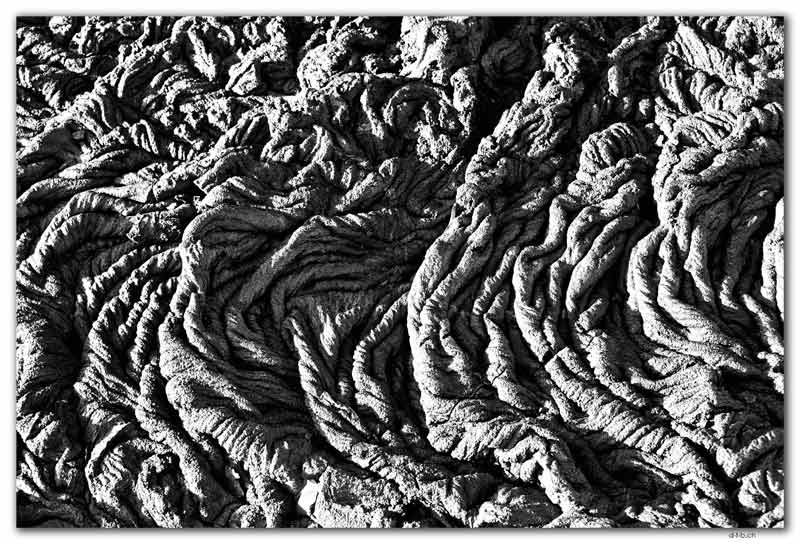
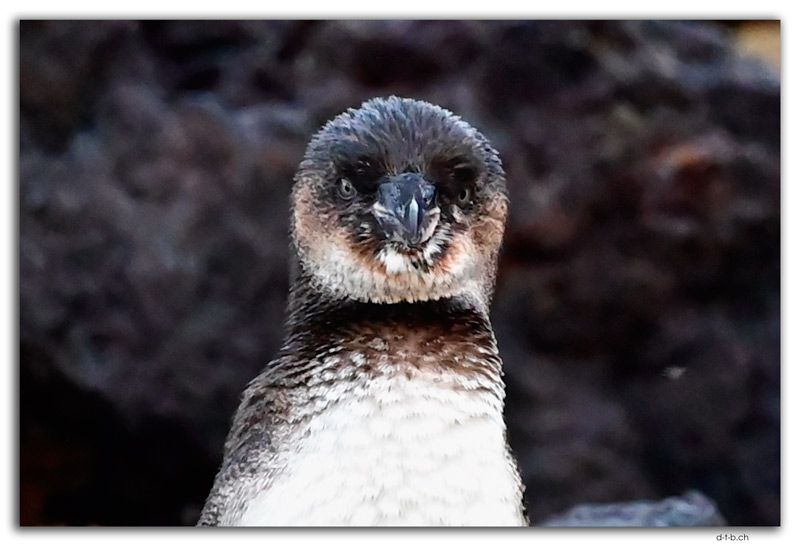
DB: In den späten Nachmittagsstunden beleuchtete das Licht das Lava Feld, sodass die Strukturen phänomenal zur Geltung kamen. Ein besseres Lava Feld wie hier ist schwer zu finden. Die Lavaformationen, Pahoehoe genannt, luden zu bezaubernden Fotomotiven ein. Bei der Rückfahrt zum Schiff brachte uns ein Abstecher zur Küste der Insel Bartolomé, wo Galapagospinguine aus dem Meer stiegen.
FF: Welche Insel besuchtet Ihr am nächsten Tag?
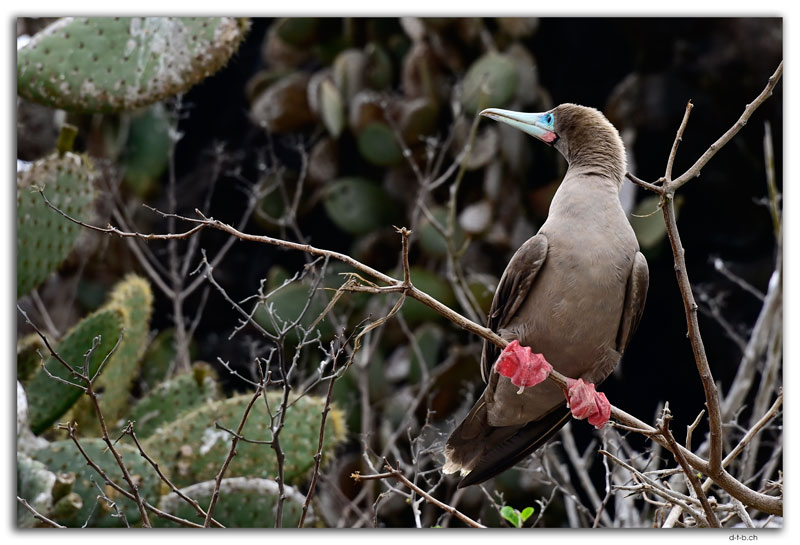
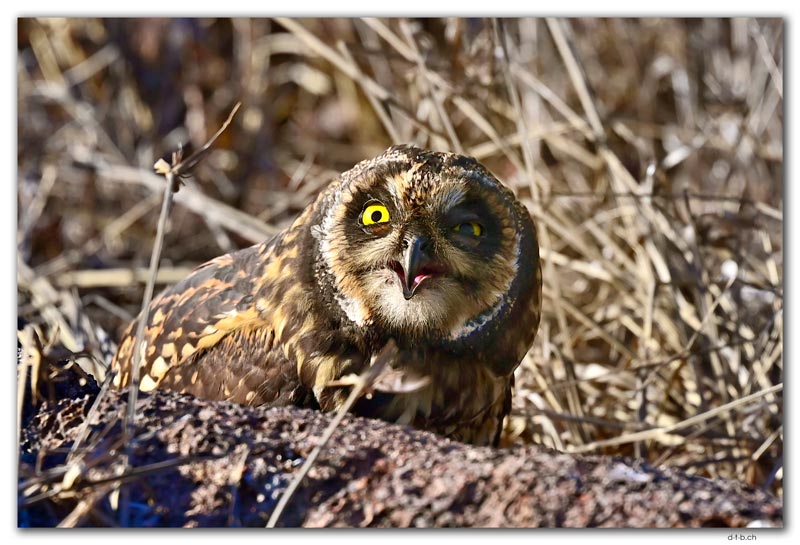
DB: Die Insel Genovesa liegt weit im Norden und wird seltener von den Touren angefahren. Frühmorgens erhielten die Schnorchler die Chance Hammerhaie, Rochen und Schildkröten zu entdecken. Der Landausflug brachte uns durch die Vogelkolonien mit Rotfusstölpeln, Tropenvögeln, Fregattvögeln, Kormorane und Tauben. So viele Vögel an einem Ort. Der Nachmittagsausflug führte uns eine steile Treppe hoch durch weitere Vogelkolonien der diversen Tölpelarten. Das Glück stand uns bei und wir sichteten die perfekt getarnte Kurzohreule gleich neben dem Weg.
FF: Welches herausragende Erlebnis wartete am letzten Morgen auf euch?


San Miguel de Los Bancos
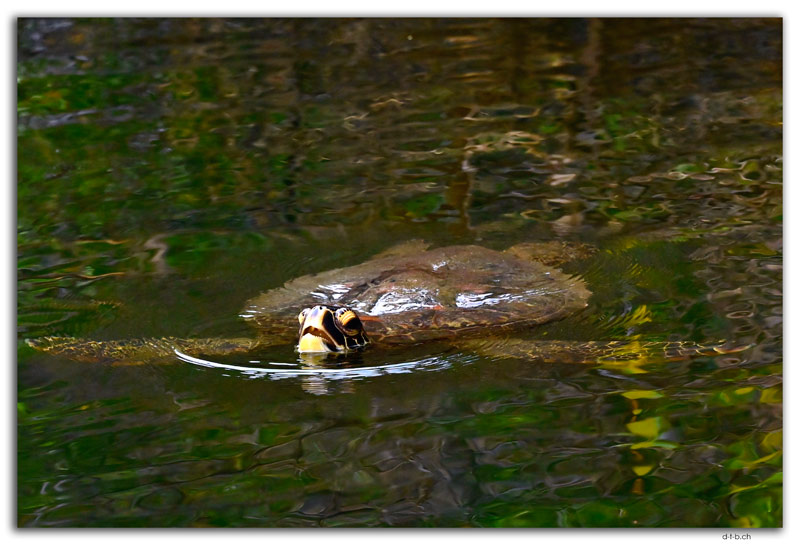
DB: Vor dem Frühstück bestiegen wir das Schlauchboot und fuhren damit zu den Mangroven der Insel Santa Cruz. Dabei entdeckten wir diverse Meeresschildkröten, Rochen und Riffhaie. Kurz nach dem Frühstück betraten wir die Insel Baltra und verabschiedeten uns vom Schiff. Die Schaukelei im Kopf blieb weiterhin einige Tage, da die letzte Fahrt gegen die Strömung beträchtlich ruppig war.
FF: War damit das Galapagos-Abenteuer beendigt?
DB: Wie die Zeit verrinnt! Für mich war es wieder ein einmaliges Erlebnis, da ich andere Inseln, wie vor 30 Jahren ansah. Für Urs, der schon zum fünften Mal Galapagos besuchte, war nur Genovesa neu. Die ganze Reise war ein Hit. Das stabile Schiff, die nette Crew, der witzige und gut ausgebildete Guide und die Organisation dahinter. Gegessen hatten wir lange nicht mehr so lecker und staunten, wie der Koch das in seiner kleinen Küche zustande brachte. Es war eine intensive Zeit mit enormen Eindrücken, das keine Wünsche übrigliess.
FF: Wie verarbeitest du die Eindrücke?
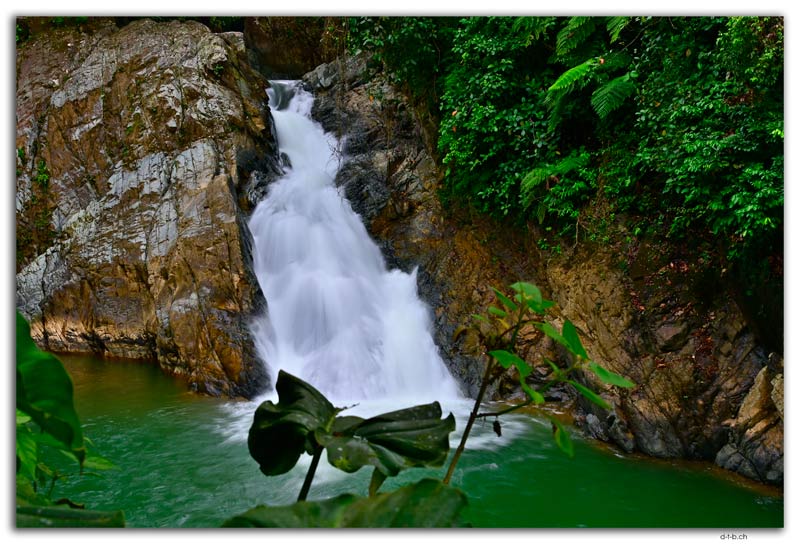
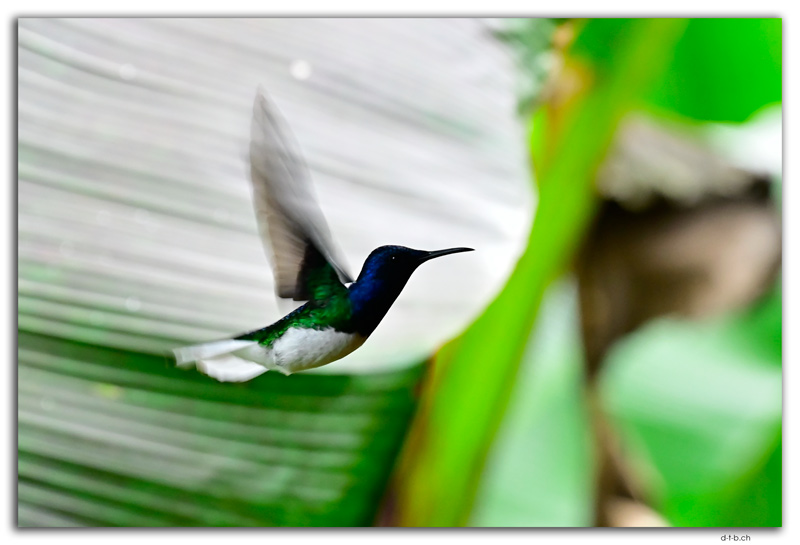
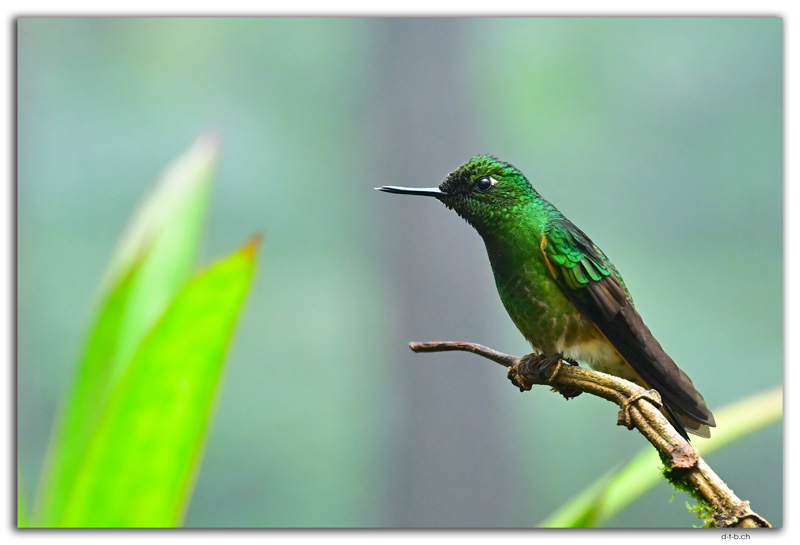
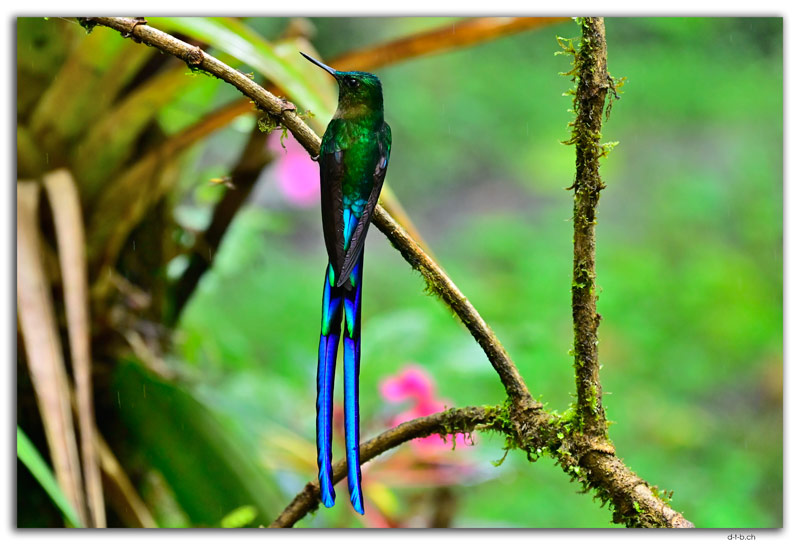
DB: Zurück in Los Bancos lud ich alle Fotos und Filme auf den Laptop herunter und fing an zu bearbeiten. Diese Arbeit zog sich wegen der schieren Menge auf die weiteren Tage hinaus. Zwischendurch standen Ausflüge an. Camilo brachte mich und meine Mutter zu einer Kolibrifarm in Mindo, wo wir andere Kolibriarten als in Los Bancos mit Zuckerwasser fütterten. Am Samstag fuhren mein Bruder und ich mit Camilo zum 100m hohen Tatala Wasserfall, der in einer anstrengenden Wanderung mit 800 Höhenmetern durch den Dschungel erreichbar ist. Camilo und ich sprangen kurz ins kalte Wasser beim Wasserfall, bevor wir den gleichen Weg wieder hinaufstiegen.
FF: Habt ihr ebenfalls einen Ausflug mit der ganzen Familie unternommen?
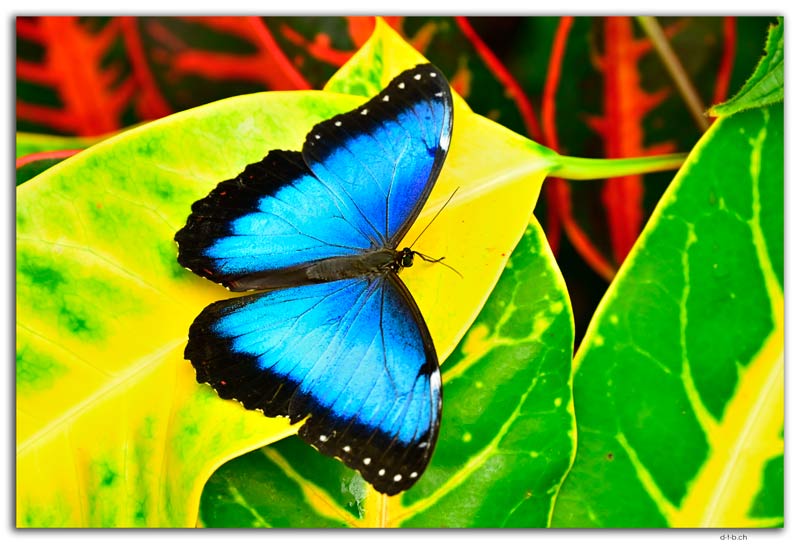
DB: Montags fuhren wir alle nach Mindo und besuchten die Schmetterlingsfarm. Ich sah mich kaum satt an den vielen Sommervögeln. Anschliessend brachte uns ein Jeep weit in die Berge hinauf, wo wir eine Fahrt in einer selbst gezimmerten Seilbahn über das Tal hin und her machten. Ein aufziehendes Gewitter hielt uns ab von der Wanderung zu den Wasserfällen und wir warteten den Regenguss in einer Schokoladenfabrik ab.
FF: Was nervte dich?


Wiedersehen
DB: Kaum wollten wir los, traf eine Mail von meiner kanadischen Spedition ein. Ich bräuchte innert 24 Stunden eine Vermittlung in Spanien zu finden, die als Empfängeradresse für mich fungiert. Die hätten einen Monat Zeit und jetzt hetzen sie plötzlich. Vor allem, da in Spanien schon nachmittags war. Zum Glück schrieb eine der drei angefragten Agenturen zurück und ich leitete alles binnen des Ausfluges weiter nach Kanada.
FF: Gab es ein Wiedersehen?
DB: Am Abend trafen die drei jungen Schweizer Reisenden bei uns ein, die wir auf dem Schiff kennenlernten. Nächsten Tags zogen wir zusammen durch den Wald zum Ort, wo Margarita ein Retreat anbietet. Am Nachmittag sprangen wir alle rasch ins Becken vor der Cascada del Amor.
FF: Welcher Abschied stand kurz darauf vor?
DB: Mein Bruder und meine Mutter reisten zurück in die Schweiz und ich musste mich von ihnen verabschieden.
FF: Plantest du deine Weiterreise?
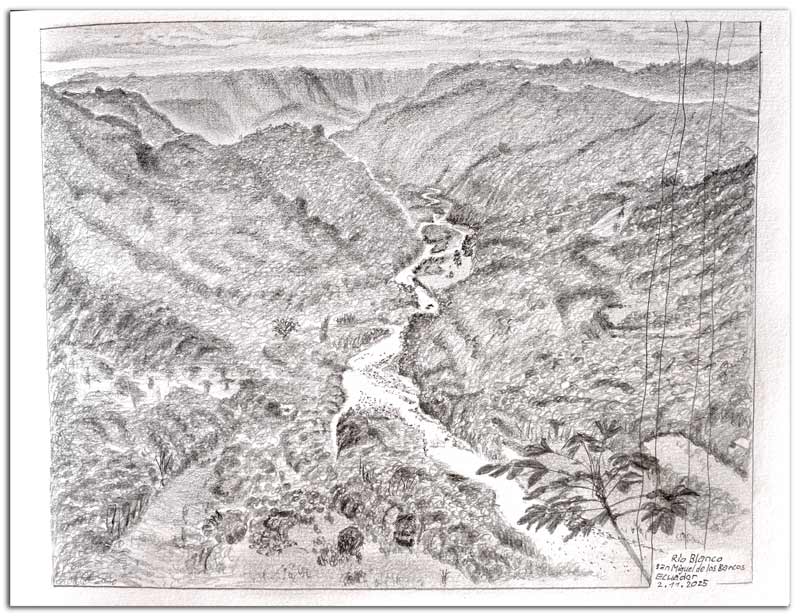
DB: Erst nutzte ich die Zeit, alle Fotos und Filme zu bearbeiten, die Blogs zu schreiben und vorzubereiten und an einem heiteren Morgen setzte ich mich an den Abgrund und skizzierte den Rio Blanco. Ich brauchte drei Stunden für die Skizze, wegen des grossen Waldes. Kaum war ich fertig, schüttete es aus vollen Rohren, Die restliche Zeit verbrachte ich haareraufend vor dem Laptop und verzweifelte fast bei dem Versuch meine weitere Reise zu planen. Einige unbrauchbare Webseiten zehrten an meinen Nerven.
FF: Bevor wir die unserer Leser überspannen, setzen wir hier den Schluss und erzählen von deiner weiteren Reise im nächsten Blog.

PDF-Document for download and print.
Passende Links dazu:


Entry to Ecuador
Power Pen (PP): How did you arrive in Ecuador?
David Brandenberger (DB): Extremely tired. Due to a general strike, some roads were closed and we had to take a detour to get out of Quito. My cough was still bothering me and I hadn't slept through the night for the last few nights. That's why I was so tired on the journey that I just dozed off. When we arrived at the house in San Miguel de Los Bancos, I only briefly greeted my mother, who has been visiting here for three months, and fell into bed, exhausted.
PP: Were you able to relax here?
DB: A green-feathered macaw from the Amazon has made its home in a tree here. One of Margarita's workers picked it up on the street because it had probably been abandoned. (But that isn't me!) Shut up Macaw! On the first day, I needed a new SIM card and sorted out my money supply with the bank. In the afternoon, we bought flowers and planted them in the garden. On the second day, Camilo, Margarita's brother, took me and my mother to the nearest town, where we visited the waterfall Helecho.
PP: Where did you go on the third day?
DB: My brother organised a cheap last-minute deal to the Galapagos Islands, so we took the bus to Quito to be at the airport early enough the next morning. We flew via Guayaquil to San Cristobal. Since we had nothing planned for the afternoon, Jonathan, the taxi driver, suggested a trip around the island. We climbed up to the caldera of the Junco volcano, which has a freshwater lake inside. Normally, the fog hangs so low that the lake is hidden from view, but when we arrived, it cleared a little and we could see all the way to the other side of the lake.
PP: What else did you experience?


Galapagos
DB: The next stop was at a giant tortoise breeding station. In addition to the circular trail through the extensive enclosure, we discovered some of the large tortoises and the small ones in the fenced-off areas. Finally, we hiked to Puerto Chino beach. There, sea lions basked in the sun and blue-footed boobies dived into the sea to fish. The first afternoon left us with a wealth of impressions. In the evening, we checked into a room in a hostel on the beach promenade. We would have liked to visit a distant relative of Margarita's in the village, but he was currently in Guayaquil.
PP: When did the tour start?
DB: We arrived at the pier at noon on 17 October and were treated to lunch on the ship. Meanwhile, we got to know the rest of the tour group. In addition to us, there were three other Swiss people. Flo and Laura had been travelling through Central and South America for three months and picked up Armon from Davos, who had been on the road for nine months. A South African couple who had emigrated to Switzerland completed the Swiss group. Two couples came from California, one from England, and a professor from Michigan rounded out the team. We all got along brilliantly right away.
PP: Was there a tour on the programme for the afternoon?
DB: We were taken by bus to the turtle farm, which we visited again. This time with informative explanations. Overnight, we sailed to Española Island. The crew took us by dinghy to Gardiner Beach, where sea lions were resting and small lizards scurried across the sand. Before lunch, there was an opportunity to snorkel. As I can't see very far without my glasses and was still suffering from a persistent cough, I decided not to go. My brother, on the other hand, was fascinated.
PP: What awaited you in the afternoon?
DB: A shore excursion at Punta Suarez with colourful marine iguanas, sea lions, Nazca boobies, albatrosses, Galapagos doves, falcons, blue-footed boobies and a natural water fountain. After dinner, we were so saturated with the immense impressions that we went to bed early. It was also the best place to spend the rest of the crossing to the next island.
PP: Where did you wake up?


Wonderful nature
DB: On the coast of Floreana Island. Here we hiked to the lagoon at Punta Cormorant, where we spotted some flamingos in the distance. At the east beach, we enjoyed the view, several colourful crabs and flowers along the way. Back at the west beach, we watched young blue-footed boobies being fed and saw a frigate bird trying to snatch the fish. After our afternoon siesta, we arrived at Post Office Bay to rummage through the postcards in the barrel to see if we could deliver any of them to their recipients. On the beach, we spotted a ray in the shallow water and blue-footed boobies in the air. Towards evening, I got into a kayak with some of the group and explored the bay from there. We discovered sea lions, rays, turtles and even reef sharks.
PP: Did you suffer from sore muscles the next day?
DB: I expected to, but surprisingly, I didn't. We hiked up Dragon Hill on Santa Cruz Island and encountered large land iguanas, bizarre cacti and a lone flamingo. As we continued our journey, a few dolphins accompanied us in the bow wave. We landed at Sullivan Bay on Santiago Island, just opposite Bartolomé Island with its characteristic Pinnacle Rock. While snorkelling, Urs was lucky enough to swim with a whole family of sea lions.
PP: What was special about the next shore excursion?
DB: In the late afternoon, the light illuminated the lava field, showing off its structures to phenomenal effect. It's hard to find a better lava field than this one. The lava formations, called pahoehoe, provided enchanting photo opportunities. On the way back to the ship, we made a detour to the coast of Bartolomé Island, where Galapagos penguins were emerging from the sea.
PP: Which island did you visit the next day?
DB: Genovesa Island is located far to the north and is less frequently visited by tours. Early in the morning, snorkellers had the chance to spot hammerhead sharks, rays and turtles. The shore excursion took us through bird colonies with red-footed boobies, tropical birds, frigatebirds, cormorants and pigeons. So many birds in one place. The afternoon excursion took us up a steep staircase through more bird colonies of various species of boobies. Luck was on our side and we spotted a perfectly camouflaged short-eared owl right next to the path.
PP: What outstanding experience awaited you on the last morning?


San Miguel de Los Bancos
DB: Before breakfast, we boarded the dinghy and sailed to the mangroves of Santa Cruz Island. There we discovered various sea turtles, rays and reef sharks. Shortly after breakfast, we landed on Baltra Island and said goodbye to the ship. The rocking sensation remained in my head for a few days, as the last trip against the current was considerably rough.
PP: Was that the end of the Galapagos adventure?
DB: How time flies! For me, it was another unique experience, as I saw other islands as I had 30 years ago. For Urs, who was visiting the Galapagos for the fifth time, only Genovesa was new. The whole trip was a hit. The stable ship, the friendly crew, the funny and well-trained guide and the organisation behind it all. We hadn't eaten so well in a long time and were amazed at how the chef managed to do it in his small kitchen. It was an intense time with enormous impressions that left nothing to be desired.
PP: How do you process the impressions?
DB: Back in Los Bancos, I downloaded all the photos and films onto my laptop and started editing them. Due to the sheer volume, this work took several days. In between, we went on excursions. Camilo took me and my mother to a hummingbird farm in Mindo, where we fed sugar water to hummingbird species other than those found in Los Bancos. On Saturday, my brother and I went with Camilo to the 100-metre-high Tatala waterfall, which can be reached by a strenuous hike through the jungle with an elevation gain of 800 metres. Camilo and I jumped into the cold water at the waterfall before climbing back up the same path.
PP: Did you also go on an outing with the whole family?
DB: On Monday, we all drove to Mindo and visited the butterfly farm. I couldn't get enough of the many butterflies. Afterwards, a jeep took us high up into the mountains, where we rode back and forth across the valley in a homemade cable car. An approaching thunderstorm prevented us from hiking to the waterfalls, so we waited out the downpour in a chocolate factory.
PP: What annoyed you?
Reunion
DB: Just as we were about to leave, I received an email from my Canadian shipping company. I needed to find an agent in Spain within 24 hours to act as the recipient address for me. They had a month to do it and now they were suddenly rushing. Especially since it was already afternoon in Spain. Fortunately, one of the three agencies I contacted replied and I forwarded everything to Canada during the trip.
PP: Was there a reunion?
DB: In the evening, the three young Swiss travellers we met on the ship arrived at our place. The next day, we walked together through the forest to the place where Margarita offers a retreat. In the afternoon, we all jumped into the pool in front of the Cascada del Amor.
PP: What farewell was coming up shortly afterwards?
DB: My brother and my mother were travelling back to Switzerland and I had to say goodbye to them.
PP: Were you planning your onward journey?
DB: First, I used the time to edit all the photos and films, write and prepare the blogs, and on a cheerful morning, I sat down at the precipice and sketched the Rio Blanco. It took me three hours to complete the sketch because of the large forest. No sooner had I finished than it started pouring with rain. I spent the rest of the time tearing my hair out in front of my laptop, almost despairing as I tried to plan the rest of my trip. A few useless websites got on my nerves.
PP: Before we overstretch our readers' patience, we'll end here and tell about the rest of your trip in the next blog.

Word-Document for download and print.
Related Links:


Write a comment
Hulett‘s (Sunday, 07 December 2025 07:37)
Hallöchen
Deine Fotos sind wirklich unschlagbar! Absolut faszinierend und unglaublich schön sind Vögel, Schmetterlinge, Landschaften und Tiere auf Galapagos geworden. Danke, dass wir uns an den schönen Fotos mitfreuen dürfen. Super, dass Du auch weiterhin schöne Skizzen machst, zum Glück wurde sie nicht durch den Regen beschädigt!
Herzliche Grüsse aus Australien